


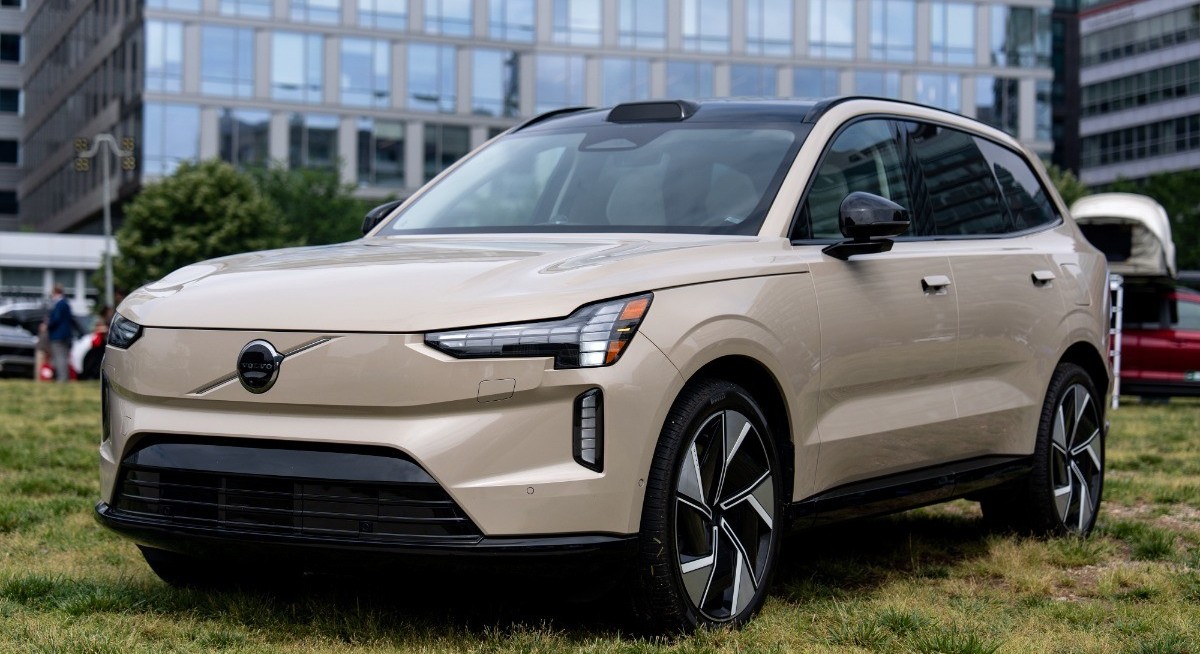


There, “weak customer sentiment was exacerbated by the ongoing geopolitical conflict in the Middle East,” the Swedish-origin company said.
Volvo’s warning underscores the growing risk for European and US manufacturers as the Iran war drives up fuel prices and shipping costs and weighs on wider economic sentiment. While high pump prices can nudge buyers towards electric vehicles, past energy crises have tended to turn consumers off from big-ticket purchases.
Volvo isn’t alone in what was a difficult start to the year for automakers in the US. Sales of BMW AG passenger cars there fell 17% in the first quarter. The German luxury-car maker wasn’t specific about reasons for the drop. General Motors Co and Honda Motor Co also reported sliding deliveries in the world’s second-biggest car market.
Volvo is trying to recover from a tough end to 2025. Tariffs, heavy discounting and a stronger Swedish krona weighed on its fourth-quarter profitability. The manufacturer owned by China’s Geely is currently in talks with US authorities over data protection and expects to win approval for continued sales in the market within the next few months.
See also: European banks could cut 20% of jobs on AI, Morgan Stanley says
Uploaded by Evelyn Chan




