




“We are just going to get that crude moving again and sell it,” Wright said. “We are going to market the crude coming out of Venezuela — first this backed-up stored oil and then indefinitely going forward we will sell the production that comes out of Venezuela.”
The plan comes as the Trump administration is pushing for US energy companies to rebuild Venezuela’s decaying oil infrastructure and revive its flagging production. The US is also selectively rolling back sanctions on Venezuela’s oil sector as part of the effort, the Energy Department said.
President Donald Trump said on Tuesday evening that Venezuela would relinquish as much as 50 million barrels of its oil for the US to sell, valued at about US$2.8 billion ($3.6 billion) at current market prices.
The US has already begun marketing Venezuelan crude, White House Press Secretary Karoline Leavitt said during a briefing on Wednesday.
See also: Indian imports of Russian oil seen halving on US order
Revenue from the sales will be held in US Treasury accounts, a move that would protect the proceeds from Venezuela’s creditors, a person familiar with the matter said. The funds will benefit the American and Venezuelan people, Leavitt said.
“We are not stealing anyone’s oil,” Wright said during an interview with CNBC. “We are going to restart the selling of Venezuelan oil on global crude markets, put it in accounts in the name of Venezuela and bring those funds back into Venezuela for the benefit of the Venezuelan people.”

See also: New Zealand shortlists proposals to build first LNG import plant
Proceeds from Venezuela oil sales will not initially be used to repay Exxon Mobil Corp, ConocoPhillips and other US companies whose assets were nationalised by Maduro’s predecessor, Hugo Chávez, in the mid-2000s, Wright said. He added that those companies will need to be compensated but characterised it as a “long term issue”.
Venezuela’s state oil company, Petroleos de Venezuela SA, said in a statement that it’s in negotiations with Washington over crude sales through a framework that would be similar to its arrangement with Chevron Corp, the only US oil major still operating in the country.
Earlier, US forces seized two more sanctioned oil tankers, including one flying a Russian flag, as the Trump administration pushes to control all exports of Venezuelan crude. One was seized in the Atlantic Ocean south of Iceland, and the other was apprehended in the Caribbean region.
Trump is pushing for US oil companies such as Chevron, ConocoPhillips and Exxon to rebuild Venezuela’s infrastructure and revive production now that the US has removed former President Nicolás Maduro. The administration has already had conversations with multiple oil companies, according to an official. The president is set to meet with energy executives on Friday, Leavitt said.
“It’s just a meeting to discuss, obviously, the immense opportunity that is before these oil companies right now,” she said.
Secretary of State Marco Rubio also may attend the sit-down that’s being planned, according to people familiar with the matter.
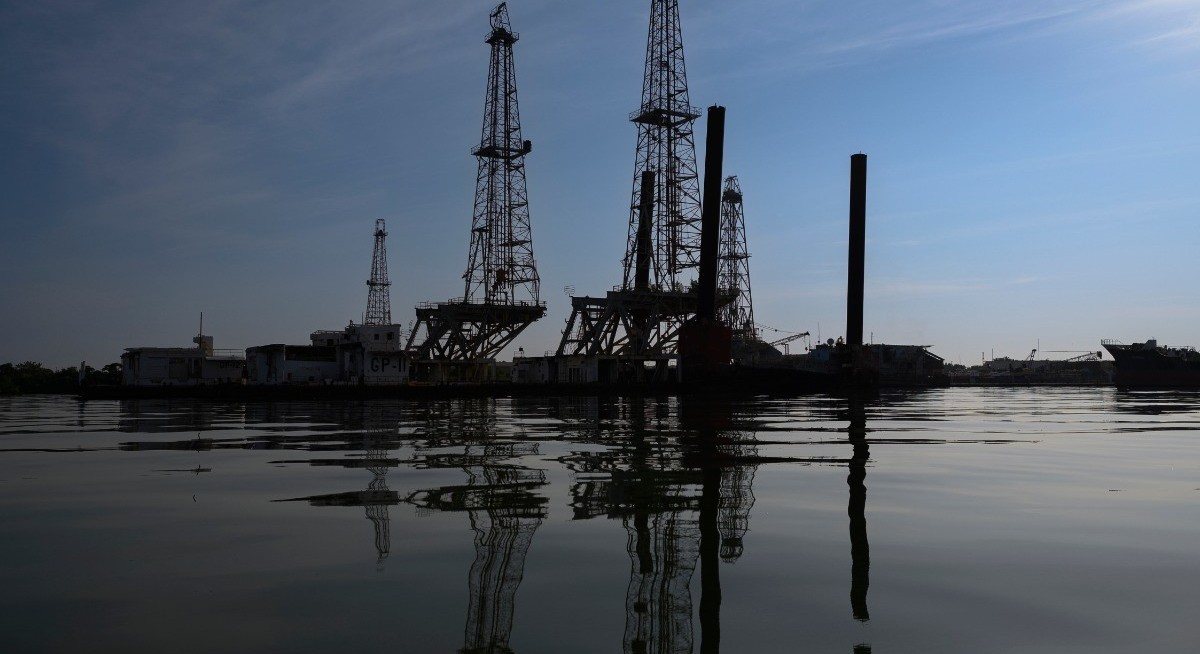
Venezuela’s oil sector has suffered from years of corruption, underinvestment and neglect, and its production is less than one million barrels a day. Wright estimated that output could be increased by several hundred thousand barrels a day in the short to medium term.
To stay ahead of Singapore and the region’s corporate and economic trends, click here for Latest Section
Restoring the industry to its former glories would be a huge undertaking, costing an estimated US$10 billion per year over the next decade, according to estimates from Francisco Monaldi, a director of Latin American energy policy at Rice University’s Baker Institute for Public Policy.
US oil companies have so far said little publicly about their willingness to take on such an endeavour.
Venezuela sits atop some of the world’s largest crude reserves, but companies will want to ensure there’s a stable government in place before making any long-term investments. They will also want some degree of confidence Washington will support their presence in Venezuela even after Trump is no longer in office.
Global oil futures slipped 1.5% on Wednesday, trading at around US$60 a barrel.
Uploaded by Tham Yek Lee




