


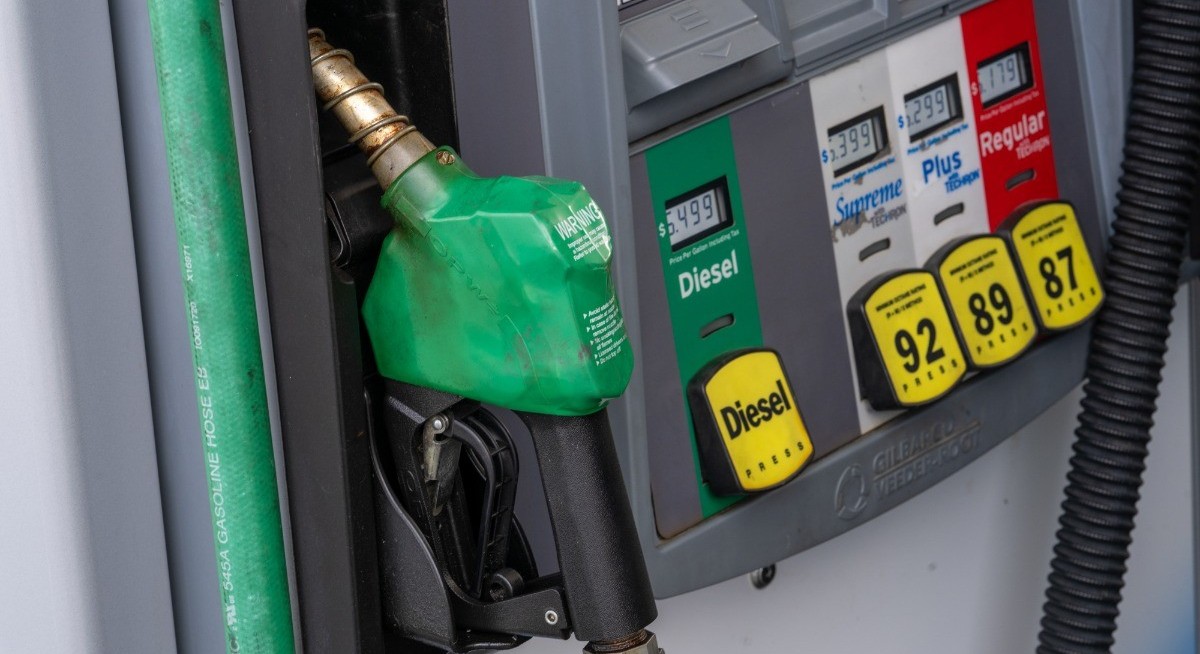


(March 17): US diesel rose above US$5 a gallon for the first time since December 2022, the latest sign of surging fuel price pressures menacing the global economy as the war in Iran continues to disrupt energy supplies.
The nationwide average retail price reached US$5.044 a gallon on Monday, according to the American Automobile Association, up by more than a third since the conflict began.
The surge in prices comes as the Strait of Hormuz — through which about a fifth of the world’s oil usually transits each day — remains largely closed to traffic. Crude oil prices have topped US$100 a barrel but the rally has been even more acute in markets for products that consumers actually use like gasoline, diesel and jet fuel.
Diesel is the lifeblood of the global economy. Across the world, it powers the freight, agriculture and construction industries. Any spike at the retail level will ripple through the broader economy. Prices have surged faster than most other petroleum-based products because Persian Gulf refineries are major suppliers, exposing consumers in the US, Asia and Europe.
“We are not seeing operational disruption at this stage but the economic impact is direct,” said Pavel Kveten, CEO at Girteka Logistics, one of Europe’s largest trucking companies, when asked about the impact of higher diesel prices.
The company adjusts its pricing weekly based on oil prices and “this means higher fuel costs can be reflected in transport rates within days rather than months.”
See also: UAE gas field hit, key oil hub halts as energy attacks intensify
In Europe and Asia, jet fuel has soared above US$200 a barrel and fuel oil — usually a product that trades lower than crude futures but one that keeps shipping moving — is now close to US$140 a barrel. Countries are adopting increasing levels of protectionism in order to keep fuel at home and shield consumers from the higher costs.
In some US states, diesel prices had already surpassed the US$5 mark. Prices for residential heating oil, which is effectively interchangeable with diesel, have also climbed above US$5 according to the US Energy Information Administration. For US President Donald Trump, a prolonged surge in fuel prices could weigh on midterm election prospects later this year.
South Korea’s industry minister said on Tuesday that his country will set a cap on the volume of oil product exports by its oil refiners. Last week China’s refiners began cancelling agreed export cargoes for gasoline and diesel.
Uploaded by Arion Yeow




