


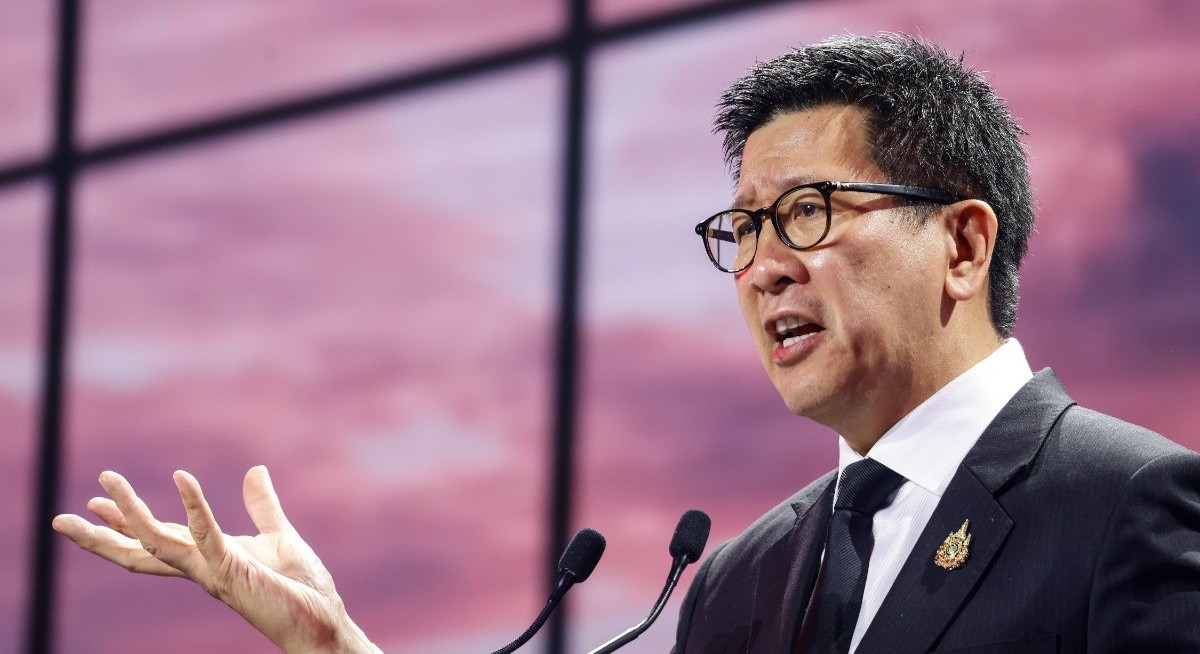


(April 10): Thailand expects oil prices to remain elevated for up to two years due to the Middle East conflict, its finance minister said, signalling prolonged pressure on a net energy importer already grappling with rising costs and slowing growth.
Energy infrastructure in the Middle East has been so severely disrupted that oil and gas supply may take one to two years to stabilise, Finance Minister Ekniti Nitithanprapas told lawmakers Thursday during a parliamentary debate following the government’s policy statement.
“Low oil prices are a thing of the past, at least for the next one to two years,” he said.
The government plans to accelerate adoption of solar power, biofuels and other renewables to cushion households and businesses from higher energy costs, he added.
Thailand has relied heavily on diesel subsidies to shield households and industry. The state oil fund is spending about 1.24 billion baht (US$38.5 million or $49 million) a day, pushing its deficit to more than 57.7 billion baht, according to officials.
Ekniti described the fund as the government’s first line of defence, rejecting calls from opposition lawmakers to cut fuel excise taxes and arguing the impact would be similar while reducing revenue needed for public services.
See also: Oil extends gain after attacks lower Saudi production capacity
Further support measures are under consideration. The cabinet is set to review additional aid for the transport sector, as well as vulnerable groups such as farmers and fishermen, while preparing contingency funding if the conflict drags on.
Prime Minister Anutin Charnvirakul has also pledged broader relief, including restructuring energy prices, redirecting government spending, and rolling out cash handouts and concessional loans.
The energy shock is already weighing on the outlook. Economists have begun trimming Thailand’s growth forecasts, as higher fuel costs hit consumption and disrupt exports and tourism — two key drivers of the economy.
Uploaded by Chng Shear Lane




