


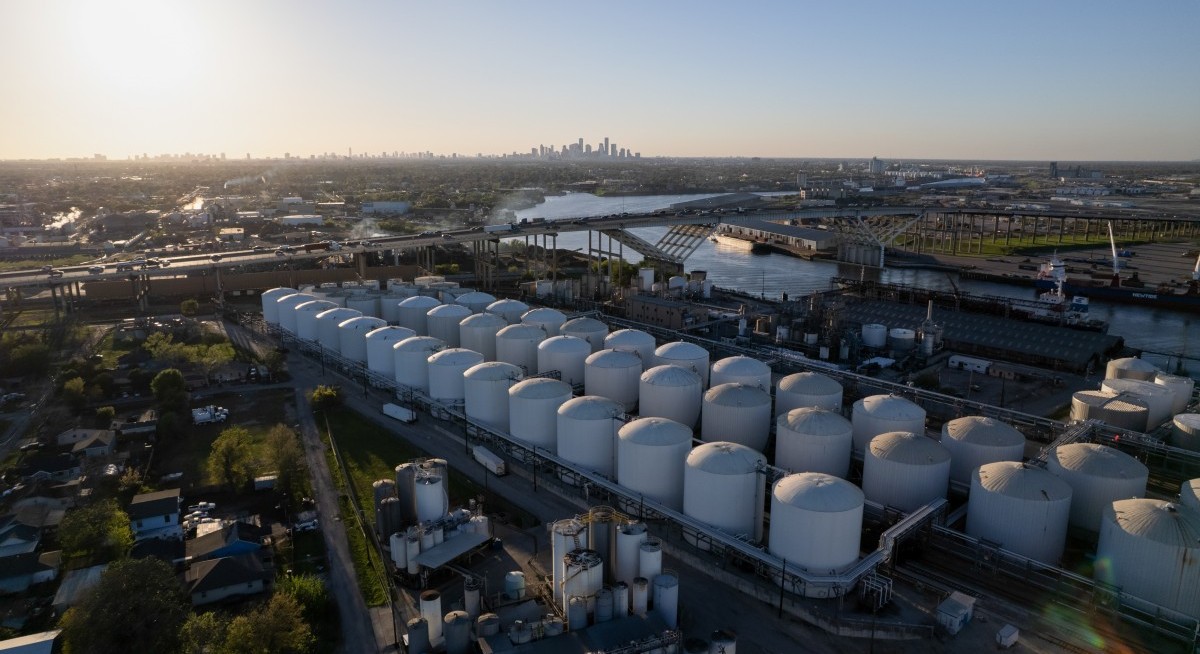


(March 16): Oil surged as much as 3.3% after US attacks on Iran’s main export hub marked another escalation in the war, threatening crucial energy supplies from the region to global consumers.
Brent traded around US$105 a barrel after adding more than 40% in the past two weeks, while West Texas Intermediate was near US$101. The Islamic Republic has carried out retaliatory attacks on Israel and Arab states in the Persian Gulf, after the US struck military sites on Kharg Island, which handles the bulk of Iran’s oil shipments.
The bombing of Kharg Island further increased the scope of the conflict, which the International Energy Agency last week said has already caused the largest supply disruption in the history of the global oil market. Traffic through the Strait of Hormuz — the vital maritime thoroughfare linking the Persian Gulf to international markets — has remained at a near-standstill since fighting began.
Iran’s Fars News Agency reported that exports from Kharg Island were continuing as normal. Meanwhile, the army said some specified areas in Doha and Dubai hosting US forces may be attacked in the coming hours, Fars said early on Monday.
A top aide to President Donald Trump said the Pentagon estimates the Iran war, now in its third week, would take between four and six weeks. Kevin Hassett, head of the White House’s National Economic Council, offered the timeline along with a caveat that the ultimate decision on when the war will conclude lay with the president.
Over the weekend, Trump dangled the possibility of negotiations to end the conflict, although Iranian Foreign Minister Abbas Araghchi said the Islamic Republic hasn’t asked for talks or a ceasefire.
See also: Oil falls after Iraq signs pipeline export deal with Kurdistan
Trump also intensified calls for the Strait of Hormuz to reopen, calling on allies to send warships to help. The administration plans to announce that multiple nations have agreed to form a coalition to escort vessels through the waterway, although they are still discussing if the operations would start before or after hostilities end, the Wall Street Journal reported.
In the United Arab Emirates, loading operations at the key hub of Fujairah were interrupted after a drone strike in the early hours of Saturday, choking off shipments from the country’s only export route while the strait is blocked. Activities there resumed on Sunday.
In a sign of how the war is squeezing global crude supply, the IEA said Sunday that oil from an unprecedented stockpile release will be made available immediately in Asia. The agency’s statement came after it received implementation plans for the record 400-million-barrel reserve release announced last week.
Uploaded by Isabelle Francis




