


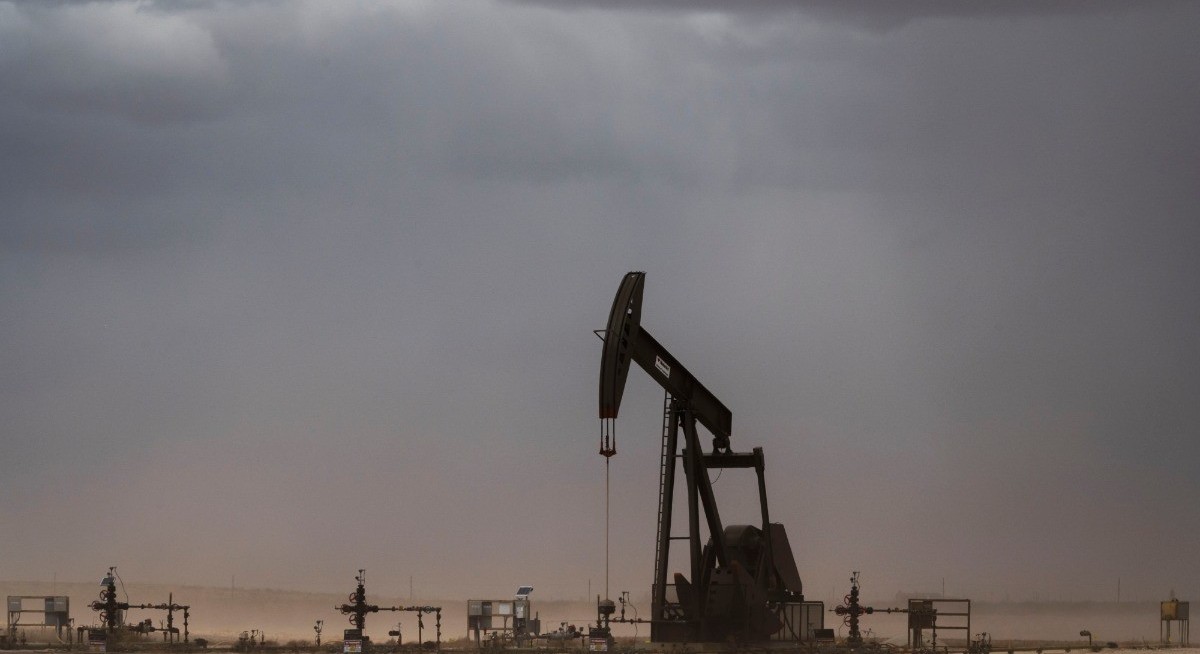


(April 21): Oil dipped on Tuesday on signs that Iran will attend talks with the US to end a war that has upended energy markets, as a ceasefire is set to end.
Brent traded near US$95 ($120.85) a barrel after gaining 5.6% on Monday. Iran was said to be sending a team to in Pakistan for the negotiations, although it wasn’t clear who or when they would arrive. Iran’s state broadcaster denied reports that the delegation had departed for or arrived in Islamabad.
US Vice President JD Vance is expected to resume negotiations in person, “either Tuesday night or Wednesday morning”, Donald Trump said in a phone interview on Monday. The US president said it’s “highly unlikely” that he’d extend the truce, which expires on “Wednesday evening Washington time”.
Oil prices have been buffeted in recent days by rapidly shifting perceptions of the negotiations’ status and whether ships can navigate the Strait of Hormuz — through which about a fifth of the world’s oil normally transits. The stand-off over Hormuz threatens to deepen the global energy crisis and is just one of the unresolved issues between Iran and the US, which also include the Islamic Republic’s nuclear capabilities and Israel’s invasion of Lebanon.
“Either we move towards some form of de-escalation or this drags into a more prolonged disruption, especially around energy supply,” said Dilin Wu, a research strategist at Pepperstone Group. “The market will be super sensitive to any headline updates in the next 24 hours.”
There have been conflicting statements from Trump about the timing and viability of peace talks. Oil extended gains on Monday after he said that the US would continue its blockade of Iran-linked ships until an agreement is finalised.
See also: Oil prices don’t reflect scale of supply hit, analysts say
Meanwhile, Hormuz flows remain at a virtual standstill, with three vessels attempting to transit early on Tuesday. The crisis flared again over the weekend after the US Navy seized an Iranian vessel, while the Islamic Republic’s forces fired at ships and reimposed controls across the strait.
Oil prices don’t fully reflect the market’s largest supply disruption ever since the war effectively closed the waterway, some of the market’s top analysts said on Tuesday at the FT Commodities Global Summit in Lausanne, Switzerland.
So far, the conflict has caused the loss of a billion barrels of supply, an amount that could grow to 1.5 billion barrels if it continues, Trafigura Group’s chief economist Saad Rahim said at the event. Frederic Lasserre, the head of analysis at trader Gunvor Group, said if the war persists for another month, oil markets will hit tank bottoms — a phrase that means markets run out of stockpiles.
See also: Asia’s largest oil buyers are running low on Hormuz alternatives
It’s possible that oil flows through Hormuz will never return to pre-war levels, Amrita Sen, a co-founder and director of research at Energy Aspects, said on the same panel. The consultant expects about 450 million barrels of clean products, like gasoline, to be lost to the war, she added. That forecast assumes a 50% reopening of Hormuz next month.
On Monday, Chinese President Xi Jinping called for an immediate ceasefire and the restoration of normal transit through the waterway, according to a Foreign Ministry read-out of a phone call with Saudi Crown Prince Mohammed bin Salman.
Oil prices could rise to US$110 a barrel if traffic in the waterway remains disrupted for another month, according to Citigroup Inc. Global energy markets may be volatile for two years because of the war, according to International Energy Agency executive director Fatih Birol.
| Prices: |
|---|
|
Uploaded by Tham Yek Lee




