


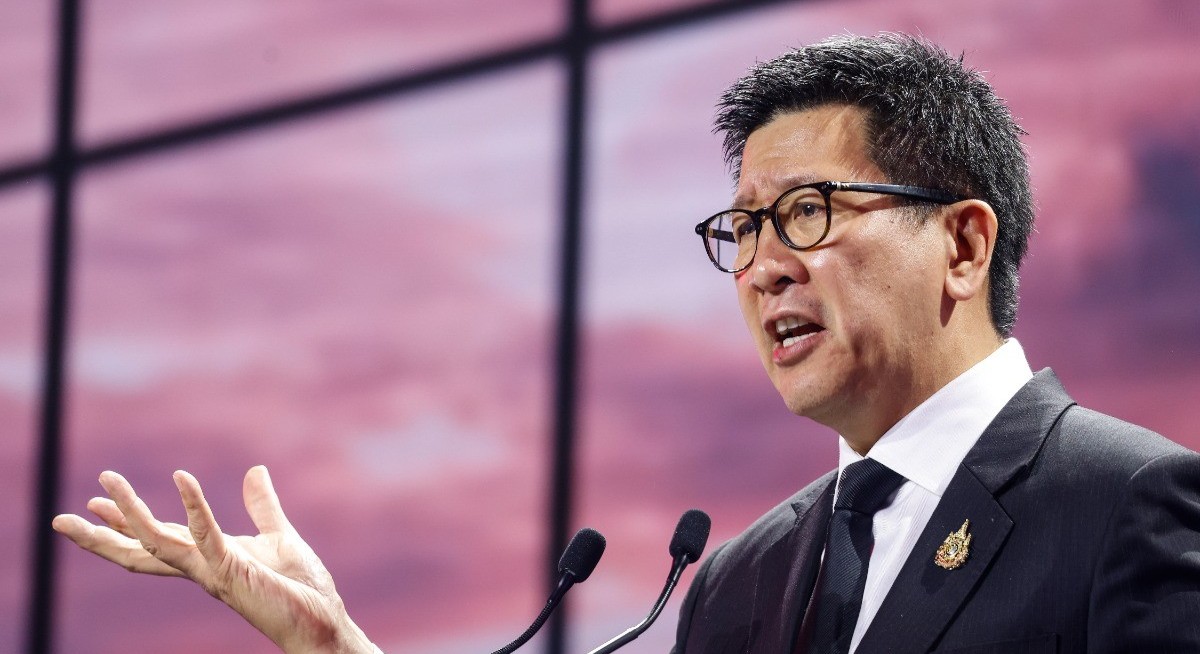


(April 10): Thailand expects oil prices to remain elevated for up to two years due to the Middle East conflict, its finance minister said, signalling prolonged pressure on a net energy importer already grappling with rising costs and slowing growth.
Energy infrastructure in the Middle East has been so severely disrupted that oil and gas supply may take one to two years to stabilise, Finance Minister Ekniti Nitithanprapas told lawmakers on Thursday during a parliamentary debate following the government’s policy statement.
“Low oil prices are a thing of the past, at least for the next one to two years,” he said.
The energy shock is already weighing on Thailand’s growth outlook, and the central bank on Thursday pledged to keep its interest rate at the current level as long as possible to support the economy. Economists have begun trimming the nation’s growth forecasts, as higher fuel costs hit consumption and disrupt exports and tourism — two key drivers of the economy.
Prime Minister Anutin Charnvirakul’s new administration plans to accelerate the adoption of solar power, biofuels and other renewables to cushion households and businesses from higher energy costs, Ekniti said.
Thailand has relied heavily on diesel subsidies to shield households and industry. The state oil fund is spending about 1.24 billion baht (US$38.5 million) a day, pushing its deficit to more than 57.7 billion baht, according to officials.
See also: India splurges on Russian oil as threat of sanctions fade
Ekniti described the fund as the government’s first line of defence, rejecting calls from opposition lawmakers to cut fuel excise taxes and arguing the impact would be similar while reducing revenue needed for public services.
Further support measures are under consideration. The cabinet is set to review additional aid for the transport sector, as well as vulnerable groups such as farmers and fishermen, while preparing contingency funding if the conflict drags on.
The finance ministry is also planning to propose 30 billion baht worth of relief including cash support for low-income earners, low-interest loans for solar panels, and procurement of fertilisers, Ekniti told reporters at a briefing on Friday. The government is also considering a car trade-in programme to accelerate the adoption of electric or hybrid vehicles, he added.
See also: Thai finance chief sees oil prices elevated for two years
The government is aiming to boost gross domestic product above 3% this year, while monitoring risks of stagflation at a time of limited fiscal ammunition, Ekniti said.
Uploaded by Evelyn Chan




