


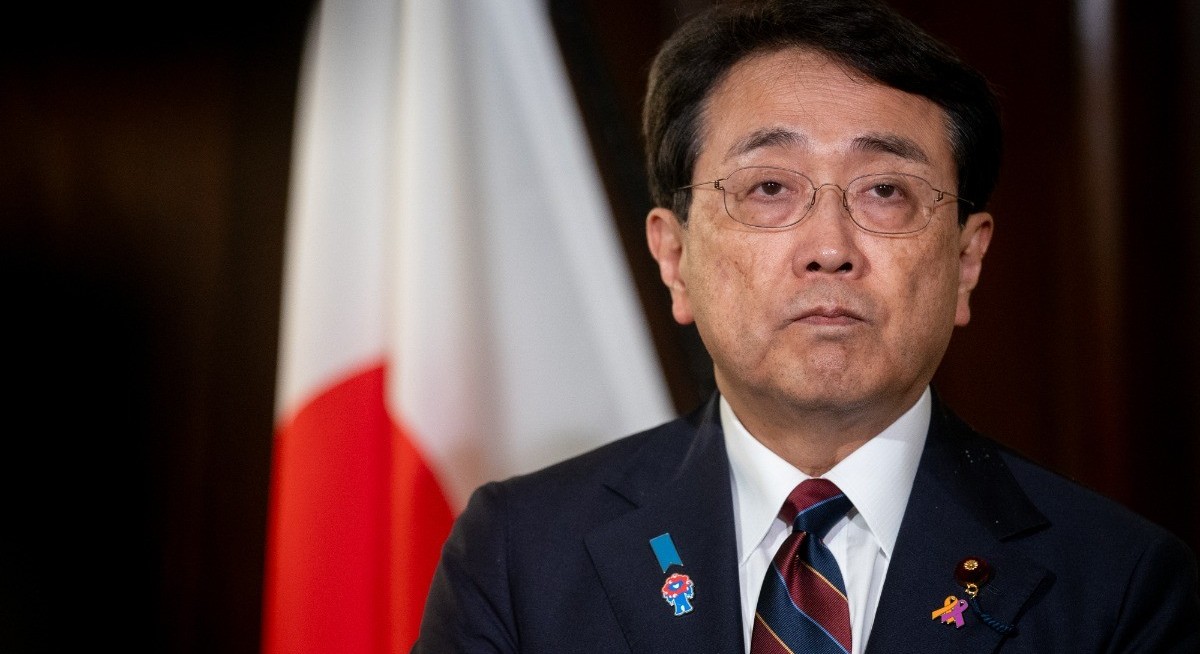


(March 27): Japan’s trade minister said the country will sell oil from its reserves to domestic refiners as a general rule, signaling that the government isn’t currently planning to channel national supplies directly to other Asian nations seeking assistance.
“Regarding the sale of strategic petroleum reserves, we are certainly targeting domestic oil and refining companies,” Trade Minister Ryosei Akazawa said on Friday, pointing out that they were legally established to secure Japan’s own energy supplies. “However, the situation may differ somewhat for joint reserves with oil-producing countries. We intend to closely monitor developments and make appropriate decisions on a case-by-case basis.”
Japan began releasing its oil stockpiles this month to ease a supply crunch as the Strait of Hormuz remains effectively blocked, disrupting a key route for the nation’s crude imports. In talks with International Energy Agency chief Fatih Birol earlier this week, Japanese Prime Minister Sanae Takaichi also discussed the possibility of an additional coordinated release of oil reserves should it become necessary.
Other Asian countries are facing similar oil supply challenges. The Philippines and Vietnam have reportedly sought support from Japan, which holds some of the world’s largest oil reserves. In addition to its own reserves, Japan also has reserves held with oil producing nations like Saudi Arabia, the United Arab Emirates and Kuwait.
Akazawa said he is well aware of the Philippines’ dire situation, noting that its reserves are far smaller than Japan’s while it relies heavily on the strait to secure oil, as Japan does.
“There is no doubt that Asia is facing an extremely difficult situation,” Akazawa said. “The oil market is global, and maintaining supply-demand balance in the Asian market is crucial not only for ensuring a stable energy supply in our country, but also for maintaining and strengthening Japan’s industrial supply chains.”
See also: Oil steadies as Trump delays timeline for Iran energy strikes
Joint reserves held with oil producing nations make up the smallest of three stockpiles that Japan has for its strategic reserves. In January, Japan held eight days’ worth of oil in the joint reserves, compared with 144 days’ worth in its national stockpile and 99 days’ worth in reserves held by the private sector.
At home, Japan is using subsidies to keep retail gasoline prices around JPY170 ($1.37) per litre to ease the burden on households. The resource-poor nation is also scrambling to secure alternative sources of oil.
Inpex Corp, backed by the Japanese government, plans to prioritise supplying crude from Central Asian oil fields in which it holds stakes to Japanese buyers, local media reported. Akazawa declined to comment on the reports but added that it is natural for private Japanese firms to focus on Central Asia, given Japan had imported from Kazakhstan and Azerbaijan.
See also: Brace for US$200 oil if war lasts till June, Macquarie warns
Following a summit with US President Donald Trump on March 19, Takaichi said she aims to help expand energy production and increase crude imports from the US, including the potential creation of a US oil stockpile in Japan.
Uploaded by Tham Yek Lee




