


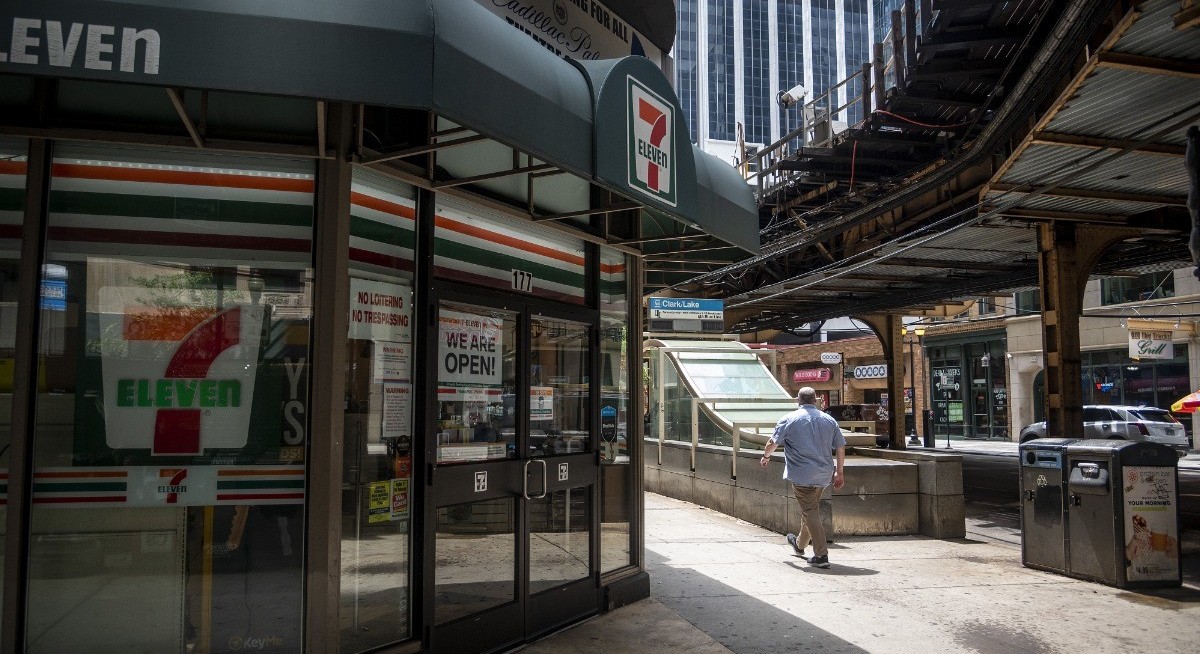


Seven & i, which brought 7-Eleven to Japan, refined the convenience-store concept and eventually took over the entire franchise, is going through a broad restructuring that includes a partial sale of the US unit and changes at the top. The revamp was spurred on, in part, by Alimentation Couche-Tard Inc’s JPY6.77 trillion (US$43 billion or $55.50 billion) takeover proposal that it abandoned earlier this year.
DePinto’s compensation was JPY7.7 billion and JPY4.35 billion in the past two fiscal years, which made him the top-paid executive at the company.
Stephen Dacus, who took over as the CEO of Tokyo-based Seven & i six months ago, said the company is pushing ahead with “transformational leadership, capital, and business initiatives to enhance our performance”.
“We strive to find, through a thorough selection process, the right person who can lead 7-Eleven Inc and help us work even more closely together as one group,” Dacus said in the statement, referring to the US unit by its corporate name.
See also: Sanofi replaces CEO after R&D setbacks
Over the past decade, 7-Eleven’s North American footprint expanded through the US$3.1 billion acquisition of Sunoco LP gasoline stations in 2018 and the US$21 billion purchase of Speedway outlets from Marathon Petroleum Corp in 2021.
Dacus has said that the retailer is at a “turning point” and he plans add more than 2,000 new stores to fuel growth. At the same time, the business faces headwinds from inflation biting into consumer spending in Japan and the US and rising costs.
In October, Seven & i downgraded its operating profit forecast for the fiscal year that ends in February to JPY404 billion on revenue of JPY10.6 trillion. The stock is down 11% this year, while the benchmark Topix index has climbed 21%.
Uploaded by Tham Yek Lee




