


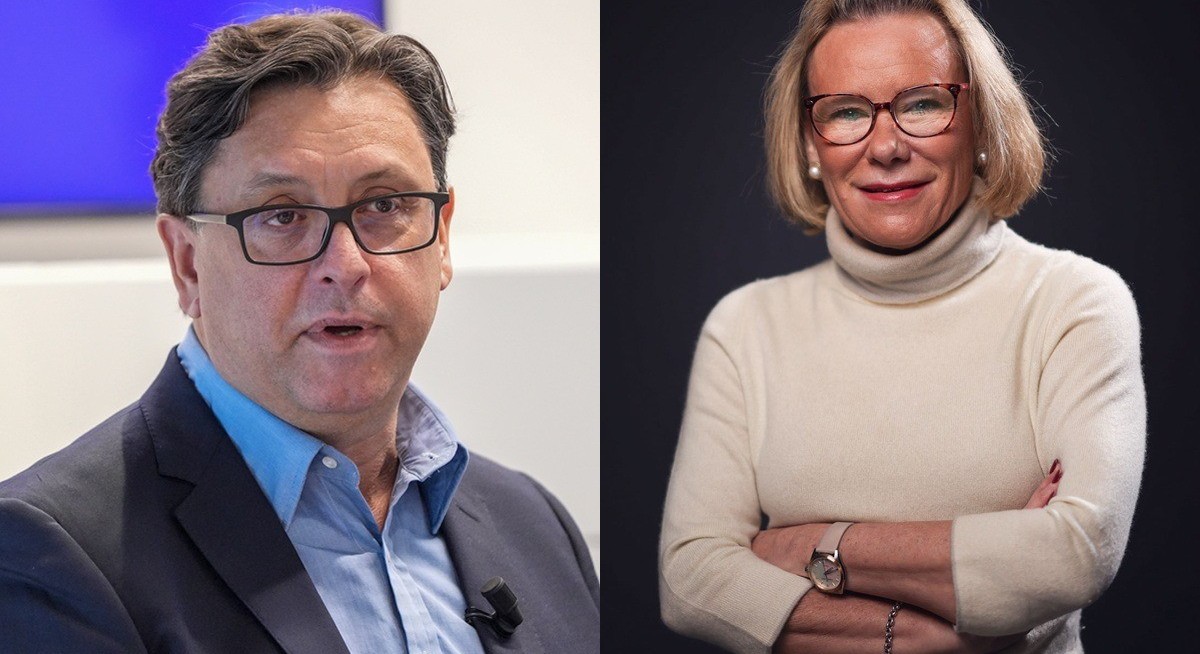


“Investors remain frustrated with the repeated R&D (research and development) failures,” said Abhishek Raval, an analyst at AlphaValue.
Sanofi shares fell as much as 1.2% in early Paris trading on Thursday. The stock has declined 21% over the past 12 months.
Garijo’s term at Merck was ending soon and the Spanish executive knows Sanofi well, having spent 15 years there. She will “bring an increased rigor to the implementation of Sanofi’s strategy”, the drugmaker said in a statement. Her priority will be to strengthen the productivity, governance, and innovation capacity of R&D, it added.
Hudson set out an ambitious plan meant to turbo-charge new drugs to market in 2023. That strategy has not yet delivered results. In 2024 an experimental multiple sclerosis drug tolebrutinib failed a late-stage trial in a form of multiple sclerosis, and US regulators rejected it in another indication. Another experimental medicine for atopic dermatitis called amlitelimab — which investors had hoped could succeed Dupixent — has seen mixed results in trials.
See also: Leadership row erupts at Philippine conglomerate over ABS-CBN capital infusion
“If you’d have asked me back in 2020, will it take between five and seven years for Sanofi? I’d say absolutely not. We will go faster, we are smarter, we are stronger,” Hudson said in late January as he presented earnings results. “It was not to be the case.”
Sanofi sold its controlling stake in the drugmaker’s consumer-health unit last year, meaning it’s now entirely reliant on innovative prescription medicines.
“Hudson significantly altered the company’s culture, often viewed as too rooted in its French origins, improved its global standing and set out a competitive earnings-growth profile though 2030,” said Bloomberg Intelligence analysts John Murphy and Mila Bankovskaia. “Sanofi’s earnings multiple nevertheless trailed peers and its shares underperformed though 2025 as he failed to deliver on his key targets to transform historically poor R&D productivity and find a replacement for lead drug Dupixent.”
See also: Driving accountability in the boardroom and beyond
There could be further management changes at Sanofi, Jefferies analyst Michael Leuchten wrote in a note. “Merck did manage to hire credible R&D operators from places like AstraZeneca,” he said. “And the way we know Garijo, once a strategy is set, she goes after it pretty relentlessly.”
At Sanofi, Garijo served as the senior vice-president of global operations in Europe, where she led the integration of Genzyme after its acquisition. She took charge of German drug-to-semiconductor group Merck and clinched deals to help make pandemic vaccine ingredients. Her target of reaching EUR25 billion (US$29.7 billion or $37.5 billion) revenue by 2025 was cut short by a prolonged post-Covid slowdown, which she tried to counter with a stricter cost focus and acquisitions.
Hudson’s final day in the role will be Feb 17.
Uploaded by Tham Yek Lee




