


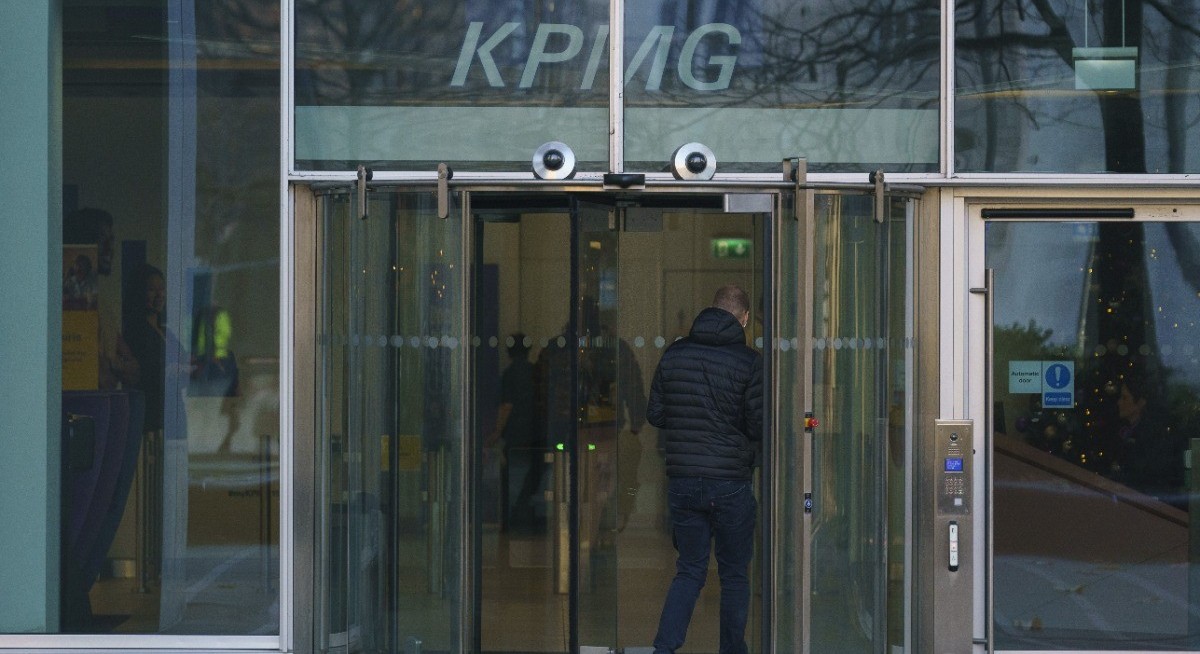


(June 23): KPMG Australia said chair Martin Sheppard and two other audit partners will leave as part of a broad restructuring, following whistle-blower allegations the firm used confidential client information to help win business.
Sheppard will depart shortly and retire from his regional board responsibilities, the firm said in a statement on Tuesday. Audit partners Paul Rogers and Eileen Hoggett will also leave the firm, it added.
Efforts to appoint a new chief executive officer were progressing, KPMG said, which would “refresh the executive team and ensure the firm has strong, ethical leadership for the future”.
The senior departures mark a widening list of casualties from the scandal that emerged in March when allegations were first unveiled under parliamentary privilege. That included KPMG staff inappropriately using Lendlease board documents to support bids for business from Dexus, a property company, and Westpac Banking Corp.
The latest senior exits follow from former CEO Andrew Yates and the firm’s national managing partner for audit and assurance, Julian McPherson, who stepped down from the firm amid the broadening controversy. Australia’s corporate watchdog has opened an investigation into the claims, while KPMG Australia has agreed to not bid for new federal government work for three months.
Last Friday, Australian lawmakers grilled senior current and former KPMG staff during a parliamentary hearing, heightening calls for tighter regulatory and legal guardrails for the audit and consulting industry. The sector had been hit three years ago by revelations that PwC leaked confidential government information to corporate clients, eventually leading to the firm’s embattled public consulting business being jettisoned for a dollar.
See also: Netflix picks investor Jay Hoag as chairman after Hastings
Barbara Pocock, a senator for the Australian Greens party, called for audit and consulting businesses to be separated and for companies within the sector to fall under the purview of the Corporations Act.
“The Labor government needs to close the loopholes that allow the Big Four to behave like marauding cowboys and to operate in unregulatory gaps,” Pocock said in response to the KPMG statement. “They must be taxed and face the same transparency obligations as other big firms.” She said the KPMG resignations are “absolutely necessary” but more needs to be done to “fix the rot” throughout the firm and the regulatory failures in the industry.
Some surprises that emerged during the hearing included a partner from a law firm KPMG said was tasked with reviewing the whistle-blower allegations saying that wasn’t the scope of the work, casting doubt on the audit firm’s handling of the claims. Lawmakers also questioned former KPMG executives about whether the whistle-blower was pressured to sign a deed of separation from the firm under the threat of dismissal, which they denied.
See also: KPMG Australia fallout widens as RBA and pension giant reassess
KPMG Australia said on Tuesday it would pursue “a major governance restructure” and an action plan focused on governance, culture and ethics, as well as controls. This included the appointment of its first independent chair, and additional independent directors, together with hiring a third-party to undertake an immediate review into the whistle-blower matter.
The firm, which employs about 9,000 people including close to 700 partners, reported revenue of more than A$2 billion (US$1.4 billion or $1.8 billion) in the financial year ended June 30 last year.
“We did not meet the standards expected of us,” Stan Stavros, the interim CEO for KPMG Australia, said in the statement. He noted “unethical behaviour by senior personnel and the human impact of KPMG’s handling of the whistle-blower” as among the shortcomings raised during last Friday’s hearing. “KPMG Australia is focused on ensuring those failings are understood, addressed and not repeated.”
Uploaded by Tham Yek Lee




