


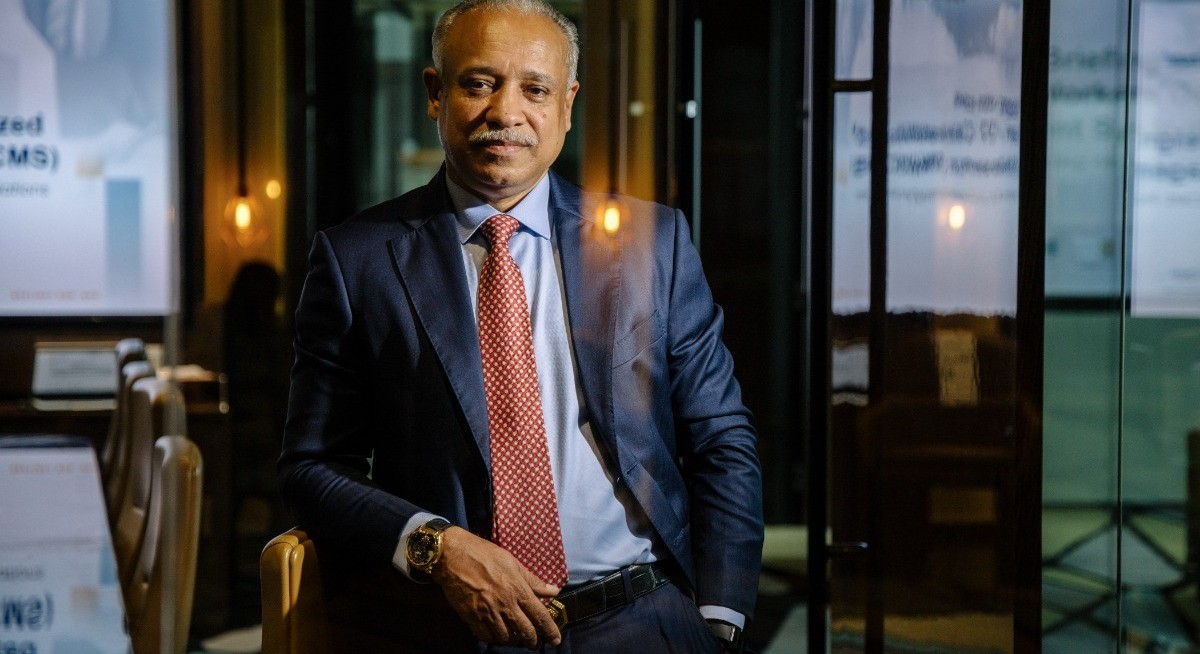


(April 16): Malaysia is planning to adopt a new foreign worker recruitment system developed by Bestinet Sdn Bhd, the company founded by labour tycoon Datuk Seri Aminul Islam Abdul Nor, according to six people familiar with the matter.
The software is being marketed as allowing companies to hire workers directly, rather than using middlemen some of whom charge them excessive fees, the people said, asking not to be identified because the information is private. Called The Universal Recruitment Advanced Platform, or Turap, it will have a digital portal where employers can sign up and find employees, the people said.
Human Resources Minister Datuk Seri Ramanan Ramakrishnan mentioned the new system in an interview with The Star newspaper in early February but didn’t say Bestinet would be operating it.
Bloomberg News published an investigation in January into endemic corruption in Malaysia’s recruitment of migrant workers from Bangladesh. The article mentioned the roles played in the recruitment process by Aminul, who’s better known as Amin, and Bestinet.
Lui & Bhullar, a law firm representing Amin, said he declined to comment. Amin has denied that he’s contributed to migrant workers being charged high recruitment fees and said he has devoted his life to helping them.
Representatives for Ramanan, the Prime Minister’s Office and Bestinet didn’t respond to requests for comment.
See also: Ringgit set to test new high for 2026, strategists say
The Human Resources Ministry sees no issues with the country adopting a new foreign worker recruitment system developed by Bestinet, the New Straits Times reported on Thursday. “We are still in discussion,” Ramanan said, according to the paper. “After that, I will table a paper to the Cabinet. At the moment, I see no issues with adopting Bestinet as the system developer.”
In a separate article by state news agency Bernama, Ramanan said Bloomberg’s report was “irresponsible and unethical” and contained details that weren’t known even to him. “It is shocking to me that they seem to know more about the proposed system than I do,” he said.
Bestinet already operates a software system called the Foreign Workers Centralised Management System, or FWCMS, which Malaysia uses to manage parts of its recruitment, especially from Bangladesh. That system consists of various modules, such as worker health checks and insurance, and also involves recruitment agents.
See also: Malaysia’s biggest solar firm Solarvest sees jump in demand on Iran war
In an interview with Bloomberg in July, Amin likened the system to a highway and said he isn’t responsible for the people who use it, referring to officials who approve bogus applications or agents who overcharge workers.
In 2024, Bangladesh’s police asked Malaysia to stop using FWCMS and for Amin to be extradited, alleging he played a key role in a system that “fraudulently extorted” workers. Minister of Home Affairs Datuk Seri Saifuddin Nasution Ismail said in October that Malaysia’s police are in touch with their Bangladeshi counterparts. Amin hasn’t been extradited or charged.
Ramanan told The Star that Malaysia hopes to adopt the system by the middle of this year. The process is still at an early stage, the people familiar with the matter said, adding it needs to be agreed with the Ministry of Home Affairs and then approved by Cabinet.
Ramanan became human resources minister in a reshuffle in December. The previous minister, Steven Sim, had questioned the proposal, because of concerns including handing more power to Amin and Bestinet, three of the people said.
Representatives for Sim also didn’t respond to questions about the matter.
Several current or former government officials have expressed reservations about using Bestinet’s system, three of the people said. They’re also reluctant to give Amin a lucrative contract and even more influence over Malaysia’s recruitment of foreign workers, they added.
Under Amin’s proposal, Bestinet would receive a 12-year contract allowing it to charge companies US$1,000 per foreign-worker application, plus a per-worker fee of one month’s salary, three of the people said. Malaysia had 2.1 million registered low-skilled foreign workers as of August, government data show. The details are still being discussed and may change, the people said.
To stay ahead of Singapore and the region’s corporate and economic trends, click here for Latest Section
Three officials briefed on the matter say middlemen might continue to play a role in the countries Malaysia recruits from because it’s difficult for Malaysia to control what happens there.
Some officials also pointed out that direct recruitment might be difficult for big companies looking to bring in thousands of workers, and expressed concern that eliminating licensed recruitment agents could result in more of the recruitment business moving underground, making it harder to control.
In the interview with Bloomberg in July, Amin spoke about a new direct-recruitment system that Bestinet was developing, saying it would cut out agents and reduce recruitment costs.
He showed a presentation of the new system, which said it would make Prime Minister Datuk Seri Anwar Ibrahim a contender for the 2027 Nobel Peace Prize. Amin declined to say whether Anwar had seen it but said that “this is the proposal that we have done”.
“Our target, within 36 months from now, is the Nobel Prize,” Amin said. “This is our target. And we’ll get it.”
Uploaded by Felyx Teoh




