


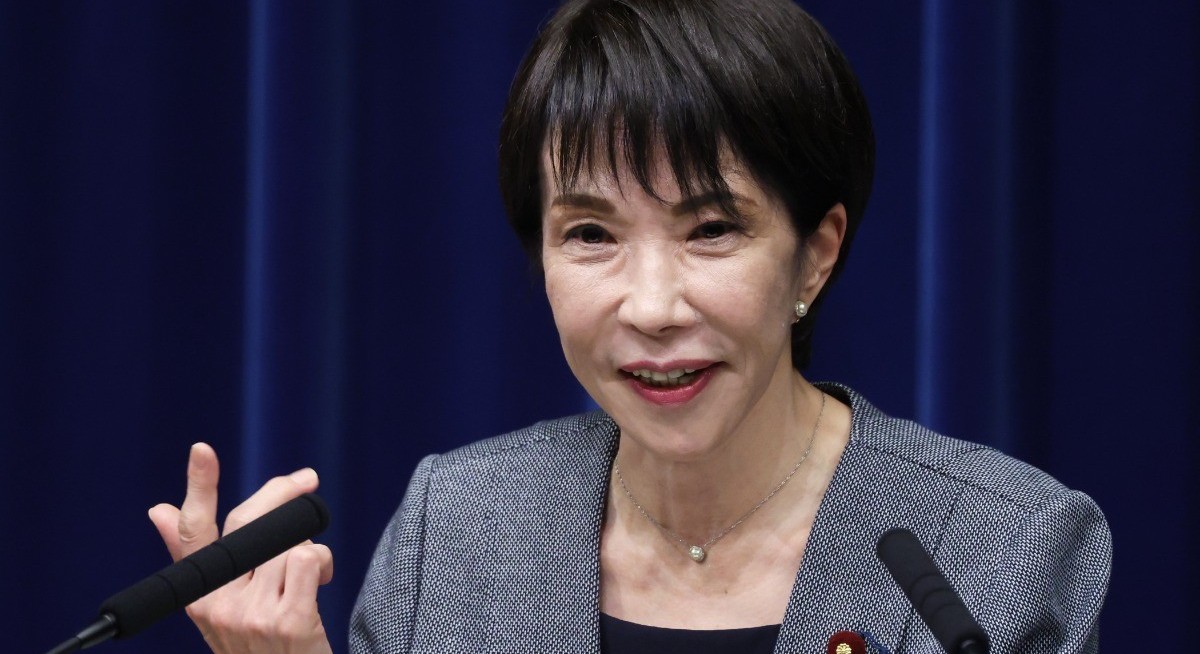


(Jan 13): Japanese Prime Minister Sanae Takaichi conveyed her intention to call a snap election to senior officials in her ruling Liberal Democratic Party (LDP), Kyodo News reported on Tuesday, a risky move aimed at solidifying support for her hawkish political stance and her pro-stimulus policies.
The report said Takaichi plans to announce a dissolution of the lower house of parliament at the start of the next parliamentary session on Jan 23. The Yomiuri newspaper reported late on Friday that Takaichi may call for a vote on Feb 8 or Feb 15, citing unidentified government officials.
A snap election would likely aim to capitalise on high approval ratings of about 70% for Takaichi since she ascended to the premiership in October and could strengthen the LDP’s grip on power in the more powerful lower house. The ruling bloc currently has a razor thin majority of 233 seats out of 465.
Market participants have already responded to the reports since Friday with the expectation that Takaichi’s expansionary policies will gain backing in any early poll. The yen weakened to its lowest level against the dollar since July 2024 earlier on Tuesday while stocks jumped and the yield on 30-year government debt hit a record high.
A snap vote also comes with risks. While new leaders calling an early election to take advantage of a support bump comes straight from the LDP’s regular playbook, a similar move spectacularly backfired for Takaichi’s predecessor Shigeru Ishiba. An election he called in autumn 2024 resulted in the loss of the ruling coalition’s majority.
For the first time in a quarter century, the LDP would also be fighting an election without a coalition ally that has a track record of turning out supporters across the nation. Former partner Komeito provided grass-roots, organisational support during elections for over two decades.
See also: Japan’s biggest nuclear plant restarts second time after hiccup
Komeito exited the coalition last October, forcing Takaichi to pivot to other parties in search of support. The LDP’s new ally, the Japan Innovation Party (JIP), has a strong presence in the area around Osaka but has proved less successful in securing votes beyond that region.
Since becoming prime minister, Takaichi has polled favourably across the board in opinion surveys, at times touching support of about 80%. Despite her personal popularity, she is helming a government with a weakened grip on power following two election losses that initially stripped the ruling coalition of its majority in both houses of parliament.
The electoral dynamics of the new coalition with the JIP have yet to be tested. Other smaller parties, including the Democratic Party for the People and Sanseito have made large gains in recent elections, muddying the outlook for any upcoming election.
See also: Japan defence stocks surge on Takaichi’s national security plans
Opinion polls suggest that Takaichi has made inroads in drawing back support from those parties. Still, voters may not welcome an early poll.
A February election would most likely delay the passage of the budget for the fiscal year starting April, risking criticism that Takaichi is putting inflation countermeasures on the back burner as she focuses on securing her grip on power.
Some senior members of the LDP, including kingmaker Taro Aso, are not completely on board with the timing, according to the Mainichi newspaper, raising questions of how much support Takaichi has within her own party.
A victory that delivers a majority for the LDP would make it easier for Takaichi to proceed with her expansionary economic policies, while raising further doubts about the nation’s finances, according to Atsushi Takeda, chief economist at Itochu Research Institute.
“Loosening the finances will naturally be a plus for the economy over the short term,” Takeda said, while flagging the risk that additional stimulus will fuel inflationary momentum and add to upward pressure on long-term yields. “If we look a little further into future, there’s the possibility that this will lead to a negative impact on the economy.”
Some economists focused more on how a favourable election result would ease Takaichi’s scope for proceeding with growth-focused policies.
“An electoral victory would strengthen the Takaichi administration’s political influence,” according to a note by Takuji Aida, chief economist at Credit Agricole. It would enable her to make a bold shift towards the economic policy direction outlined in the basic policy announced in June — moving from prioritising fiscal reconstruction to emphasising responsible but proactive fiscal policy.
“The benchmark for fiscal sustainability is expected to change from achieving a primary balance surplus to one that is compatible with expanding government growth investment,” he added.
Uploaded by Evelyn Chan




