


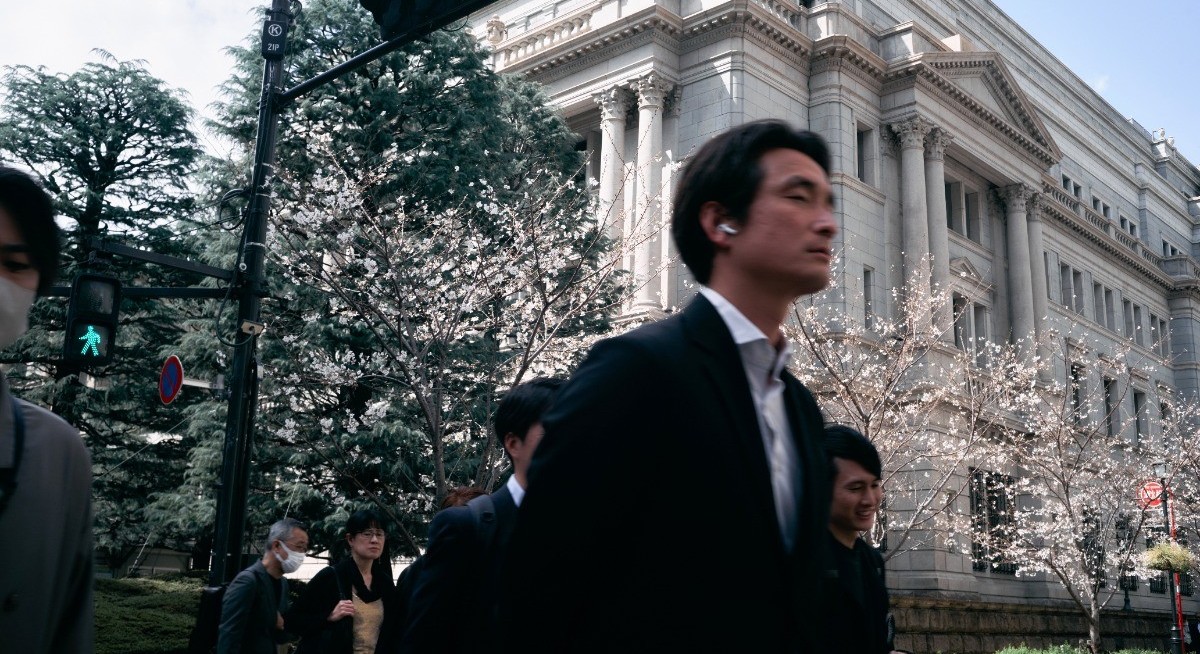


(April 14): Japan’s 20-year sovereign bond auction drew its strongest demand since 2019 as elevated yields attracted investors and the government began its planned cuts in super-long issuance in the new fiscal year.
Bonds rose after Tuesday’s sale, with yields on 20- and 30-year tenors both falling nine basis points. The bid-to-cover ratio rose to 4.82, compared with 3.25 at the previous offering and a 12-month average of 3.27, even amid uncertainty over talks about ending the Middle East conflict.
“The bonds appeared relatively cheap compared with other maturities,” said Miki Den, a senior interest-rate strategist at SMBC Nikko Securities. “A reduction in issuance of super-long JGBs starting in April also contributed significantly.”
The nation’s 20-year yield is hovering near its highest level since 1997, which it hit earlier this year. In another sign of strong demand, the tail at the auction was the smallest since 2023.

Investors are also weighing how the war will impact the Bank of Japan’s rate-hike path. In one of his last chances to send a clear policy hint before the BOJ’s policy decision on April 28, Governor Kazuo Ueda kept his policy options open on Monday and cooled expectations of a rate increase.
See also: Toyota issues lower outlook on Iran conflict supply impact
Traders in the swaps market pared back expectations of a rate hike. Overnight index swaps now show about a 30% chance of such a move in April, compared with around 55% on Friday.
“Demand was supported by the broad global bond rally, as well as Ueda’s cautious tone on Monday,” said Wee Khoon Chong, senior APAC market strategist at BNY. “Yields could decline further if the market starts to price out some of the inflation premium as crude oil prices ease.”
US President Donald Trump signalled a willingness to resume talks with Iran, boosting expectations for a potential deal that will ease tensions in the Middle East.
See also: Japan issues ‘final’ warning before intervention, lifting yen
Japan is among major economies most vulnerable to disruptions in the Strait of Hormuz, through which more than 90% of its oil imports come. Trump’s comment came even as he began a US naval blockade of the waterway, a move intended to raise pressure on Tehran.
Meanwhile, persistent yen weakness is compounding inflation risks by pushing up import costs. The currency is nearing 160 against the dollar, prompting stronger warnings from Japanese authorities, who have intervened in the market at similar levels in the past.
Uploaded by Arion Yeow




