


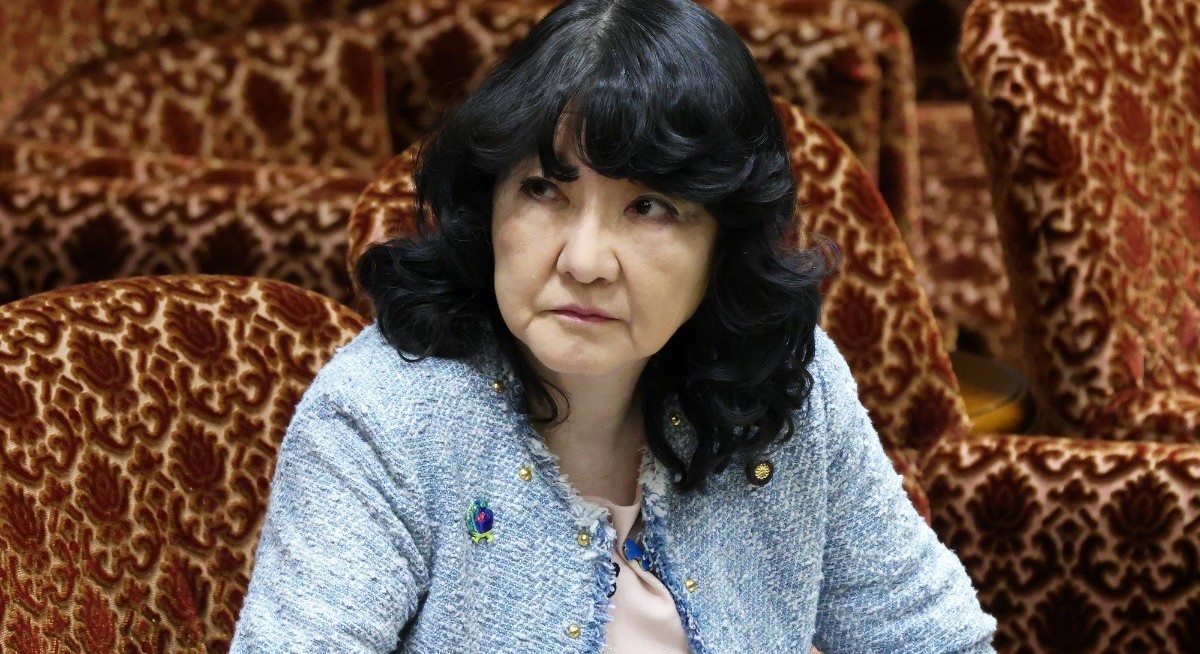


(June 9): Japan is currently undergoing the greatest budgetary reform process since the end of World War II at a time when authorities are trying to reduce reliance on extra budgets to meet unexpected spending needs, Finance Minister Satsuki Katayama said.
“As for budget system reform, this is clearly the biggest overhaul since the end of the war,” Katayama said. “That’s the level of commitment we’re bringing to it.”
Scrapping extra budgets would be a major change for Japan’s budgetary process given its annual reliance on them. Still, it remains unclear if the move would constitute postwar Japan’s largest budget reform.
Katayama was speaking days after the passage of a ¥3.1 trillion (US$19.4 billion or $25 billion) extra budget that includes a newly created reserve fund to respond to inflation and other issues stemming from the conflict in the Middle East. That extra budget, compiled just two months into the current fiscal year, sits awkwardly with the government’s goal of stopping reliance on additional spending packages.
Prime Minister Sanae Takaichi has said that reducing use of supplementary budgets will improve fiscal predictability going forward. That would require the government to incorporate all its spending plans for the year into its initial budget plans, potentially inflating them.
Getting rid of extra budgets would remove one of the easiest targets for opposition parties and sceptical investors who claim the government is too loose with fiscal policy.
See also: Renault reminds Nissan of its clout with ouster of key director
“The basic problem is that the system has come to assume that there will be a fairly large extra budget at some point,” Katayama said. “As a result, it’s difficult to establish predictability at the start of the fiscal year, and a number of other drawbacks have emerged.”
Japan typically cobbles together extra budgets during the fiscal year to address unanticipated needs related to natural disasters and economic shocks. But their prevalence suggests that the government relies too much on having an extra opportunity each year to increase spending. Japan already has the highest public debt load compared with gross domestic product among advanced economies and market participants have expressed concern about Takaichi’s spending plans going forward.

See also: BOJ governor Ueda to resume work next week after early discharge
Katayama said the government wouldn’t rule out using supplementary budgets altogether, saying additional spending packages would still be compiled when necessary to respond to unforeseen events.
Still, the proposal to largely phase them out has raised concerns among local governments. They worry that shifting programmes from supplementary budgets to the initial one could alter the size of subsidies and financing conditions, potentially leaving them worse off. Katayama said she has been listening carefully to those concerns and will respond appropriately.
Shifting spending that is now financed through extra budgets into the initial fiscal year budget could significantly expand the size of Japan’s annual budget, which currently totals about ¥122 trillion (US$761 billion). Katayama emphasised the importance of maintaining market confidence through communication.
“If market participants understand the government’s objectives, we’re less likely to see disorderly moves in the bond market or elsewhere,” Katayama said.
Japanese ministries typically submit funding requests for the next fiscal year’s initial budget by the end of August, kicking off the budget drafting process.
Past attempts at shaking up the budget process include an effort in the early 1980s to install a zero cap on spending plans to enable fiscal consolidation without tax hikes. At the beginning of the millennium then Prime Minister Junichiro Koizumi also tackled the budgetary process, introducing a rough ceiling on bond issuance of ¥30 trillion and a measure to limit access to postal savings and pension reserves to fund fiscal investment loans.
Uploaded by Chng Shear Lane




