


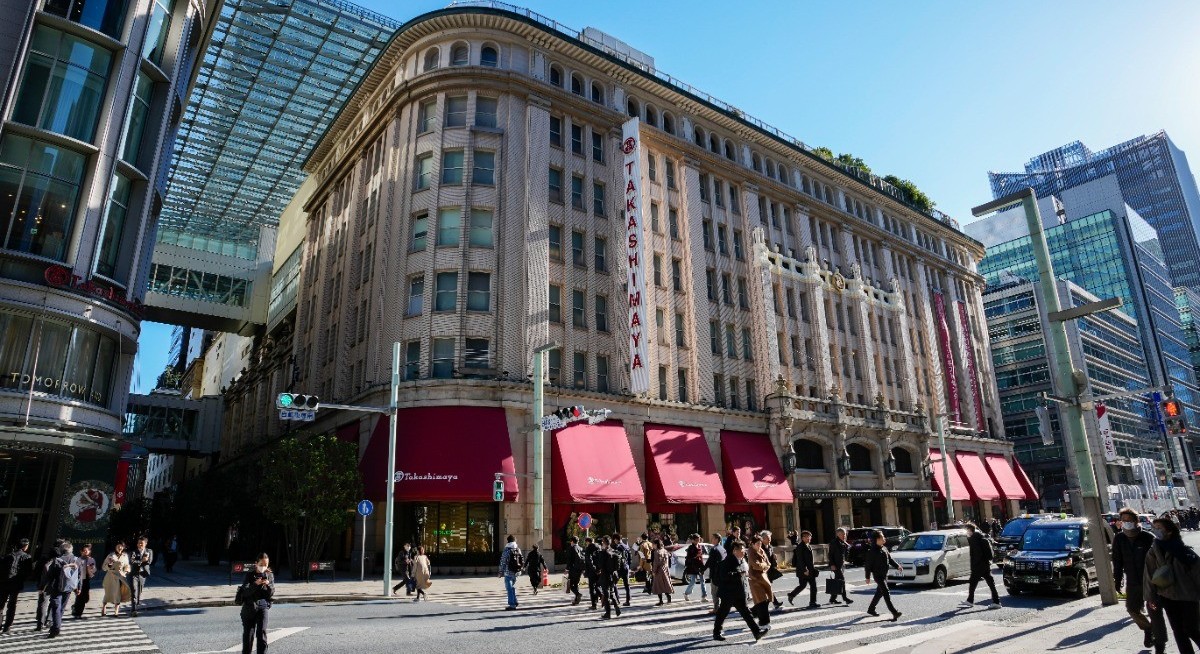


H2O Retailing Co said sales from Chinese customers fell about 40% last month due to flight cuts from China to Kansai International Airport near Osaka, pushing overall sales down 3.6%. Matsuya Co reported about an 11% drop at its flagship Ginza store last month, citing the absence of Chinese tourists. Isetan Mitsukoshi Holdings Ltd said duty-free sales across its domestic stores fell 14%, pulling total sales down 0.5%.
Chinese visitors have been a crucial driver of Japan’s economic recovery since borders reopened after the Covid-19 pandemic, contributing roughly a fifth of the nation’s ¥8.1 trillion tourism revenue. That reliance has now become a vulnerability, exposing retailers to shifts in Chinese travel trends as political frictions resurface.
Visitor growth from China slowed in November to its weakest pace in nearly four years, after Beijing curbed travel in response to Japan Prime Minister Sanae Takaichi’s remarks on Taiwan. China has also ordered airlines to reduce flights to Japan through March, a move that could spell more pain in the months ahead for Japanese retailers and the tourism industry.
Tourism remains one of Japan’s key growth engines, and a prolonged pullback risks denting corporate earnings and broader economic recovery. Japan could lose as much as ¥1.2 trillion in tourism revenue this year if travel restrictions persist, according to Hiromu Komiya, an economist at the Japan Research Institute.
See also: Japanese investors stay wary Takaichi will spur another bond crash
Uploaded by Arion Yeow




