


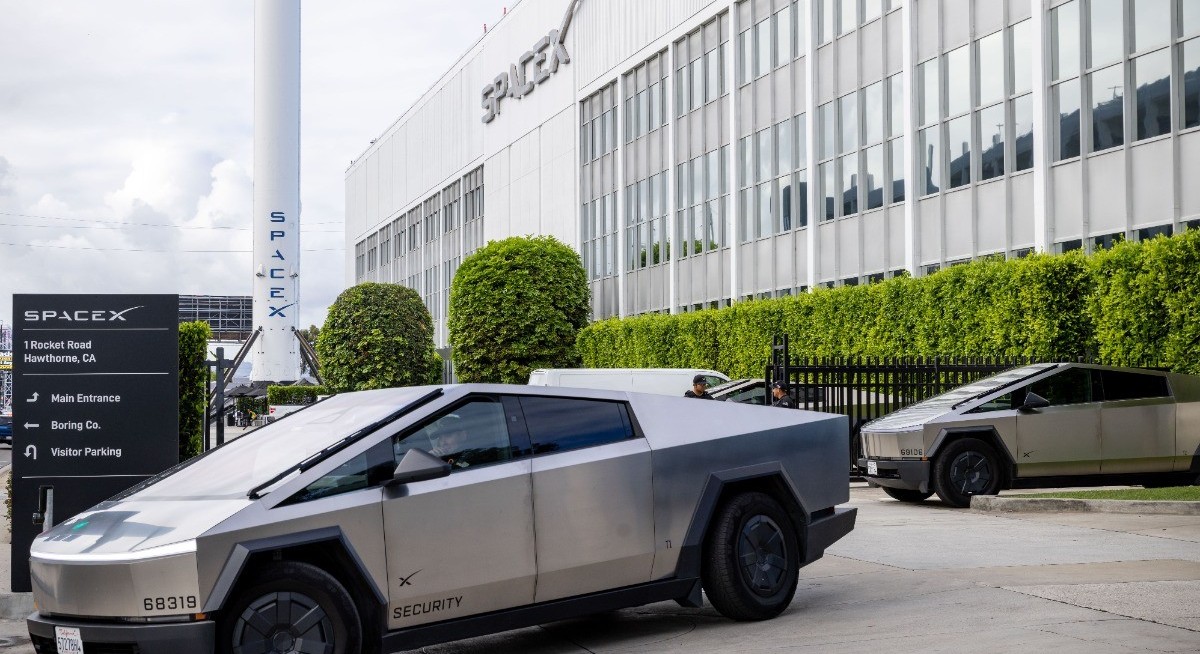


(June 12): Pre-initial public offering (IPO) trading in derivatives linked to SpaceX indicates a gain of anything between 30% and 50% for Elon Musk’s rocket, satellite and artificial intelligence (AI) company as retail investors flock to the much anticipated listing.
Derivatives offered by online brokerage IG International pointed to a market value of US$2.4 trillion ($3.1 trillion) on Friday morning in Singapore, implying a gain of more than 35% from a price of US$135 a share and valuation of US$1.77 trillion in the IPO.
SpaceX-tied perpetual futures, contracts that don’t expire, on crypto venue Hyperliquid were trading around US$180, implying a valuation of more than US$2.3 trillion. Over US$143 million of the instrument traded in the past 24 hours, and it currently has more than US$208 million in open interest. In Germany, retail broker Lang & Schwarz quoted SpaceX with a Thursday closing price of US$208, implying a 54% gain from the IPO price.
Retail investors have submitted more than US$100 billion in orders for the listing, Bloomberg reported on Thursday. The company is expected to allocate at least 20% of the available shares to the cohort, the people said.
Should the trading indications hold into the regular trading debut, the IPO would clear its first major hurdle as a public company, given the ambitious valuation, sceptical Wall Street voices on the business growth assumptions and the low initial free float.

See also: SpaceX’s US$100 bil order book is tiny versus hot Chinese IPOs
The median first day rise in shares for last 66 technology companies to list in the US, including Meta, Twitter, Zoom and Robinhood, was 36%, according to data compiled by Bloomberg. One year after the listing that performance climbed to 43%. Year one, however, is rarely smooth: at its trough, the median name traded 20% below their IPO offer price, with four in 10 down 30% or more.
Prediction markets have also added to the bullish signals. Polymarket traders put 70% odds on SpaceX closing above US$2 trillion of market value on its first day of trading.
While these signals indicate a level of enthusiasm, they won’t necessarily translate directly into a stock price move. Gray markets offer buying and selling in instruments linked to the stock before it starts trading on the main exchange. They are usually thinner and less transparent than price discovery on regular exchanges, especially on retail trading platforms. Prices can swing sharply and may be driven by a small group of traders, leverage or short-term speculation rather than broad investor demand.
See also: SpaceX IPO raises US$75 bil in biggest debut of all time
Still, the pricing underscores how ravenous investor appetite has become for assets at the intersection of AI and space infrastructure. A SpaceX debut that delivers a first-day surge would likely bode well for the IPOs of OpenAI and Anthropic PBC, handing bankers evidence that public markets can absorb trillion-dollar valuations that were unthinkable just a few years ago.
“Demand has been good for the IPO and there is a lot of interest in the pre-IPO trading as well,” said Fabien Yip, a market analyst at IG. It was the most popular pre-IPO trade “we have had so far even with the valuation looking stretched. If the pre-IPO pricing momentum sustains, it will set a precedent for the next mega-IPOs”, she added.
In the short term though, a strong SpaceX debut could also pull money away from other areas of the AI theme and might require a reshuffle of the Magnificent Seven cohort. Trading flow impact could feed through to semiconductors, other space exploration and satellite stocks, or even Tesla Inc, while lifting suppliers, peers and shareholders tied to Musk’s rocket and satellite company across the world.

Uploaded by Tham Yek Lee




