


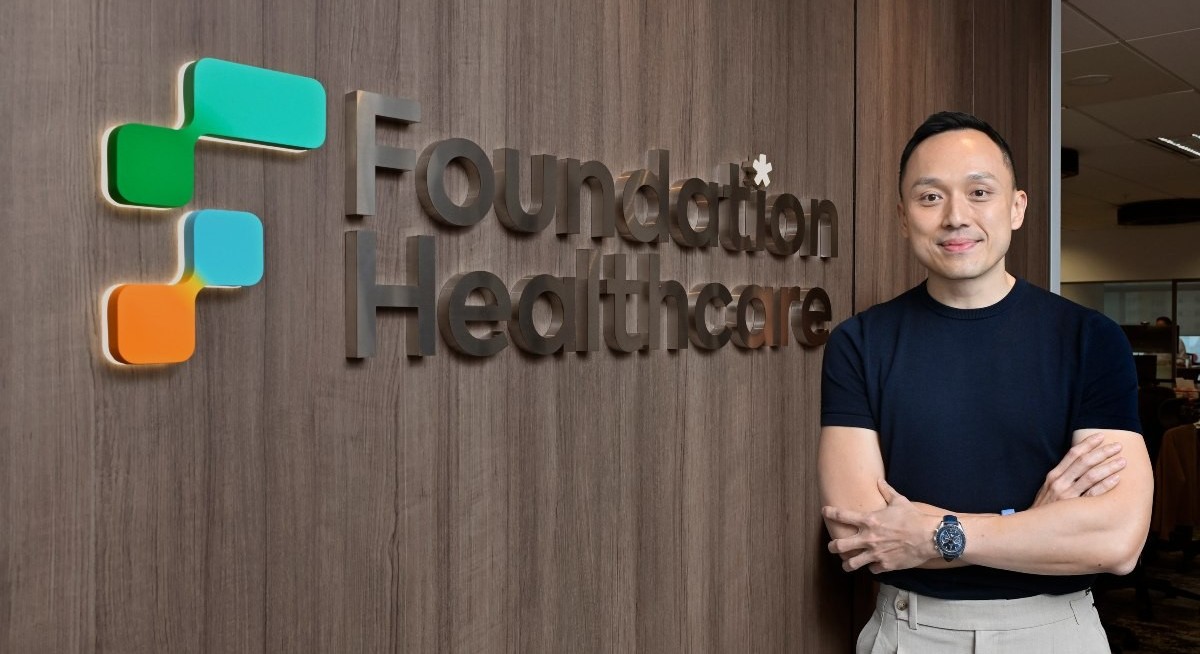


The eventual figure, says CEO and executive director Liaw Yit Ming, was based on investor demand and pricing. The decision also came after JustCo’s dismal debut on May 22.
To him, the IPO is “just a start”. “I don’t think anyone should be maximising valuation. I think it is more critical that post-IPO, it trades well and that all investors, when they do come in… enjoy the upside,” he tells The Edge Singapore. “A lot of times, when you maximise the valuation… people start profit-taking.”
He adds that with everyone now “trying to play their part” in revitalising the SGX, this is one area where Foundation Healthcare can help, especially since this year’s IPOs have not performed well. “Because if there’s another failed IPO, it’s going to be very, very painful,” he says.
That said, Liaw is feeling “confident” about the company’s performance given its price. “I think we have intentionally decided not to maximise pricing and leave quite a lot of money on the table,” he adds. Investors may also rest easy knowing that Liaw and Dr Lee Hong Huei, the company’s executive director and chief operating officer, have agreed to a voluntary moratorium for 12-plus-six months despite being permitted to sell their shares post-listing. “We also want to give confidence to investors that we are in this for the long haul.”
A mission with room for growth
Foundation Healthcare, established in 2023, began with a mission to make private healthcare sustainable, especially in terms of cost, says Liaw. “Medical inflation is increasing — double digits — every single year. So we decided, why don’t we, as healthcare professionals, after having spent decades in this business, come together to do something about it?”
The team adheres to the fee schedule set by its insurer partners, which provides “comfort and certainty”. Facility fees, incurred mostly at day surgical centres, are 15% to 48.3% lower than in hospital inpatient settings in 2023, according to Frost & Sullivan figures cited in the prospectus.
See also: Foundation Healthcare's IPO 3.8 times subscribed
The company has three verticals: specialists, medical centres and its proprietary tech platform, AVA, which helps digitise paperwork such as medical claims.
As at March 31, the company has 108 specialists, out of the 2,400 specialists in the sector. The company also has two of the nine medical centres currently in Singapore. The market can potentially support 40 centres by 2030, says Liaw at a media briefing. He adds that the company will have a “very good percentage” of those 40 centres.
“We’re quite different from the other existing day surgical centres. Some of the existing day surgical centres that you see today. They’re mainly built by a small handful of doctors, who typically build them to meet their own requirements. They’re not like a general operating theatre that can do multiple different types of cases,” he says, adding that the company’s team of specialists span 16 medical areas, in which these centres have to support the different types of procedures it has.
Furthermore, there have been no new private hospitals in Singapore over the last 10 years, due to zoning requirements and costs. For instance, when Mount Elizabeth Novena was constructed in 2012, the land and construction cost over $1.5 billion. In comparison, the new centre the company built in February cost just under $8 million.
Foundation Healthcare is looking to expand into Hong Kong and Malaysia, both of which have healthcare systems “very similar” to Singapore’s and face double-digit medical inflation. The same insurers — Prudential, AIA and Great Eastern Holdings — operate across all three markets and are familiar with the company’s work, says Liaw.
Dividend policy
Foundation Healthcare, which won’t be distributing dividends — rare for a new company, given that most companies have a policy of distributing 30% of their earnings — says the decision is due to acquisitions and expansion plans, per its prospectus.
In FY2025, the company recorded a free cash flow conversion of 76.5%. Its FY2024 cash flow conversion is around 90% as it had not yet invested in the two medical centres it acquired in 2025. Liaw says the company’s asset-light structure gives it strong cash flow and the ability to fund dividends regardless; as at the end of 2025, its cash balance stood at over $70 million.
“At the end of the day, it boils down to returns whether it’s dividends or share price appreciation,” says Liaw.




