


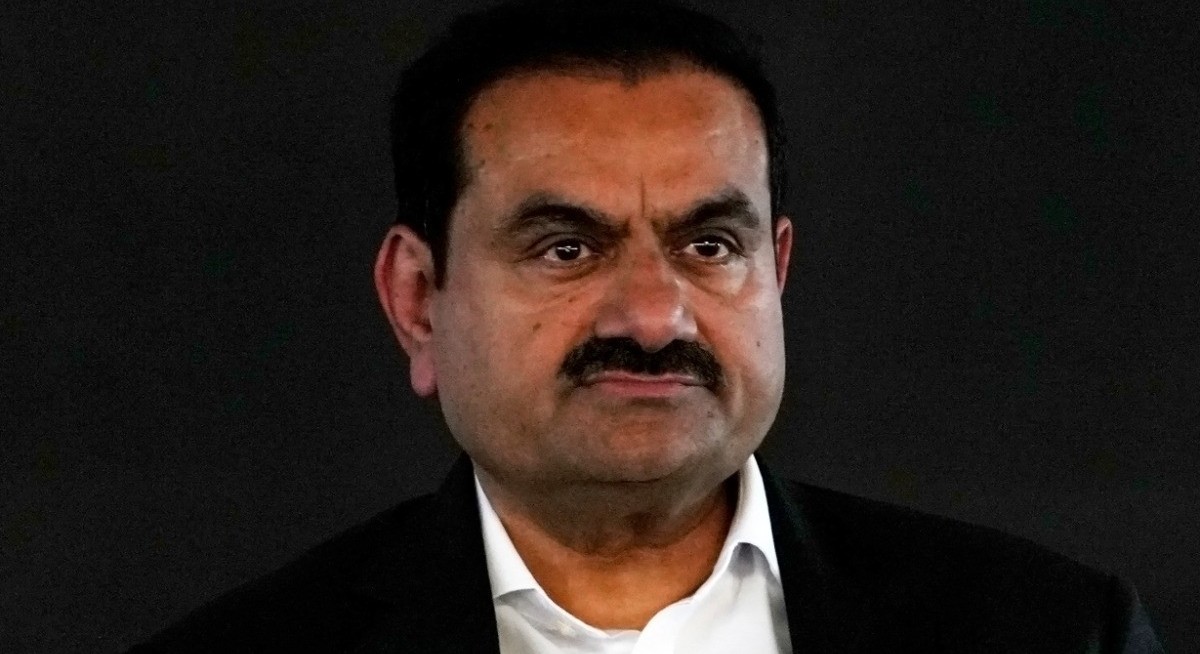


(Jan 30): Indian conglomerate Adani Group is ramping up financing at home amid the global market volatility and a US bribery probe against its founder, in a test of how far domestic creditors can go to help fund some of the world’s biggest infrastructure plans.
The ports-to-cement behemoth, owned by billionaire Gautam Adani, increased funding from the local debt capital markets to the equivalent of US$2 billion in 2025, a ten-fold rise from about a year earlier, according to group chief financial officer Jugeshinder Singh. It’s now keen to push that amount to as much as US$10 billion over the next three years, he said.
The real test will be whether the conglomerate can sustain its ambitious five-year investment plan that could involve capital expenditure of up to US$100 billion. A heavier dependence on Indian lenders may eventually strain balance sheets if group companies run up against banks’ exposure limits. At the same time, as the entity also expands other borrowing channels overseas, lenders will be watching its ability to keep overall leverage in check.
A move last week by the US Securities and Exchange Commission to advance its stalled fraud case against Adani brought another reminder of the uncertainties burnishing the appeal of local funding. That’s particularly the case at a time when many Indian firms are also opting to raise money at home, given volatility abroad.
Still, increasing reliance on local credit could be tough in the long term, according to Lakshmanan R, head of South and Southeast Asia corporates at CreditSights. After several years, local banks could start hitting their limits for lending to the group or could get a bit antsy, he said.
For now, though, creditors in the country are giving every indication of wanting more Adani debt.
See also: India forecasts over 7% growth next year despite trade risks

Adani Group, which often aligns itself with Prime Minister Narendra Modi’s development agenda and controls large parts of India’s infrastructure sector, saw its flagship firm’s
US$110 million public rupee bond fully subscribed within an hour in early January. Another unit, Adani Power Ltd, raised 75 billion rupees in local-currency bonds in late January, marking its largest issuance ever.
Adani Group companies also tapped multiple state-run entities including Life Insurance Corp of India and Power Finance Corp to raise rupees last year. In addition to government-owned firms led by the State Bank of India, top private sector lenders including HDFC Bank Ltd, ICICI Bank Ltd and Axis Bank Ltd, along with others, have also recently extended debt to the group, according to people familiar with the matter.
See also: Modi flags EU trade deal, reforms as US pact remains elusive
A spokesperson for Adani Group did not reply to Bloomberg’s email seeking comments.
“Shifting to local lenders is a sensible strategy for Adani Group in the current global environment,” said Nirmal Jain, founder of Indian financial conglomerate IIFL Group. The conglomerate is well positioned on ample local market liquidity, as lenders seek “high-quality” infrastructure plays, according to Jain.
As it cuts leverage, the group has been rebounding from a short-seller report in 2023 that it refuted and from the initial news of the US bribery probe against its founder that began with an indictment in 2024. Adani Group’s bonds have largely returned to their prices from before that shock.
The diversification in funding mirrors a broader global narrative of de-dollarisation that’s been gaining attention after US President Donald Trump jolted markets with tariffs and geopolitical shocks. In many ways, the path Adani Group is forging mirrors India’s own recalibration on the world stage, as it joins other policymakers and investors hedging against further surprises. The European Union and India clinched a free-trade agreement after almost two decades of negotiations, with the South Asian country also signing trade deals with the UK, Oman and New Zealand in 2025.
Just two years ago, local banks accounted for about 30% of the Adani Group’s total debt; that share has climbed to roughly 50%, according to company filings as of September.
As it hedges risks from this turn, the group has also been expanding its universe of foreign lenders. The conglomerate has plans to raise as much as US$1.5 billion worth of yen-denominated debt in the next year and a half.
Asian banks such as Mitsubishi UFJ Financial Group Inc along with a few Middle Eastern firms such as First Abu Dhabi Bank PJSC are increasingly lending to the group, people familiar with the matter said. Many lenders have been attracted to its project expansion as they seek long-term infrastructure assets to match liabilities, according to the people.
To stay ahead of Singapore and the region’s corporate and economic trends, click here for Latest Section
The company is now looking to buy back dollar bonds worth at least US$100 million this year, people familiar with the matter said, asking not to be identified. It will increase its share of local borrowing as the cost of issuing rupee debt with AAA ratings should be relatively lower, they said.
While the broader scrutiny on the Adani Group has made it difficult for US banks to do syndicated loans for the conglomerate for now, it’s still attracted US lenders recently. BlackRock Inc and Apollo Global Management Inc were among US firms that backed the group’s fundraisings in 2025.
“We don’t know how the DOJ process will pan out in terms of outcome and timing,” said Ray Tay, associate managing director at Moody’s Ratings. “But as it stands now, the group has maintained its continued access to liquidity, it’s been able to close transactions despite the legal uncertainty.”
Uploaded by Evelyn Chan




