


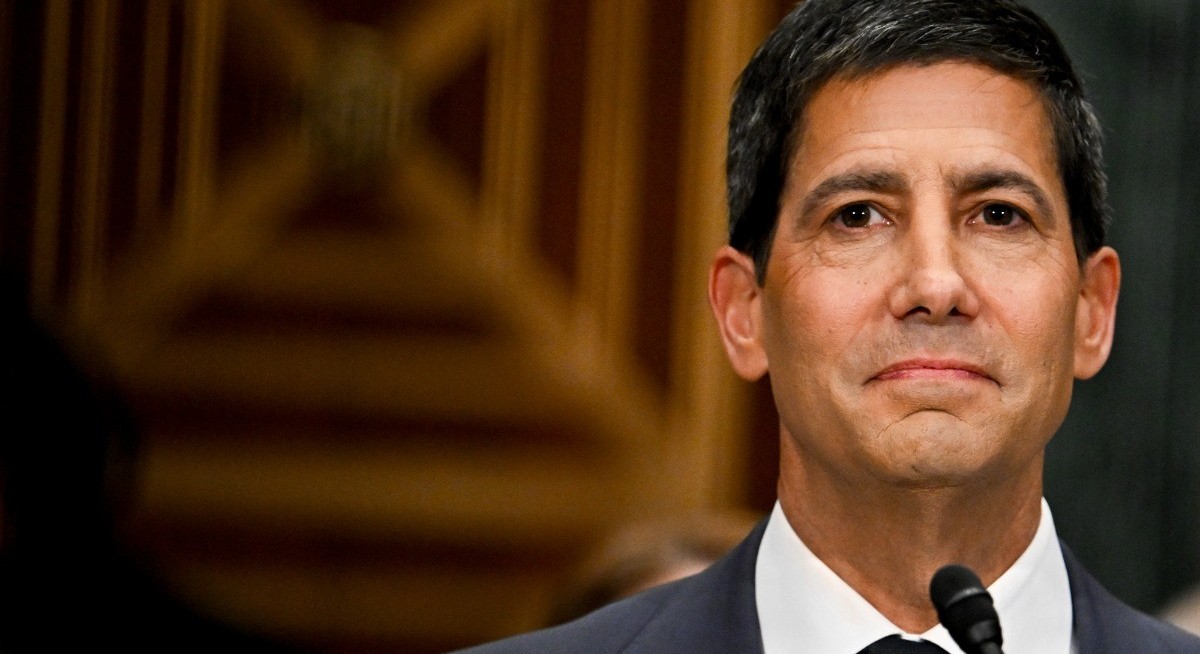


(July 15): US Federal Reserve (Fed) chairman Kevin Warsh said slowing inflation in June doesn’t mean it’s mission accomplished — and for the first time since taking office he hinted at how the central bank may eventually have to respond.
During three hours of Congressional testimony on Tuesday, lawmakers questioned Warsh about how he plans to deliver on his repeated promise to restore price stability after the Fed for years has missed its 2% inflation target.
While the new Fed chief stopped short of signalling tighter monetary policy, he made it clear the options to curb inflation include interest rates.
“We have the tools to do it,” Warsh said. “Over the coming period, I’m going to ask our colleagues to have a good family fight about the extent and timing in which we would need to deploy those,” he added, referring to the Fed’s monetary policy tools.
Economists said the remarks didn’t project a near-term interest rate hike, but they were the closest the new Fed chairman has come to saying out loud that monetary policy may need to be tightened.
“This is probably the closest Warsh has come to acknowledging that the Fed could raise rates in response to persistently high inflation, without explicitly signalling a hike,” said Olu Sonola, the head of US economics at Fitch Ratings.
See also: Fed’s Williams says rates well-positioned despite AI demand
In a note to clients, Goldman Sachs economists said Warsh’s remarks represented “hints about his view on responding to high inflation caused by supply shocks.”
No guidance
Warsh was nominated for the Fed job by US President Donald Trump, who’s been demanding lower borrowing costs for years. Since taking office in May, the new chairman has promised to scrap the central bank’s system of signaling where interest rates are headed, known as forward guidance. He and others have criticised the practice on the grounds that it ties officials’ hands when economic conditions change.
See also: US mortgage rates match highest in almost a year, purchases drop
Toward that end, he had refrained from any discussion of how the Fed might respond if inflation didn’t ease, even as some of his fellow policymakers have explicitly raised the potential for rate hikes.
Not everyone was convinced his latest comments represented something new.
Jason Furman, a top economist in the Obama administration and now a professor at Harvard’s Kennedy School of Government said Warsh was consistent and steered clear of offering new guidance during his testimony.
“Anyone who thinks they might be hearing hints of his future plans is mishearing,” Furman said. “I would take no signal from anything right now because I think he hasn’t decided what he wants to do yet.”
Traders dropped their bets for a July rate hike after inflation data, released earlier on Tuesday, showed consumer prices declined in June for the first time in six years. That came amid a pause in the US-Iran war, which has subsequently flared up again. A measure of core inflation, which excludes volatile food and energy components, was flat.
“The CPI made this a very easy testimony for him,” said Steven Englander, the global head of G10 foreign exchange research at Standard Chartered Bank.
While the lower-than-expected inflation numbers relieved pressure on Warsh during the hearing, lawmakers continued to pepper the Fed chairman over how he plans to get back to target.
To stay ahead of Singapore and the region’s corporate and economic trends, click here for Latest Section
Warsh said the June inflation reading was better than expected, but has a long way to go.
“I’m not going to show up here and say mission accomplished,” Warsh said. “What I’d say is there’s plenty of work to do.”
The overall tone of his remarks hinted at his hawkish side, said Kathy Bostjancic, the chief economist of Nationwide. His comments, she added, suggest that “if inflation remains persistently high he could support raising rates at some point.”
Warsh used the hearing to map out his broader agenda of shaking up the central bank by promising to deliver “regime change” through five new task forces that will review and potentially reform key parts of the Fed’s policymaking.
Promising to defend the central bank’s independence, Warsh said he would keep politics out of the Fed and wouldn’t hesitate to take policy steps the economy needed.
“Our job, my commitment to you, is to take sticky prices and to unstick them,” Warsh said.
Uploaded by Isabelle Francis




