


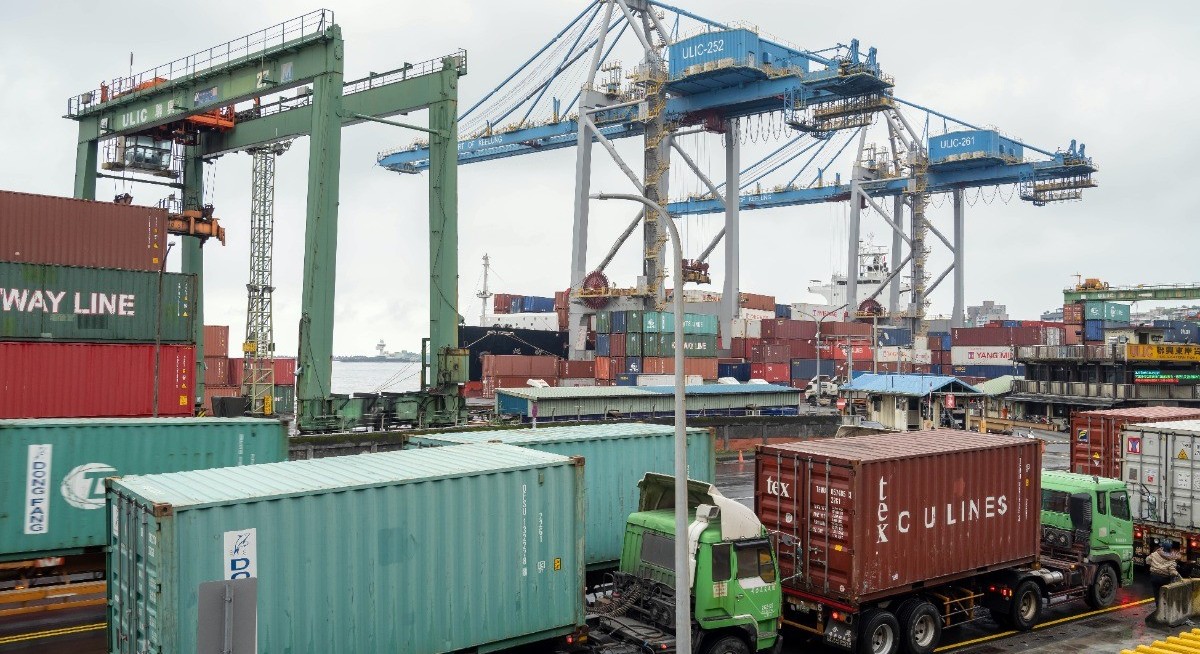


(Jan 16): The US and Taiwan agreed to a long-sought trade pact that would lower tariffs on goods from the self-governed island to 15% and see Taiwanese semiconductor companies increase financing for American operations by US$500 billion ($644.12 billion).
Under the terms announced on Thursday, duties on Taiwanese shipments would fall from the previous 20% rate — putting them on a par with Japan and South Korea, which struck their own deals last year. The new rate wouldn’t stack on top of existing most-favoured-nation duties, according to a statement from the Cabinet in Taipei.
Taiwan’s technology industry would commit to making at least US$250 billion in direct investments to expand advanced semiconductor, energy and artificial intelligence (AI) operations in the US. That includes a previous US$100 billion commitment made in 2025 by Taiwan Semiconductor Manufacturing Co (TSMC), Commerce Secretary Howard Lutnick said. TSMC envisions building at least four more chipmaking plants — on top of six already planned — requiring roughly an additional US$100 billion of capital, people familiar with the matter said, asking for anonymity to discuss private details.
The Taiwanese company — Nvidia Corp’s main chipmaker — had also pledged US$65 billion in investments during the previous administration that don’t appear to be counted towards that US$250 billion total.
According to the pact announced by the Commerce Department on Thursday, Taiwan also agreed to provide an additional US$250 billion in credit guarantees for further investment in the American semiconductor supply chain.
A US Commerce Department statement outlining the deal didn’t specifically mention TSMC, but the arrangement has clear implications for the world’s top producer of AI chips. Lutnick said in an interview with CNBC he expects the company “to come in huge, bigger — you have seen reports on possibly doubling in size”.
See also: US changes India trade deal statement, sparking confusion
The US also said it would expand investments in key Taiwanese industries including semiconductors, AI, defence and biotechnology, according to the Taipei Cabinet statement.
Lutnick and US Trade Representative Jamieson Greer led talks on the pact, officials said. The credit guarantees would largely benefit small- and medium-sized Taiwanese firms building in the US, Lutnick told CNBC. He indicated Taiwan made the concession because it had been threatened with a massive levy on its goods.
“If they don’t build in America the tariff’s likely to be 100%,” Lutnick said. “If they commit to build in America, they can bring in their semiconductors during the time they are building in America without a tariff.”
See also: Australia and EU enter final stretch in long-running trade talks
The deal removes a major point of contention between the democracy of 23 million people, which China wants to control, and the US, Taipei’s main military backer. Taiwanese officials have for months indicated that a pact was close, but one never materialised. The agreement was announced shortly after a delegation of top Taiwanese officials visited Washington to finalise the deal with US President Donald Trump’s representatives.
The framework also caps sector-specific US tariffs on auto parts, timber, lumber and wood derivative products from Taiwan at 15%. Generic pharmaceuticals made on the island would face no import taxes, according to the Commerce statement.
In addition, Taiwanese semiconductors would receive relief from future tariffs. Companies building new US operations would be able to import 2.5 times their current capacity tariff-free during construction, with a lower rate applied to shipments above that quota. That cap would lower to 1.5 times current capacity once production facilities are complete.
The Commerce Department concluded an investigation that found chip imports harm US national security, but held off on imposing broader tariffs. Trump instead ordered senior administration officials to negotiate arrangements with major exporters. It only applied a narrow 25% duty on certain advanced semiconductors to be shipped overseas, a key step in a deal for Nvidia to ship Taiwan-made H200 AI processors to China.
Taipei has been trying to conclude a deal with the US before Trump meets Xi Jinping in China, Bloomberg News reported earlier. The US president is expected to visit China in April.
The deal was announced even as a Supreme Court decision looms on Trump’s global tariffs. If the court rules against the president, it could hamper his ability to unilaterally set levies on foreign countries’ goods.
Taiwanese President Lai Ching-te had indicated he supported Trump’s goal of reindustrialising the US but said American land, electricity and workforce policy reforms were needed so projects could move ahead. Taipei had also pushed back on a request to move chip production to the US to cover half of America’s demand.
To stay ahead of Singapore and the region’s corporate and economic trends, click here for Latest Section
Taiwan received assurances that the US would provide land, utility, infrastructure, tax incentive and visa support to ensure its companies could follow through on their investments, the Taipei Cabinet statement said.
The deal removes a mild overhang for Taiwan’s economy, which has boomed because of tech exports, such as accelerators and servers that have been in high demand as tech companies rush to develop AI capabilities.
Taiwan recently revised its gross domestic product growth forecast for 2025 to some 7.3%, which would be the highest since 2010. The booming tech exports helped increase its annual trade surplus with the US to a record US$150 billion in 2025.
Uploaded by Tham Yek Lee




