


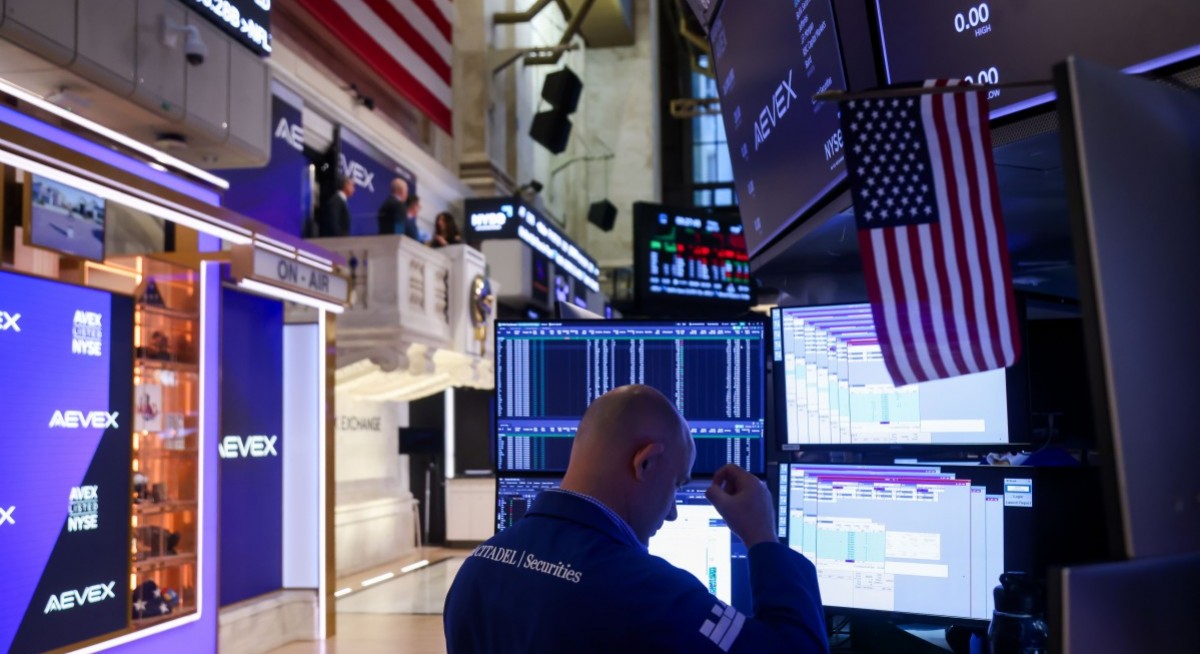


The soft start comes after efforts to resume US-Iran peace talks stalled over the weekend, when President Donald Trump abruptly canceled a planned trip by his top envoys and Tehran said it won’t negotiate under threat. The setback adds to concerns for global equities at or near record highs, with Brent crude oil holding above US$100 a barrel and elevated bond yields from Sydney to London driving up borrowing costs.
Investors are still encouraged by strong corporate earnings and the AI boom “while keeping the US-Iran situation on their side mirrors,” said Francis Tan, Asia chief strategist at Indosuez Wealth in Singapore. But “the market is driving at 120km/h now and may have less reaction time when it is really time to change lanes.”
There have been some signs that investor enthusiasm for the biggest beneficiaries of the month-long rally may be waning. According to BofA’s trading desk, investors should hedge across rate sensitive areas of the market such as small caps, regional banks and gold, adding that underperformance might still shake out those holding gold as high beta risk asset.
Markets are likely to remain on edge as major central banks including the Federal Reserve and Bank of Japan deliver policy decisions beginning Tuesday. While investors expect them to all leave rates unchanged, traders will be alert to signs officials are worried about the inflation threat posed by the biggest disruption to oil supply in history from the Iran war.
See also: Oil holds drop after erasing most wartime gains as supply swells
Elsewhere, US Treasury futures edged lower in early trading.
Indications of concern and speculation of policy tightening in coming months would likely be negative for government debt, which has already underperformed other assets in recent weeks as stocks and credit markets rallied with traders looking past the war. The Bloomberg GlobalAgg Index, a measure of global investment grade debt, has slid 1.7% since the Iran war broke out against the 1.5% gain in global stocks.
While the aggressive policy tightening cycle that was penciled in during the first part of the Middle East war has been partially unwound, “markets have been forced to recognize that the inflation threat is not over,” Marc Chandler, chief market strategist at Bannockburn Capital Markets wrote in a note to clients. April inflation reports are unlikely to offer relief from firm March readings and the spill over in to core prices is becoming more visible, he wrote.
See also: US stock futures surge on Micron’s strong forecast
Also key for markets this week, Alphabet Inc., Microsoft Corp., Amazon.com Inc. and Meta Platforms Inc. are set to report Wednesday, followed by Apple Inc. a day later. The companies are worth nearly US$16 trillion combined, representing a quarter of the S&P 500 Index’s market capitalization.
“It’s going to be a critical week,” said Keith Lerner, chief investment officer and chief market strategist at Truist Advisory Services. Results need “to validate this recent move,” he added.
uploaded by Isabelle Francis




