


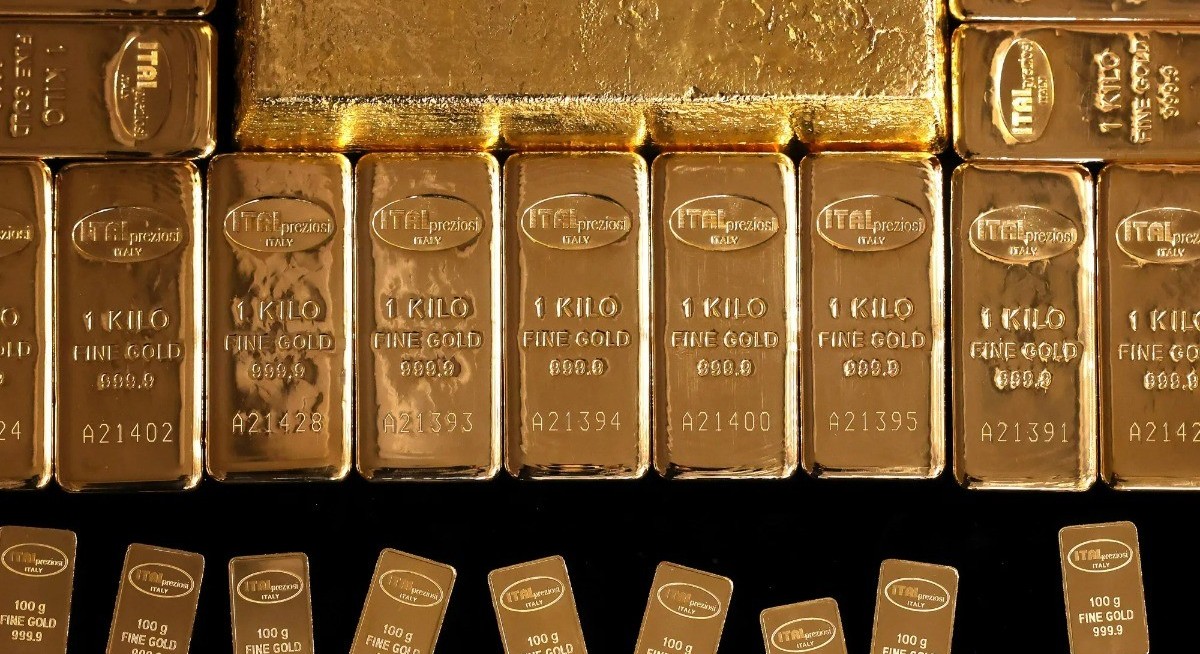


(March 25): Gold extended gains after breaking a nine-day losing streak, as investors weighed signals that the US may pursue a diplomatic route to ending the war in the Middle East.
Bullion advanced as much as 2.8% to top US$4,600 an ounce, adding to a 1.6% jump in the previous session. US President Donald Trump said Iran had offered a “present” as a show of good faith in negotiations, noting it was related to energy flows via the Strait of Hormuz. China urged Iran to engage in talks with the US, while Axios reported that Washington and regional mediators were pursuing the possibility of high-level discussions as soon as Thursday.
Oil fell and equities climbed, while a gauge of the US dollar dropped as much as 0.3%. Since the war began more than three weeks ago, gold has moved largely in tandem with stocks and in an inverse relationship with crude. Elevated energy prices have raised the risk of inflation, leading investors to bet that the Federal Reserve and other central banks will keep interest rates unchanged, or hike them. That’s a headwind for non-yielding commodities.
In recent weeks, declines in global stocks and bonds have also forced investors to ditch their positions in gold to raise cash, further amplifying losses in bullion.
In the near term, “gold is likely to stay sensitive to Fed policy-path expectations, the US dollar and geopolitical developments”, said Christopher Wong, a strategist at Oversea-Chinese Banking Corp, “but the rebound suggests dips may continue to find support unless real yields move meaningfully higher”.

See also: Gold and silver rebound as Trump postpones Iran energy strikes
The market remained on edge, with Iran keeping a tight grip on Hormuz and Israel continuing strikes on the Islamic Republic. The Trump administration ordered the Army’s 82nd Airborne Division to deploy about 2,000 soldiers to the Middle East, adding to around 5,000 troops that should start arriving in the region in the coming days.
There were also reports that central banks are selling gold to defend currencies. Turkey’s central bank is preparing an expanded toolkit to defend the lira from war-related volatility — which includes potentially tapping its vast bullion reserves — and the bank has held discussions about possible gold-for-foreign-currency swap transactions in the London market, according to people familiar with the matter.
While selling by central banks may weigh on sentiment, such moves do not represent a liquidation of reserves, said Wong. “In fact, the intent to use gold-for-FX swaps actually underscores the role of gold in reserves management,” he said.
See also: Gold dips below US$5,000 as high oil prices threaten Fed rate path
The massive accumulation of bullion by central banks since 2022 was a key driver of gold’s multiyear bull run, although the pace of buying had already slowed going into this year.
Spot gold rose 2.5% to US$4,586.70 an ounce at 10.08am Singapore time. Silver gained 3.3% to US$73.56, after ending the previous session 3% higher. Platinum and palladium advanced, while the Bloomberg Dollar Spot Index fell 0.2%.
Uploaded by Chng Shear Lane




