


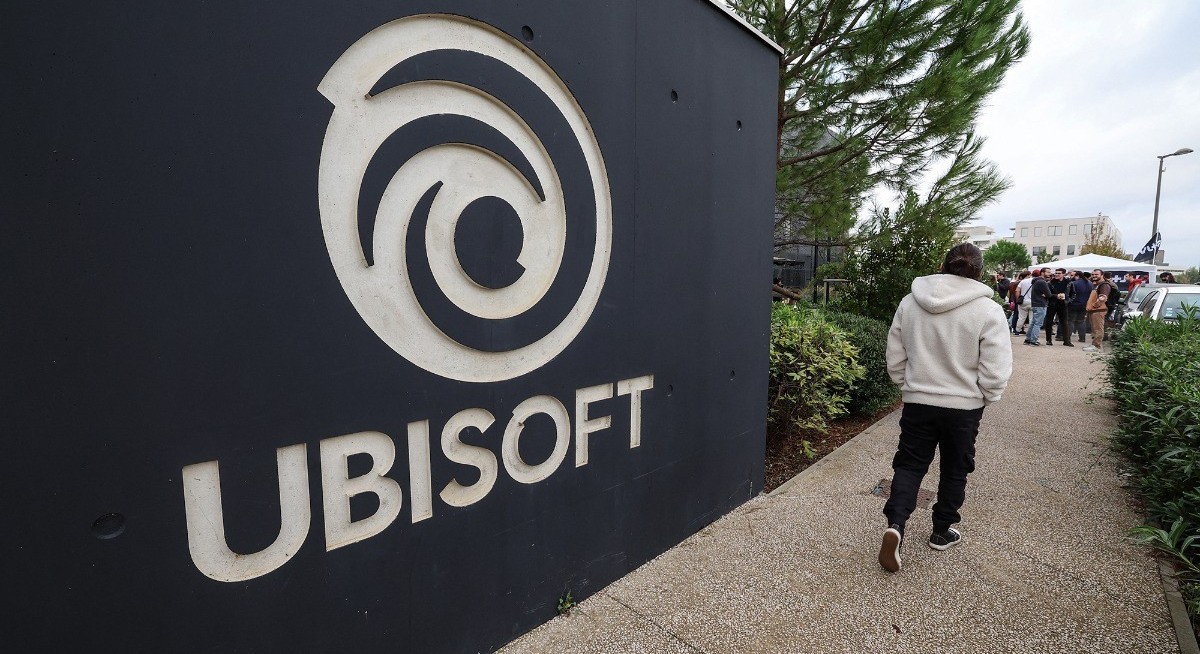


(Jan 22): Ubisoft Entertainment SA shares crashed the most in its history after the Assassin’s Creed maker said it would cancel game projects, shut down studios and cut its guidance.
The French game maker expects to record a loss before interest and tax of €1 billion in the fiscal year 2025-2026 as a result of the restructuring, driven by a one-off writedown of about €650 million, the company said in a statement late on Wednesday.
The measures are part of a broader plan to streamline operations, including closing studios in Stockholm and Halifax, Canada. Ubisoft said it will have cut at least €100 million in fixed costs compared to the latest financial year by March, a year ahead of target, and has set a goal to slash an additional €200 million over the next two years.
The shares fell as much as 36% to €4.27 in Paris trading. That’s the steepest intraday decline since the company went public.
Ubisoft also said expects net bookings of around €1.5 billion for the year, with a €330 million gross margin reduction compared to previous guidance, it said. Six games, including a remake of Prince of Persia: The Sands of Time, have been discontinued and seven other unidentified games are delayed.

See also: BofA’s Hartnett warns overbought global stocks face sell signal
Delaying “seven games and canceling six is massive and is a sign that the internal operating model is broken and management don’t have a grasp on the development cycle,” said Cantor Fitzgerald analyst Edward James in an email to Bloomberg News.
Ubisoft, once one of the biggest and most respected game makers, has suffered a string of setbacks in recent years. The publisher breached a loan agreement last year, resulting in a highly unusual week-long delay in reporting its first-half financial results. It’s also struggled creatively, with high-profile games such as Avatar: Frontiers of Pandora and Star Wars Outlaws falling flat in an increasingly competitive consumer market. Like other video game makers, Ubisoft was hit by a post-pandemic production crunch, leading to delays in the release of flagship titles.
Ubisoft’s new structure will comprise five “creative houses,” business units each handling a game genre with “faster, decentralised decision-making,” the company said. Starting April, the units will be supported by a network of studios providing development resources, and will share core services.
See also: SAP falls as cloud backlog miss sparks AI competition fears
“The portfolio refocus will have a significant impact on the group’s short term financial trajectory, particularly in fiscal years 2026 and 2027, but this reset will strengthen the group and enable it to renew with sustainable growth and robust cash generation,” chief executive officer Yves Guillemot said in the statement.
“We are skeptical that the reorg will fix long-standing issues with inconsistent game development,” said TD Cowen analyst Doug Creutz.
The company announced last year its plan to carve out a first unit, called Vantage Studios, containing some of its most successful franchises including Assassin’s Creed, Far Cry and Tom Clancy’s Rainbow Six. Chinese gaming giant and existing Ubisoft backer Tencent Holdings Ltd invested €1.16 billion to acquire 25% of the venture, a deal that closed in November. Ubisoft said in November it would use that money to repay its breached loan.
Other than Vantage Studios, there will be units dedicated to:
- Shooter games (The Division, Ghost Recon, Splinter Cell)
- Live games (For Honor, The Crew, Riders Republic)
- Immersive fantasy worlds (Anno, Might & Magic, Rayman, Prince of Persia, Beyond Good & Evil)
- Casual and family-friendly games (Just Dance, Idle Miner Tycoon, Ketchapp, Hungry Shark)
Ubisoft said it is expecting net bookings of approximately €330 million for the last quarter, driven by partnerships and robust sales of its back-catalog.
“The prospect of a return to cash generation seems remote to us, and the financial structure is likely to be weakened again in the short term,” said Corentin Marty, analyst at TP ICAP Group plc.
Ubisoft’s bonds due 2031 dropped as much as 6.1 cents on the euro to 74.6 cents, close to their record low reached in November, according to data compiled by Bloomberg.
Uploaded by Felyx Teoh




