


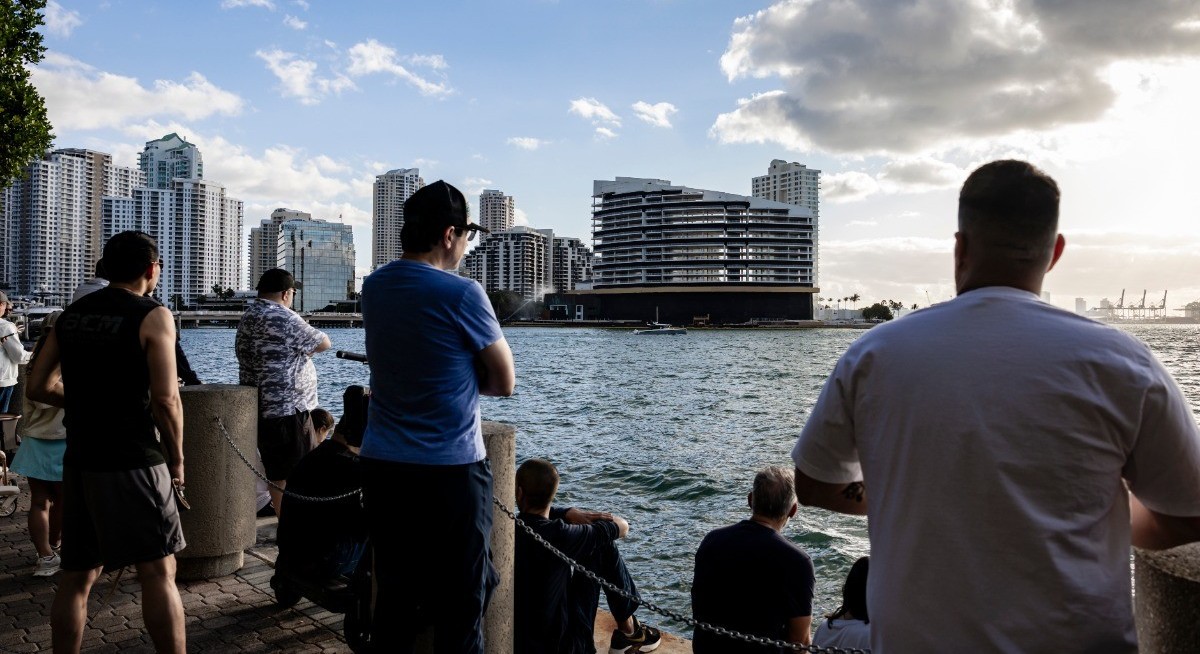


The developer, Swire Properties Inc, says it’s already generated US$1.3 billion in sales from about half the units on offer. The new hotel will serve as the North American flagship for the Mandarin Oriental chain, with fewer and bigger — and pricier — rooms.
“The combination of us, Mandarin, the location and the design is driving extraordinary sales success,” David Martin, president of Swire Properties, said in an interview before the implosion. “And it doesn’t seem to be slowing down.”

The development will consist of a new 34-story Mandarin Oriental, plus a 66-floor residential tower with two-bedroom condos starting at US$6.6 million is slated for completion in 2030.
See also: Yara ups deliveries in 1Q as Iran war jolts fertiliser market
Swire is part of the corporate family tree of a 200-year-old company that owns Cathay Pacific Airways Ltd and mostly operates in Asia. It’s been in the Miami market for more than 40 years. In the late 1970s, Swire began buying up the man-made key next to Brickell, paying some US$17 million from a financially struggling developer, Martin said.
It proceeded to develop the area now known as Brickell Key over the ensuing decades, adding condo and office buildings along with the Mandarin Oriental, which opened in 2000.
During the financial crisis in 2008, Swire started to buy lots in central Brickell and eventually developed what is now Brickell City Centre. The popular mixed-use complex includes a high-end mall, hotel, office towers and condos, all connected to public transport in a neighborhood that’s a favourite with social media influencers.
See also: Hyundai Motor eyes increasing China’s share of global sales to about 9%
In the past few years, Swire exited those properties in a series of transactions that netted nearly US$1 billion in proceeds. That cash is now being deployed into the Mandarin Oriental hotel and branded residences project.
While Latin American buyers traditionally comprised about 75% of the investor pool in residential projects for Swire, sales in the new development show that about 65% are US domestic customers, mainly from Florida, New York and California, according to Martin.
“The fact that this is mainly domestic US money speaks to the asset accumulation, capital accumulation that’s happened in the country in the last 10 to 20 years,” he said. “That’s pretty broad.”
Zoning rules in the area also changed over the past few decades, enabling Swire to pursue much taller buildings and more urban density in a rare walkable neighborhood with good transportation options.
Swire held a farewell bash for the old Mandarin Oriental in May of last year, in a nod to the nostalgia that many long-time visitors felt for the hotel, which was among the first five-star lodgings in the area outside of Miami Beach. The event also served to try to lure new buyers.
“Everybody has a story of the Mandarin,” Martin said. “The good news is we’re bringing it back.”
Uploaded by Felyx Teoh




