


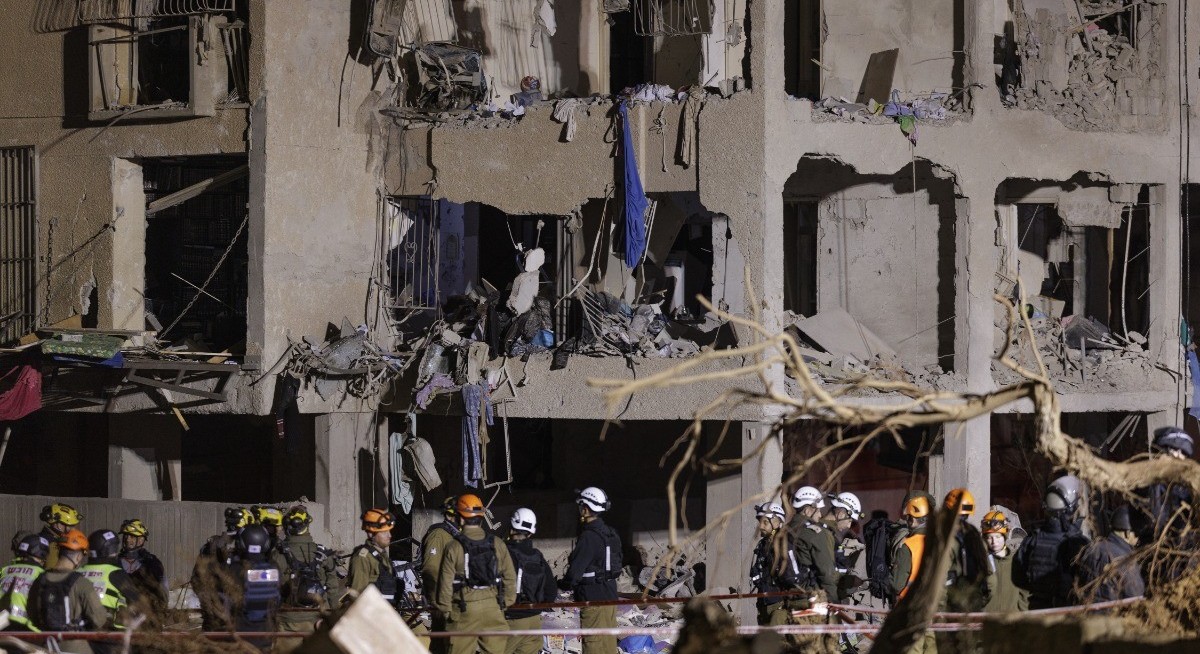


(March 23): A possible de-escalation in the Middle East conflict rippled through markets on Monday, with stocks rallying and oil falling after US President Donald Trump said he would postpone strikes on Iranian energy sites.
While Trump’s announcement initially caused stocks to spike, the gains were quickly trimmed after Iran’s media denied any contact. S&P 500 futures were up 1.6%. Brent fell about 8% towards US$103 ($131.40) a barrel. Treasuries swung between gains and losses, with the two-year yield at 3.9%. Gold dropped 1.9% and the dollar edged lower.
Trump’s abrupt shift caught traders off guard as there had been little sign of diplomatic progress before his social-media post. Just hours earlier, Israel had launched strikes on Iranian infrastructure and Iran was retaliating against Gulf nations.
“This feels very similar to Trump’s tariff playbook — delay, create optionality, and ultimately step back,” said Manish Singh, the chief investment officer of Crossbridge Capital. “It suggests Trump is looking for an off-ramp, and that’s positive for risk assets.”
Wall Street desks that had been positioned for escalation rushed to chase early gains in equities. Still, Iran was actively retaliating against Israel and Gulf nations even as the announcement landed.

See also: Can companies buy their way into the S&P 500?
Even if talks succeed, reopening the Strait of Hormuz — through which roughly a fifth of global oil supply flows — is unlikely to happen overnight, leaving shipping routes disrupted and energy traders pricing in prolonged supply uncertainty.
“It’s important not to get too sucked in by the rally,” said Emma Moriarty, a portfolio manager at CG Asset Management. “Markets have been pulled around in both directions off the back of headlines and there has to be a continued risk that a ceasefire does not come to pass.”
Corporate news:
See also: Asian stocks edge higher at open as oil retreats
- Fannie Mae and Freddie Mac have begun placing sizable orders to purchase mortgage-backed securities, according to a person with direct knowledge of the matter.
- UBS Group AG chief executive officer Sergio Ermotti said the Iran war could force him to pare back spending, although it won’t fundamentally alter the bank’s overall strategy.
- Owners of luxury brands ranging from Gucci to Fendi and Bulgari opened more stores in Europe last year despite a slowdown in the wider sector.
Stocks
- S&P 500 futures were up 1.6% as of 8.37am New York time on Monday
- Nasdaq 100 futures rose 1.7%
- Futures on the Dow Jones Industrial Average rose 1.8%
- The Stoxx Europe 600 rose 0.9%
- The MSCI World Index was little changed
Currencies
- The Bloomberg Dollar Spot Index fell 0.2%
- The euro was little changed at US$1.1580
- The British pound rose 0.3% to US$1.3386
- The Japanese yen rose 0.3% to 158.74 per dollar
Cryptocurrencies
- Bitcoin rose 3.4% to US$70,498.54
- Ether rose 3.8% to US$2,136.72
To stay ahead of Singapore and the region’s corporate and economic trends, click here for Latest Section
Bonds
- The yield on 10-year Treasuries was little changed at 4.37%
- Germany’s 10-year yield declined four basis points to 3.00%
- Britain’s 10-year yield declined four basis points to 4.95%
Commodities
- West Texas Intermediate crude fell 7.5% to US$90.90 a barrel
- Spot gold fell 1.8% to US$4,411.89 an ounce
Uploaded by Tham Yek Lee




