


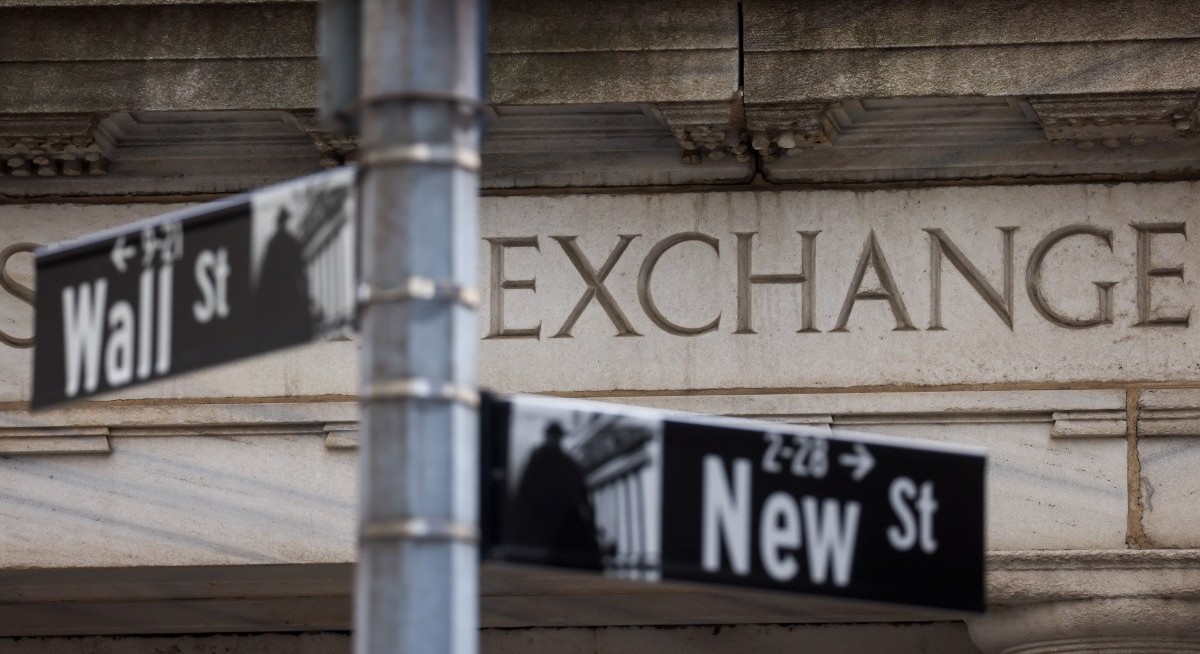


(July 4): Stocks rose on Friday as the latest round of jitters about the artificial intelligence (AI) trade subsided, with Europe’s benchmark rising to an all-time high. The dollar touched a two-week low while gold extended gains.
Nasdaq 100 futures rebounded 1.2% in holiday trading. South Korean memory giants SK Hynix Inc and Samsung Electronics Co also recovered, helping to drive a 2% rally in Asian shares. Europe’s utility and technology sectors outperformed to send the Stoxx 600 to a fourth week of gains.
Friday’s advance mark the latest turn in a stretch of choppy trading as markets grapple with whether the second quarter’s AI-driven rally has gone too far. With stocks recovering after a two-day rout in chipmakers, investors are waiting for the upcoming earnings season as the next signal of whether massive spending on AI infrastructure can translate into profits.
“The fundamentals are still very, very strong and the market is still underpricing them,” Tim Moe, an equity strategist at Goldman Sachs Group Inc, told Bloomberg TV. “There still is a lot longer to go in the overall positive profit environment for memory stocks and the AI hardware supply chain space overall.”

Gold rose 1.2% to around US$4,170 ($5,384.72) an ounce, the highest level in nearly two weeks, after money markets dialled back expectations for US Federal Reserve (Fed) interest rate hikes this year. The non-yielding metal is more attractive when rates are lower.
See also: Stocks stabilise after tech-led sell-off, gold up
The outlook for easier monetary policy also weighed on the dollar, which headed for its worst weekly performance since May. Meanwhile, the yen swung between gains and losses as speculation grew that Japanese authorities may be less predictable in how they intervene to support the currency.
Worries that persistent inflation pressures would leave the Fed little choice but to tighten policy have subsided in recent days, with oil prices easing and an unexpectedly sharp slowdown in US labour market growth. The first fully priced-in quarter-point Fed hike has moved back to December, from October.
“Unless and until we see clearer signs that the energy spike has filtered its way through to underlying inflation, we think that the Fed will opt for a cautious approach to policy tightening,” noted Matthew Ryan, the head of market strategy at Ebury.
See also: Expecting US markets to rise unabatedly may be Mission: Impossible
Brent steadied below US$72 a barrel as traders weighed the outlook for increased supply through the Strait of Hormuz and continuing talks between the US and Iran.
Meanwhile, nervousness about AI valuations has seen investors turning away from US stocks at the fastest pace since March, according to Bank of America Corp strategists.
The country’s stock funds had US$17.2 billion in outflows in the week through July 1, the team led by Michael Hartnett wrote in a note, citing EPFR Global Data. Investors turned to some international stocks instead, with Japanese equities seeing their biggest inflows in seven weeks at US$1.9 billion.
Some of the main moves in markets:
Stocks
- The Stoxx Europe 600 were up 0.7% as of 4.50pm London time
- S&P 500 futures rose 0.4%
- Nasdaq 100 futures rose 1.2%
- The MSCI Asia-Pacific Index rose 1.9%
- The MSCI Emerging Markets Index rose 2.2%
Currencies
To stay ahead of Singapore and the region’s corporate and economic trends, click here for Latest Section
- The Bloomberg Dollar Spot Index was little changed
- The euro was little changed at US$1.1440
- The Japanese yen fell 0.1% to 161.30 per dollar
- The offshore yuan was little changed at 6.7845 per dollar
- The British pound was little changed at US$1.3354
Cryptocurrencies
- Bitcoin rose 0.4% to US$61,775.08
- Ether rose 1.6% to US$1,730.67
Bonds
- The yield on 10-year Treasuries was little changed at 4.48%
- Germany’s 10-year yield advanced three basis points to 2.93%
- Britain’s 10-year yield was little changed at 4.78%
Commodities
- Brent crude rose 0.6% to US$72 a barrel
- Spot gold rose 1.1% to US$4,168.29 an ounce
Uploaded by Tham Yek Lee




