


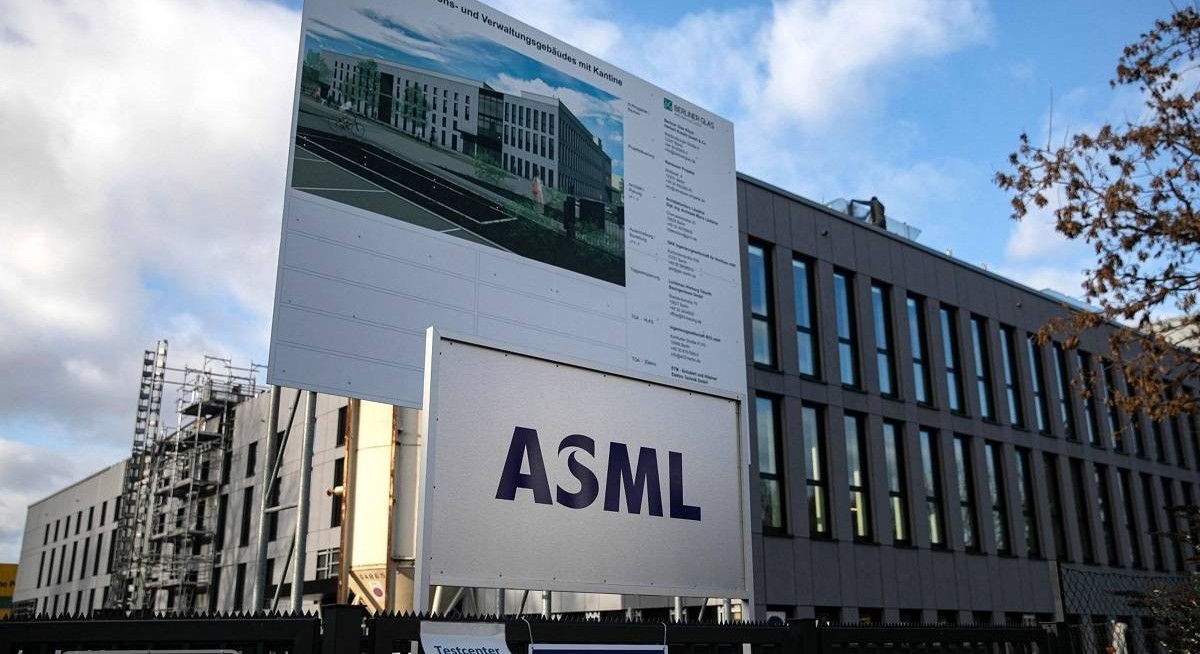


(Jan 28): Technology stocks drove most global indices higher on Wednesday after a sharp increase in orders at ASML Holding NV added fresh fuel to the artificial intelligence (AI) trade. The US dollar steadied after its worst performance since 2022.
Contracts on the Nasdaq 100 rose 0.9%. ASML jumped 6% after the chip-equipment maker’s fourth-quarter bookings far exceeded estimates. Europe’s benchmark wavered as tech gains offset losses in luxury stocks, with LVMH sliding more than 7% on weak sales. AI-linked shares also advanced in Asia after SoftBank Group Corp said it is in talks to invest US$30 billion ($37.83 billion) in OpenAI.
The dollar posted gains against all major peers. The currency had slumped to the lowest in nearly four years on Tuesday after US President Donald Trump said he wasn’t concerned about recent declines. Gold closed in on US$5,300, while Treasuries were slightly stronger.
The upbeat mood in stocks comes ahead of the US Federal Reserve’s (Fed) latest policy decision, with investors expecting interest rates to remain on hold and about two 25 basis-point cuts priced in for 2026.
“I think that the tech sector is likely to lift markets further, so the rally isn’t over yet,” said Claudia Panseri, the chief investment officer for France at UBS Wealth Management. “If one adds possible interest rate cuts from the Fed, that’s another positive factor moving forward.”

See also: Asian stocks set to climb after US CPI lifts mood
Stocks have climbed from last April’s lows, buoyed by lower rates and optimism that investments in AI will pay off. Another key test comes on Wednesday as the Magnificent Seven heavyweights begin reporting earnings.
With the economy still displaying exceptional strength, the Fed’s messaging is likely to emphasise a data‑driven approach to future policy decisions, according to Chris Brigati at SWBC. Investors will also look for any impact on the dollar.
While a weaker dollar boosts exports, the US has about US$39 trillion of debt, said Rob Kaplan, Goldman Sachs Group Inc's vice-chairman. When you have that much debt, stability of the currency trumps exports, Kaplan said in an interview with Bloomberg TV’s Stephen Engle in Hong Kong.
See also: BofA says anything-but-dollar trade to lift international assets
“The US is going to want to see a stable dollar and wants to see stability, and wants to be able to sell the long end of the Treasury curve,” Kaplan said. “A stable dollar helps.”
Corporate highlights:
- ASML’s orders in the fourth quarter exceeded analysts’ expectations, as the rapid development of AI infrastructure boosted demand for its cutting-edge chip-making machines.
- SK Hynix Inc reported its strongest quarterly results to date, underscoring the depth of an AI wave that’s triggered an unprecedented surge in memory demand.
- Sales at LVMH’s key fashion unit fell over the holiday season as the Louis Vuitton owner continued to suffer from sluggish demand.
- Volvo AB said truck demand is improving in some markets as customers return after months of weak freight conditions and policy uncertainty.
- Texas Instruments Inc, the biggest maker of analog chips, gave a strong revenue forecast for the current period, indicating that demand for industrial equipment and vehicles is beginning to rebound.
- Amazon.com Inc employees who have been anticipating lay-offs numbering in the thousands got one more thing to worry about late on Tuesday: a meeting invite and email from a top executive that was sent prematurely.
Some of the main moves in markets:
Stocks
- The Stoxx Europe 600 was little changed as of 8.26am London time on Wednesday
- S&P 500 futures rose 0.4%
- Nasdaq 100 futures rose 0.9%
- Futures on the Dow Jones Industrial Average were little changed
- The MSCI Asia-Pacific Index rose 1.1%
- The MSCI Emerging Markets Index rose 1.7%
Currencies
To stay ahead of Singapore and the region’s corporate and economic trends, click here for Latest Section
- The Bloomberg Dollar Spot Index rose 0.2%
- The euro fell 0.3% to US$1.1999
- The Japanese yen fell 0.2% to 152.45 per dollar
- The offshore yuan was little changed at 6.9397 per dollar
- The British pound fell 0.3% to US$1.3806
Cryptocurrencies
- Bitcoin was little changed at US$89,005.01
- Ether fell 0.6% to US$2,993.15
Bonds
- The yield on 10-year Treasuries declined one basis point to 4.23%
- Germany’s 10-year yield declined two basis points to 2.85%
- Britain’s 10-year yield was little changed at 4.52%
Commodities
- Brent crude was little changed
- Spot gold rose 2.2% to US$5,295.92 an ounce
Uploaded by Tham Yek Lee




