




That meeting is just one step in a broader process to approve projects that might tap into the fund. Subsequent steps include a review by an investment committee, which is chaired by US Commerce Secretary Howard Lutnick. Potential projects would be recommended by that panel to US President Donald Trump for a final decision.
The initial consultation committee will meet again next week and the projects could be presented to Trump early in 2026, the people said. The projects, their specific sectors and which US states are involved were not immediately clear.
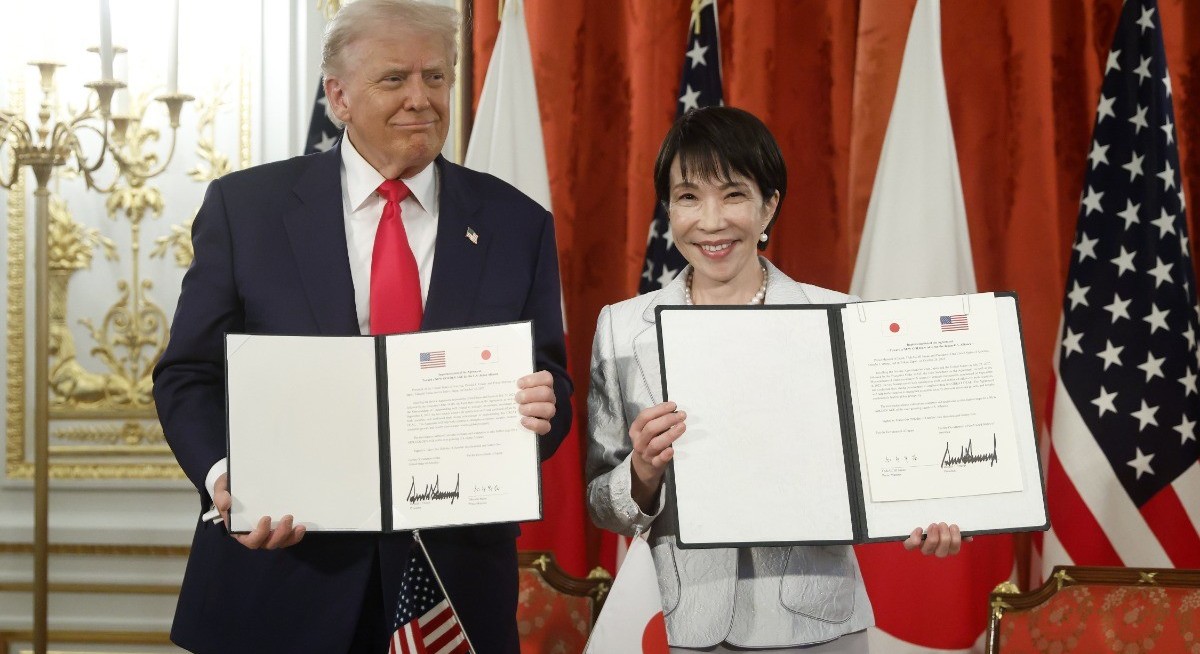
The investment fund was a crucial element of an accord reached earlier this year between the US and Japan to ease Trump’s tariffs on exports, with the deal reducing US duties to 15% on Japanese cars and setting levies on other goods at the same level. The two countries had initially discussed a US$400 billion fund before Trump pressed Tokyo to agree to the higher figure.
Japan may choose to not fund a project, but that would trigger a penalty clause in the memorandum of understanding potentially subjecting Tokyo to higher US tariffs and threatening the overall accord.
See also: BYD joins wave of firms challenging Trump’s tariffs in US court
The energy projects are the first initiatives to begin formally advancing to selection, the people said. In their memorandum of understanding, the countries agreed that investments should be made up until Jan 19, 2029, the last full day of Trump’s current term.
The fund intends to advance economic and national security interests by investing in semiconductors, pharmaceuticals, metals, critical minerals, shipbuilding, energy, artificial intelligence and quantum computing, according to the memorandum of understanding between the two countries.
Uploaded by Tham Yek Lee




