




CPI was below the 3.5% expected by economists and the BOE’s prediction of 3.4%. The pound fell after the data, as much as 0.7% to US$1.3332 — the biggest decline in a month. Traders ramped up bets on lower rates in the coming months, fully pricing in two cuts by the end of April.
Wednesday’s data showed services prices, a closely watched indicator of the domestic picture, rising 4.4%, slightly better than the 4.5% the BOE had expected at this stage.


See also: Saudis plan revised strategy for US$2 trillion economic agenda
Paul Dales, chief UK economist at Capital Economics, said inflation “is fading much faster than everyone thought.” He added that the easing “will surely be enough to prompt the governor of the Bank of England to reach into his big bag tomorrow and give borrowers the early Christmas present of a cut in interest rates.”
Governor Andrew Bailey is expected to cast the deciding vote at this week’s meeting with the rest of the MPC split equally between four hawks and four doves.
The figures give the BOE a final glance at inflationary pressures before tomorrow’s decision, with economists and markets expecting it to resume the rate cutting cycle. While the Monetary Policy Committee (MPC) skipped moves in September and November, evidence that inflation and the economy are on a downward trajectory has built since the last meeting.
See also: Australia places tariff on Chinese steel frames, citing dumping
Unemployment rose to 5.1% in the three months through October, data on Tuesday showed, the highest rate in almost five years. Private sector wage growth fell below 4% for the first time since 2020.
Furthermore, figures last Friday revealed that the economy contracted for a second straight month in October amid speculation ahead of the Nov 26 budget. Chancellor of the Exchequer Rachel Reeves welcomed the drop in CPI on Wednesday, having said her budget — which included a freeze on rail fares, cuts to household energy bills and relief for drivers on fuel duty — was focused on easing the cost of living for voters.
Early analysis by the BOE suggests that the policies will reduce the annual inflation rate by as much as half a percentage point next spring.
Bailey sided with the hawks in November, saying he wanted more evidence of retreating price pressures. This time, he is expected to vote with the doves due to mounting signs that the economy has struggled in the second half of the year.
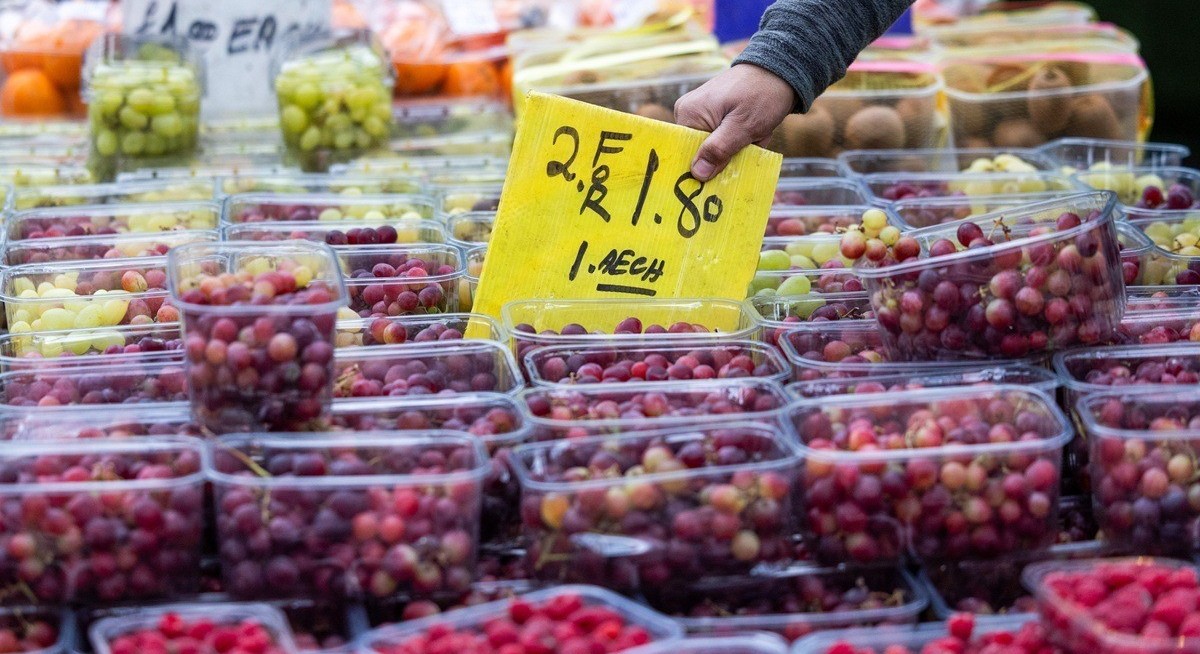
The data showed prices pressures cooled across the board with only the communications category providing an upward lift. Food inflation cooled to 4%, down from 4.8%, while growth in alcohol and tobacco prices fell to 4% from 5.9%. Clothing and footwear prices fell 0.6% compared to a year earlier.
“Tobacco prices also helped pull the rate down, with prices easing slightly this month after a large rise a year ago. The fall in the price of women’s clothing was another downward driver,” said ONS chief economist Grant Fitzner.
Uploaded by Liza Shireen Koshy




