


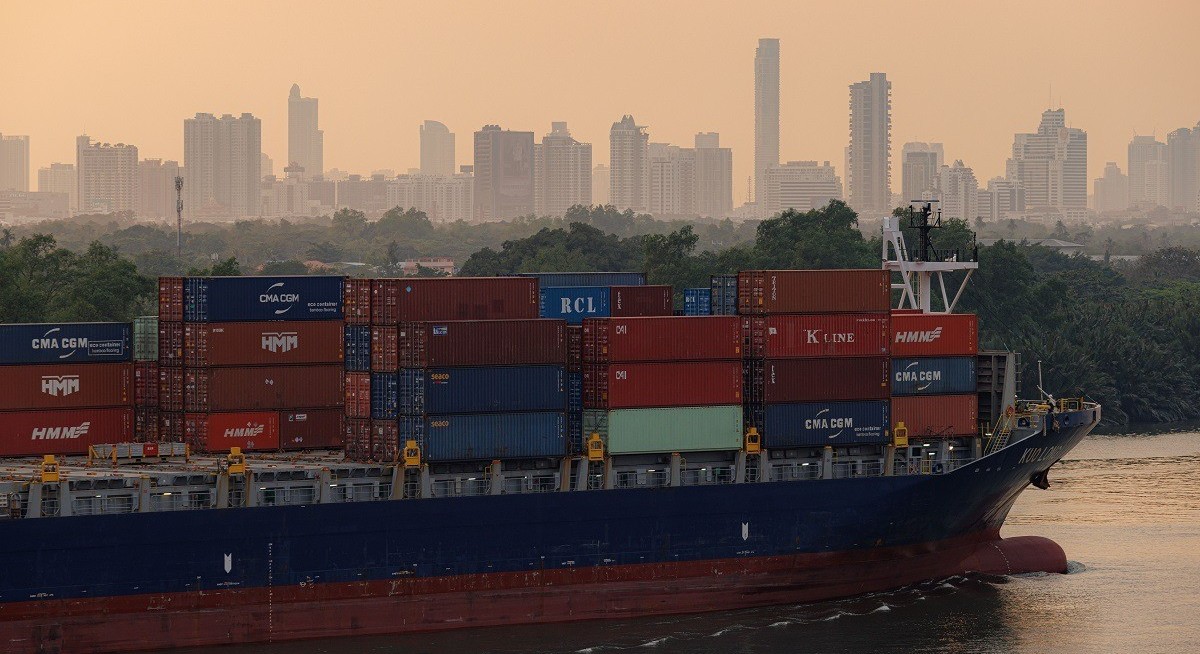


The country’s exports grew just 7.1%, missing estimates, while overall imports jumped 17.6%, exceeding expectations.
A sustained trade deficit threatens to weigh on Thailand’s growth as a stronger baht undermines export competitiveness. With exports accounting for more than half of gross domestic product, the economy is highly exposed to currency strength and shifts in global demand.
Thai shipments to the US, the country’s largest export market, jumped 38% in November from a year earlier to US$6.47 billion as investment in artificial intelligence infrastructure boosted demand for electronic products and parts, according to the commerce ministry. Shipments of those products surged 157% from a year earlier to US$5.24 billion.
Prime Minister Anutin Charnvirakul has pushed to improve Thailand’s trade terms with the US while managing ties with President Donald Trump, who has sought to press Bangkok into a peace deal with neighboring Cambodia. With elections in February, Anutin has resisted concessions over the border dispute, with his government saying Trump agreed to keep peace talks separate from trade negotiations.
See also: Trump says Rubio in talks with Cuba as it faces economic crisis
The baht this week rose to its strongest level against the greenback in more than four years, a move authorities have largely blamed on a rally in gold prices. The currency held a loss of 0.2% against the dollar after the release of trade data.
“We have a great concern about the strong baht as it has significantly affected some of our key exports especially agricultural products and goods,” Nantapong Chiralerspong, director general of the Trade Policy and Strategy Office, told a news briefing.
Nantapong defended the trade shortfall, saying most imports were capital goods and raw materials used to support higher production of export goods. Imports of capital goods in November jumped 19% to US$8.17 billion, while raw materials and semi-finished products climbed 30% to US$14 billion.
See also: Indian stocks face fresh pressure after central bank action
Exports are projected to grow between 11.6% and 12.1% this year, depending on the baht’s strength and electronics shipments in December, Nantapong said. Next year, growth is seen ranging from minus 3.3% to an expansion of 1.1%, pressured by factors including US tariff negotiations.
To stem the baht’s strength, the finance ministry and central bank said this week they are considering new taxes and trading curbs on some gold transactions.
The commerce ministry has tightened oversight of product origins and cracked down on illegal foreign business proxies to head off potential trade tensions with the US over transshipped goods from China, Nantapong said.
Uploaded by Magessan Varatharaja




