


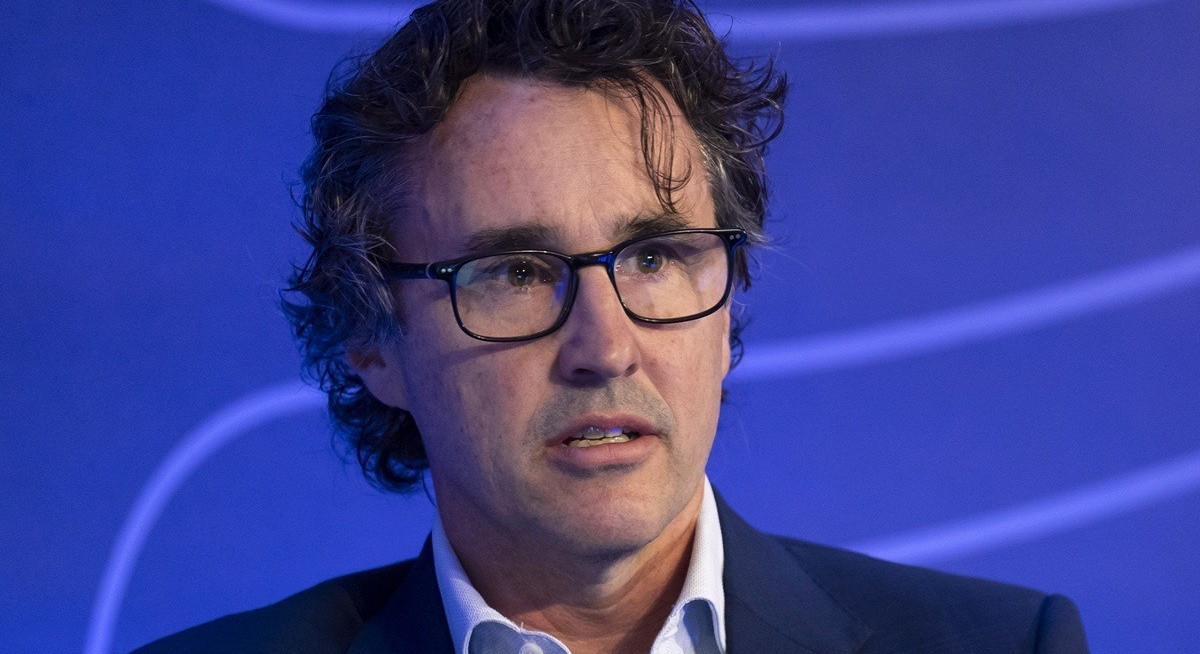


“It is about focusing on what, for us, are the greatest opportunities,” said Trott, who took the helm in August. “If you try and do everything, you get nothing done.”
Laying out a string of key growth and cost-saving targets, the group said it would release US$5 billion to US$10 billion in “cash proceeds” from its asset base by divesting, selling minority stakes and restructuring some existing financing. Those funds would be reinvested in the group, Trott said.
Assets under review include the group’s titanium and borates businesses.
“They’ve alluded to the sale and lease back of infrastructure such as power stations, desalination plants and other infrastructure,” said Glyn Lawcock, head of metals and mining research at Barrenjoey Markets Pty Ltd in Sydney. “There’s a cost of capital arbitrage there. I think Trott is on the right track.”
See also: US changes India trade deal statement, sparking confusion
The group said it would trim average operating unit costs by 4% annually until the end of the decade. Other improvements included US$650 million of productivity benefits by the end of the first quarter of next year, as it simplifies internal operations and pauses non-core projects and studies.
Trott, who previously ran Rio’s iron ore division, aims to sharpen an organisation that critics argue became bloated in recent years, especially in support functions. He has cut back divisions, shed some senior staff, and moved to offload or shutter non-core businesses.
Uploaded by Liza Shireen Koshy




