


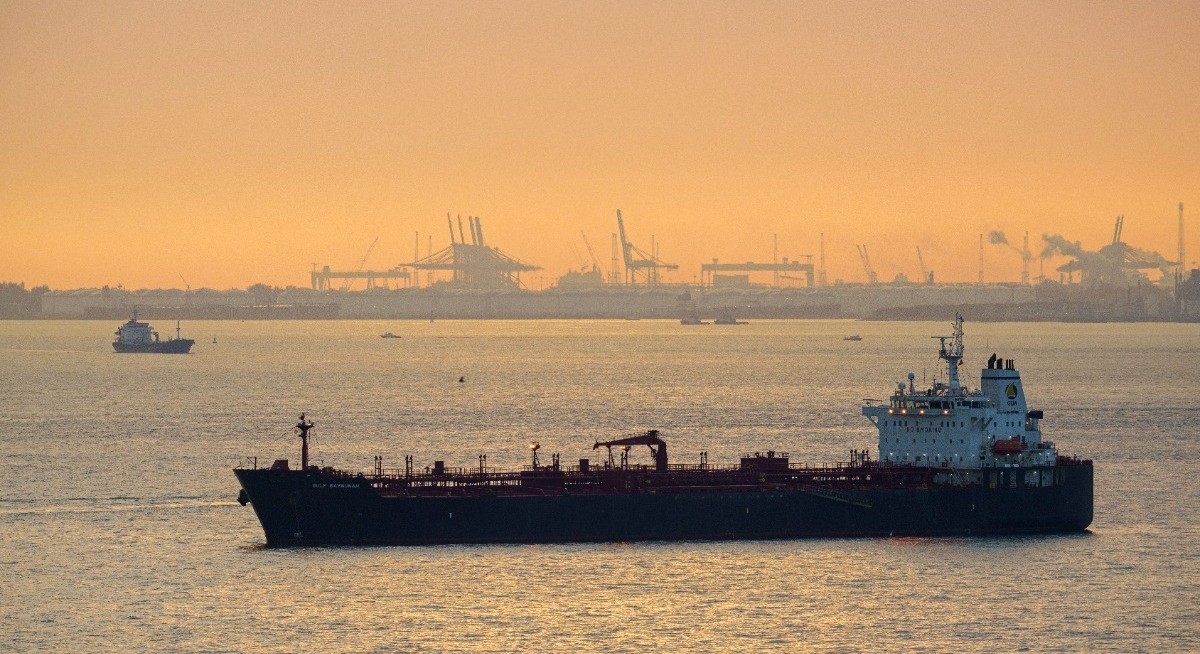


(May 30): Qatar opposes permanent legal fees for transit through the Strait of Hormuz, but a temporary toll is negotiable and could help restore normal passage through the key waterway, a top official said.
A permanent fee would impact consumers and Qatar objects to any move to impose them, Deputy Prime Minister Sheikh Saoud bin Abdulrahman Al Thani said at an Asian defence conference in Singapore on Saturday. However, short-term charges used for mine clearing or similar purposes can be considered, he said.
The comments were in response to a question about talks between Iran and Oman to impose a permanent toll system to formalise control of maritime traffic through Hormuz, one of the world’s most important trade routes. Iran has effectively closed the waterway in response to US-Israeli airstrikes that began late February, triggering an energy crisis.
“Qatar and also the partners in the Gulf stated very clearly that charging fees will always impact the consumer, so we are against this,” Sheikh Saoud said at the Shangri-La Dialogue. “But for certain times that they say they will use it for mine-clearing or some usage of the fees for a temporary time, this is something that is negotiable.”
The US, Europe and Middle East nations like the United Arab Emirates have rejected the notion of any tolls for passage through Hormuz.
Iran has retaliated against the US strikes by hitting its military allies in the Gulf, including Qatar, with drones and missiles. Qatar is trying to balance its ties with both nations, and seek consensus within the Gulf Cooperation Council on a comprehensive strategy to deal with Iran, the deputy prime minister said.
See also: Canada aims to boost China trade as Wang makes first visit in decade
“We want to set up a clear strategy and a clear approach with Iran in order to have a strategy for all the relationships that we have with Iran, including the trading strategy and also the political strategy,” Sheikh Saoud said.
Uploaded by Chng Shear Lane




