


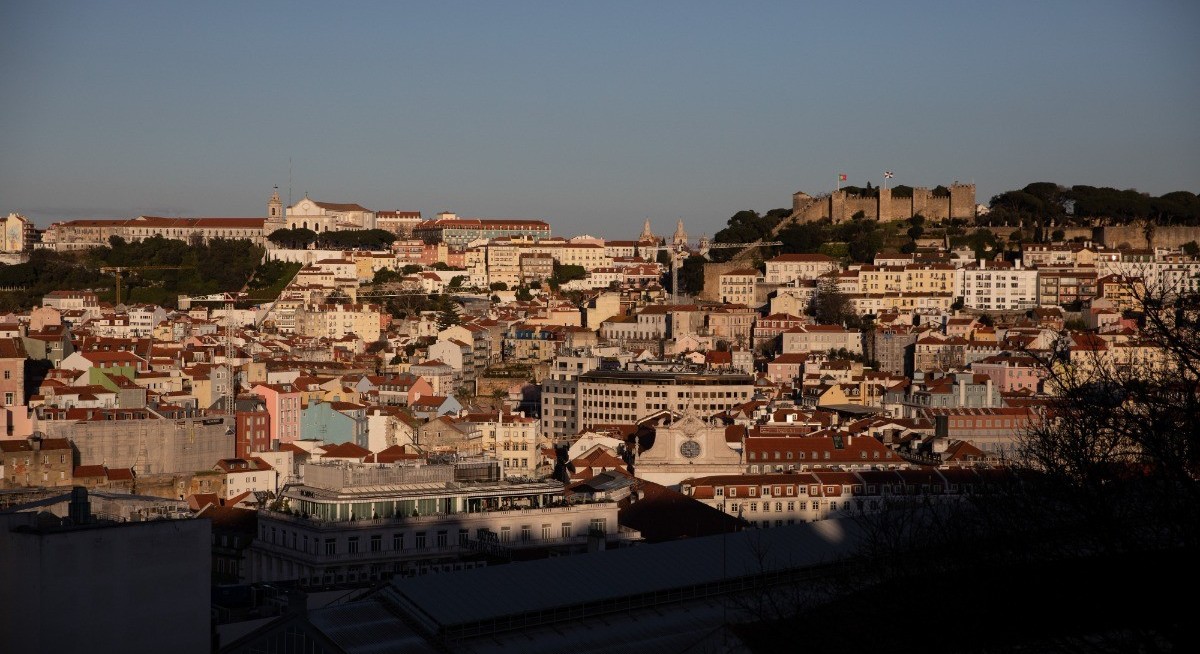


The figures add to the pressure on Prime Minister Luís Montenegro to confront a deepening affordability crisis fuelled by record immigration, constrained supply and a decade-long erosion in access to housing. Portugal saw the steepest decline in affordability across the OECD in the past ten years, as home prices outstripped wage growth. Social housing accounts for just 1.1% of the housing stock, one of the lowest shares in the bloc.
There were a record 1.5 million foreigners residing in Portugal in 2024, accounting for about 15% of the country’s total population.
Montenegro’s centre-right government has pledged roughly €1.2 billion in 2026 to tackle the crunch and plans income-tax cuts aimed at easing the burden on lower-income families. It also secured a €1.34 billion loan from the European Investment Bank to build and renovate about 12,000 homes nationwide to be rented at affordable rates — a rare boost to supply in a market desperately short of it.
Uploaded by Felyx Teoh




