


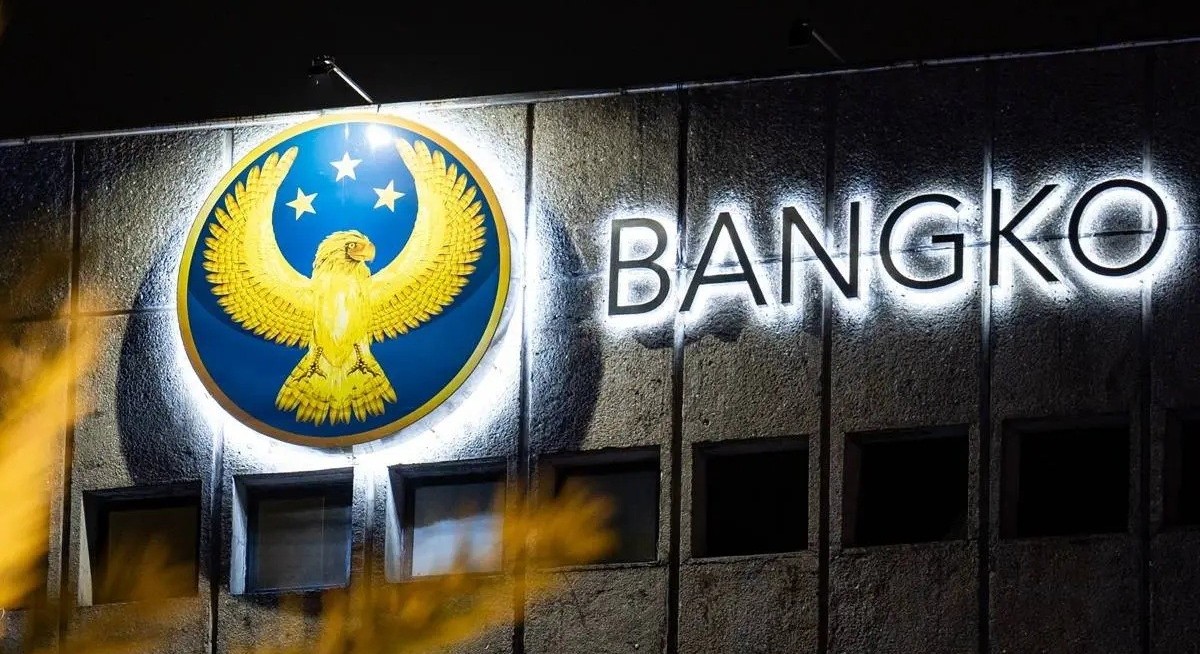


(Feb 19): The Philippine central bank reduced its benchmark interest rate for a sixth straight meeting, as the fallout from a massive corruption scandal dragged economic growth to its slowest pace in 14 years outside the pandemic.
The Bangko Sentral ng Pilipinas (BSP) reduced its target reverse repurchase rate by a quarter of a point to 4.25% on Thursday, as predicted by 24 of 26 economists in a Bloomberg News survey. Two had expected the rate to remain unchanged.
“Economic growth has undershot the BSP’s expectations due to weaker domestic demand,” the central bank said in a statement. “Latest indicators point to a recovery in the second half of the year, but growth will depend largely on how quickly confidence recovers.”
The latest move brings the BSP’s cumulative cuts to 225 basis points in a lengthy easing cycle that began back in August 2024. Policymakers are banking on lower borrowing costs to help spur consumer and business confidence following reports of widespread graft in the government’s infrastructure projects.
The corruption scandal involving billions of dollars in fraudulent flood-control allocations was the main drag on economic growth last quarter. It slumped to 3%, one of the weakest in Southeast Asia.
The BSP said that inflation forecasts this year have risen slightly due to supply-side pressures, which will likely be temporary. Price expectations remain firmly anchored, and inflation is seen to return close to the 3% target by 2027.
See also: IMF warns China’s economic policies are 'causing damage to others'
The inflation rate rose to 2% in January, marking its highest in nearly a year and returning to the central bank’s target range of 2%-4%. The BSP sees oil and power costs driving an inflation uptrend in the first half of the year before stabilising.
“The monetary board will continue to be vigilant and guided by incoming information, specifically data on inflation,” it said.
BSP governor Eli Remolona signalled last week that interest rate cuts may be nearing their end, saying there’s “not a lot” more that monetary authorities can do to support growth at this point.
Uploaded by Tham Yek Lee




