


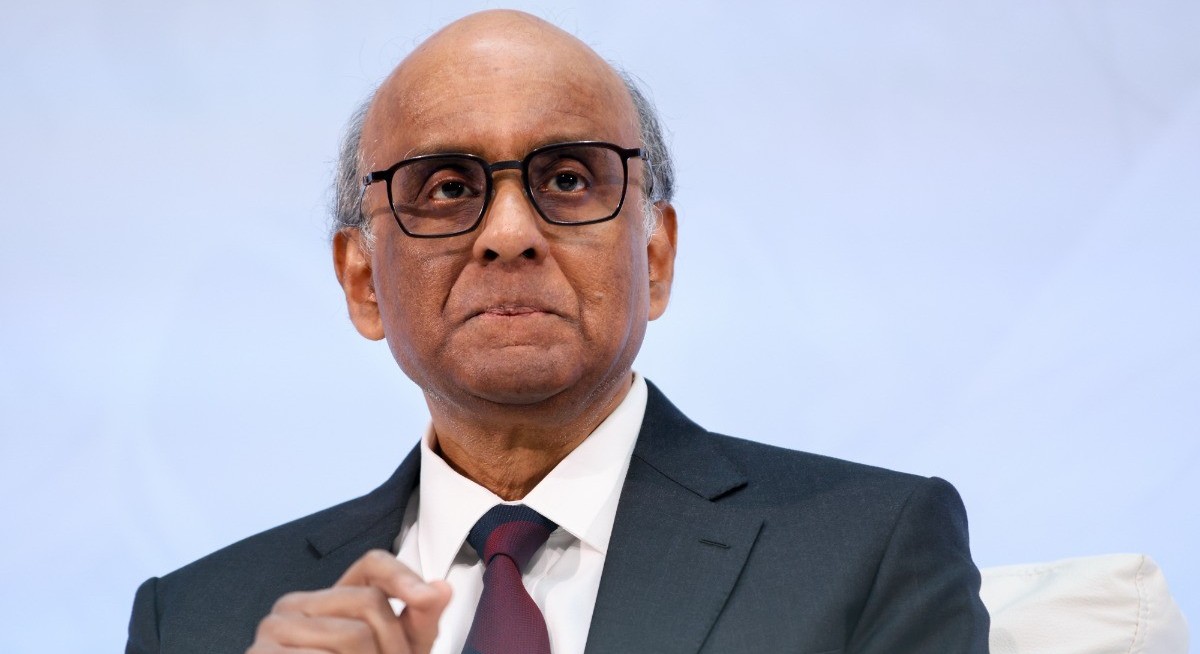


(March 18): A prolonged conflict in the Middle East will heighten the risk of a “major economic downturn” and increased inflation, adding a new stress point in financial markets that were already under strain, President Tharman Shanmugaratnam of Singapore wrote in a Facebook post.
“Yet these economic problems are not the gravest challenge we face,” Tharman said. “We are looking at a long storm of global political instability.”
Israel and the US maintained their bombardment of Iran on the 19th day of a war that shows no sign of an imminent de-escalation. The conflict has upended financial markets and global energy flows, particularly due the effective shuttering of the Strait of Hormuz.
Recent years have been marked by a “growing resort to wars and destruction, disregard for the UN Charter, and discounting of international humanitarian law”, Tharman wrote, referring to the United Nations.
The closure of the strait is causing problems beyond higher oil and gas prices, he said. Reduced shipments of fertilisers will affect food supply and prices and many other critical commodities like aluminium and helium.
While the role is largely ceremonial, Singapore’s elected president has the power to veto any drawdown on the country’s sizeable but publicly undisclosed reserves. He said that provides “strategic buffers” that will help the nation cope with major crises.
See also: Bentley to cut jobs as US tariffs and China slump hit carmaker
Uploaded by Tham Yek Lee




