


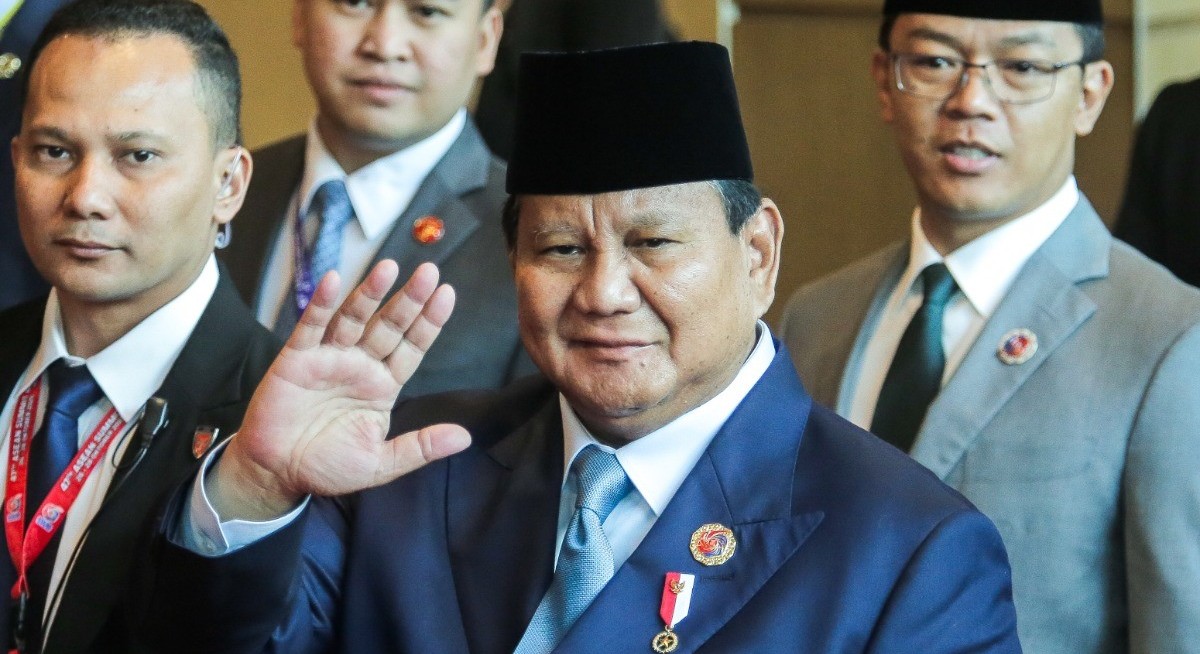


The trade agreement will be signed by both Indonesian President Prabowo Subianto and US President Donald Trump, with the Indonesian leader expected to travel to the US at the end of January, said Dwisuryo Indroyono Soesilo, the Indonesian ambassador to the US at the same briefing.
The rupiah and government bond yield were little changed after the report, while Indonesian stocks slipped 0.3% on Tuesday. The currency is Asia’s second-worst performer in 2025, having declined 4%.
“That should take away one of the uncertainties that has been a drag on the rupiah,” said Christopher Wong, a currency strategist at Oversea-Chinese Banking Corp (OCBC). He added that a meaningful recovery in the currency would require improvements in domestic growth and fiscal conditions, as well as the return of foreign capital.
The US is one of Indonesia’s top trading partners, contributing the largest non-oil and gas trade surplus of US$17 billion ($21.88 billion) last year, according to official data. Indonesia’s main exports to the US include electronics, textiles, fishery products, footwear and palm oil.
See also: Indian stocks face fresh pressure after central bank action
The US has agreed to exempt tariffs on Indonesian key products including palm oil, cocoa, coffee and tea, said Hartarto, Indonesia’s lead negotiator. The US gets more access to Indonesia’s critical minerals, Hartarto said.
Hartarto said the substance of the draft agreement is broadly in line with the framework that was reached by both countries’ leaders in July. It mainly affects labour-intensive industries that employ an estimated five million workers in the nation.
Under the July accord, Indonesia was to eliminate tariffs on over 99% of US goods and remove non-tariff barriers, in exchange for the US reducing tariffs on Indonesian products from a threatened 32% to 19%. Indonesia had also agreed to purchase roughly US$19 billion in American products, including 50 Boeing Co jets and agricultural goods.
See also: Thailand beats growth estimates in boost to new government
Earlier this month, negotiations were said to have hit sticking points. US officials claimed Indonesia had backtracked on its commitments, while Jakarta resisted US demands that it feared could limit its autonomy in engaging in strategic trade and investment agreements with other countries.
Similar concerns over sovereignty emerged in a recent US deal with neighbouring Malaysia. Of particular concern for Indonesia was the potential impact on the critical mineral and energy sector, and its commerce with China and Russia.
“No Indonesian policies are restricted by this agreement,” Hartarto said, when asked about the US demands. The latest negotiations mainly involving linguistic harmonisation, as is normal in reaching a trade agreement, he said.
The deal between Indonesia and the US “is commercial and strategic in nature and benefits the economic interests of both countries equally”, Hartarto said.
Uploaded by Tham Yek Lee




