




(June 15): The International Monetary Fund (IMF) said it remains on “high alert” over fallout from the Middle East war on the global economy, warning that energy supplies will take time to recover even as the US and Iran announced an agreement to reopen the Strait of Hormuz.
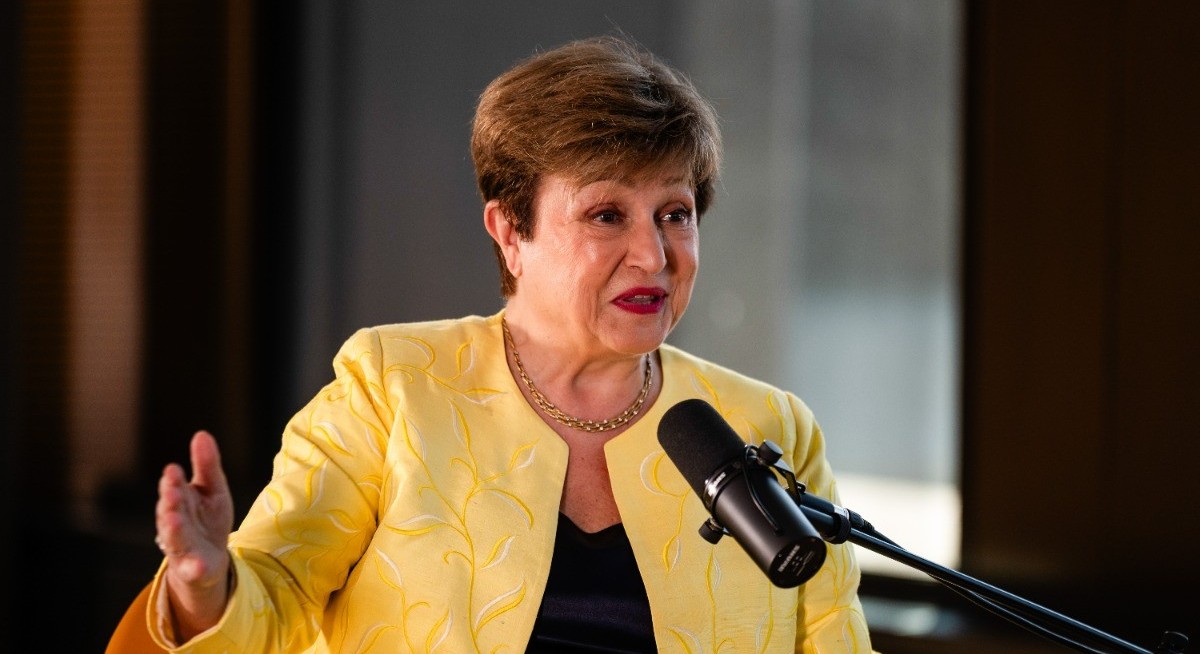
“That the global economy is so far weathering the shock is cause for reassurance — but not complacency,” IMF Managing Director Kristalina Georgieva wrote in a blog post published Monday. “Commodity prices, inflation and expectations for it, and financial conditions have all been impacted,” she said, “but not yet in ways that signal a global slowdown.”
The US and Iran say they’ve reached an interim peace agreement to reopen the strait more than three months after the conflict began with US-Israeli attacks. Full details of the accord aren’t yet clear.
For the global economy, the impact of energy shortfalls over the past few months was cushioned by technological advancements, Georgieva said, highlighting investments in artificial intelligence and data centres.
“The US is benefiting from this global technology cycle, as are economies in Asia that have seen stronger technology exports,” she wrote. “Most countries, however, are yet to feel the productivity and growth impact of technology, leading to concerns about further economic divergence.”
She said the IMF is providing financial assistance to countries that need it as a result of the energy shock, including Bangladesh, which requested a new programme, and Ethiopia, which asked to bring forward financing to this year.
See also: ECB's Lagarde says energy-price hikes spreading through economy
“For now, most member countries are asking for clear, candid policy guidance rather than financial support,” Georgieva said.
Uploaded by Chng Shear Lane




