


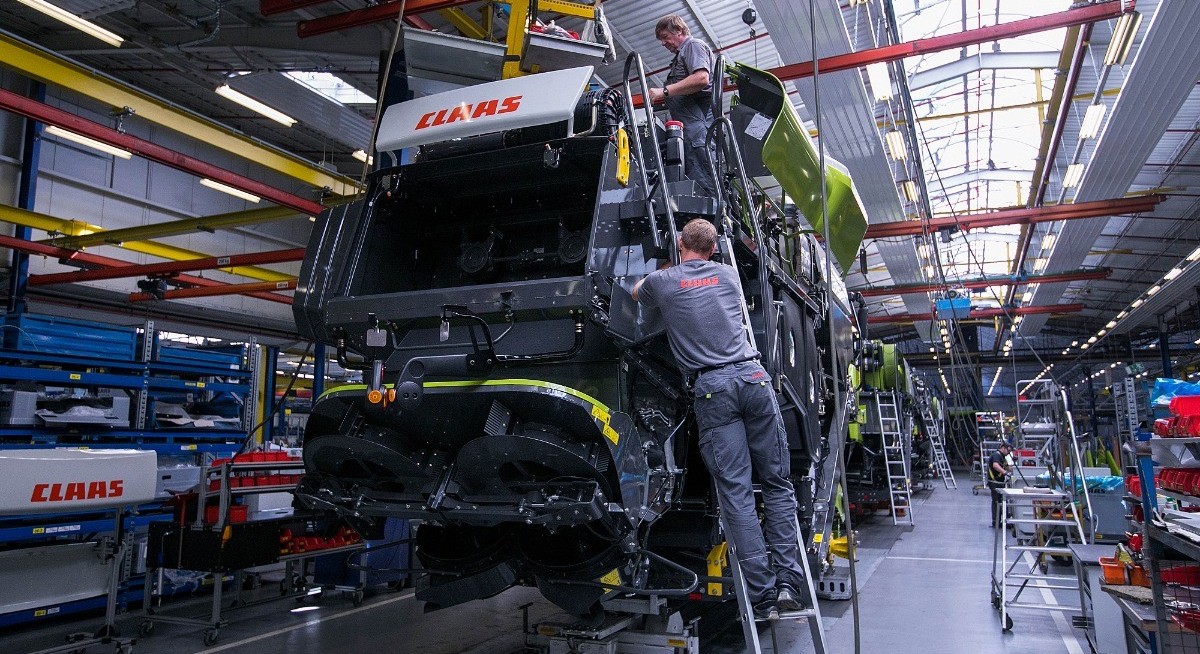


(Feb 5): German factory orders unexpectedly rose at the fastest pace in two years, supporting expectations of a recovery in the key manufacturing sector.
Demand increased 7.8% in December, more than predicted by a single economist in a Bloomberg survey. Even without large-scale orders, the gauge would have improved 0.9%, the statistics office said on Thursday. The fifth monthly gain defied the median estimate in the Bloomberg poll, where analysts had predicted a 2.2% decline.
A rebound in industrial activity is seen as crucial for a sustainable recovery in Europe’s largest economy, which only narrowly avoided a triple-dip recession in 2025. Chancellor Friedrich Merz, who’s made reviving growth a priority for his ruling coalition, called this “unsatisfactory”.
The government predicts gross domestic product will rise 1% this year, mainly thanks to a jump in outlays on infrastructure and defence. The Bundesbank and some analysts are even more optimistic, with Deutsche Bank forecasting 1.5% growth.

Some support is also expected from lagged effects of previous European Central Bank interest-rate cuts. Officials in Frankfurt will conclude their first policy meeting of 2026 later on Thursday, with no change in borrowing costs likely.
See also: UK builders hopeful of turnaround as PMI shows economy improving
Risks for Germany’s economy remain, however — including jolts in US President Donald Trump’s trade stance and fiercer competition from China.
On top of that, the country is still suffering from longer-standing structural issues like excessive red tape and a lack of skilled workers. Bundesbank president Joachim Nagel and many economists are calling on Merz to deliver on promises to slash bureaucracy and boost competitiveness.
Domestic demand was primarily responsible for the jump in factory orders, the Economy Ministry said in a statement.
See also: Prabowo names ex-central banker as deputy finance minister

“For several months now, large domestic orders — particularly in connection with public procurement as part of the modernisation of the German armed forces and orders under the Special Fund for Infrastructure and Climate Neutrality — have been causing fluctuations in monthly orders,” it said.
At the same time, “the order intake from abroad has tended to be weaker and subject to greater fluctuations in view of trade and geopolitical uncertainties,” the ministry said.
German industrial production numbers are due on Friday, with economists predicting a slight decline of 0.3%.
Separate data showed that manufacturing in neighbouring France weakened in December. Both industrial and factory production fell from a month earlier as aeronautical manufacturing slumped, statistics office Insee said.
Uploaded by Felyx Teoh




