


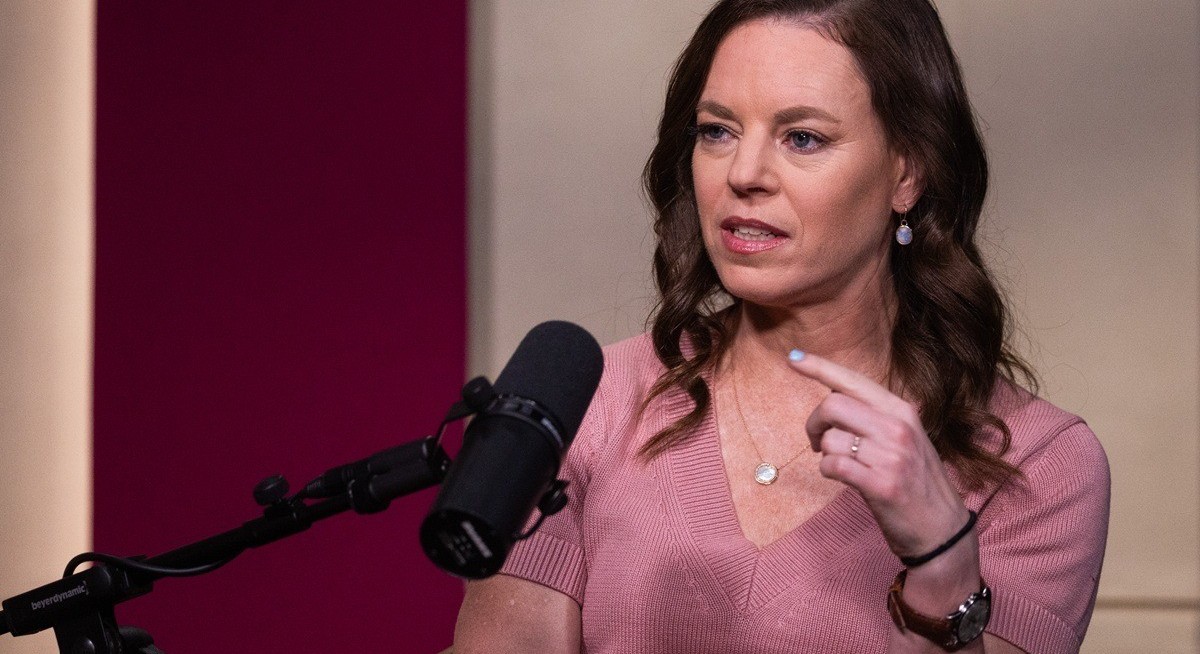


(May 11): Bank of England (BOE) rate-setter Megan Greene said it’s worth waiting to see how the Iran war develops before deciding whether to hike interest rates, as she warned the risks to inflation are “entirely on the upside”.
Britain’s weak economy and loose labour market should limit second-round price effects from the global energy shock, she said, albeit adding that progress on inflation was stalling even before the conflict erupted.
“It’s worth waiting for a little while to see what happens with the progression of this war and therefore see what we can infer about how it will propagate through the economy before we make a move,” she told Bloomberg’s Odd Lots podcast. “We’ve now had a negative supply shock, an energy shock, and that stands to push inflation up and growth down, which is a terrible situation for a central banker to be in.”
Greene held off backing an immediate rate rise last month in an 8-1 decision to leave borrowing costs unchanged. However, she was one of several rate-setters to signal she’ll consider a hike in the future as officials try to determine whether the inflation spike will trigger a more concerning feedback loop in prices.
The BOE entered the war judging that policy was still in restrictive territory with a subsequent tightening in financial conditions in markets also buying the rate-setters more time. Greene believes there were “already some signs of some persistence from previous shocks left in the economy” before the war.
“In my view, the risk is entirely on the upside though. There’s kind of a ratchet here,” she said. “The risk to energy prices and also second-round effects are probably on the upside rather than the downside.”
See also: Job market for recruiters shows UK weakness, US strength
On her decision to hold rates, Greene said “a big contribution was that we are going to get some news over the next six weeks or so.”
“A lot of that news will not be definitive evidence of second round effects, but it will be evidence about energy prices, which are a big feed into what’s going on with the economy and with inflation,” she said.
The BOE may also have to consider any consequences of political turbulence in the UK, where Prime Minister Keir Starmer faces a potential challenge to his leadership. The prospect of a more left-wing Downing Street has lifted gilt yields at various stages of the long-running saga, which could now be approaching its climax.
Uploaded by Liza Shireen Koshy




