


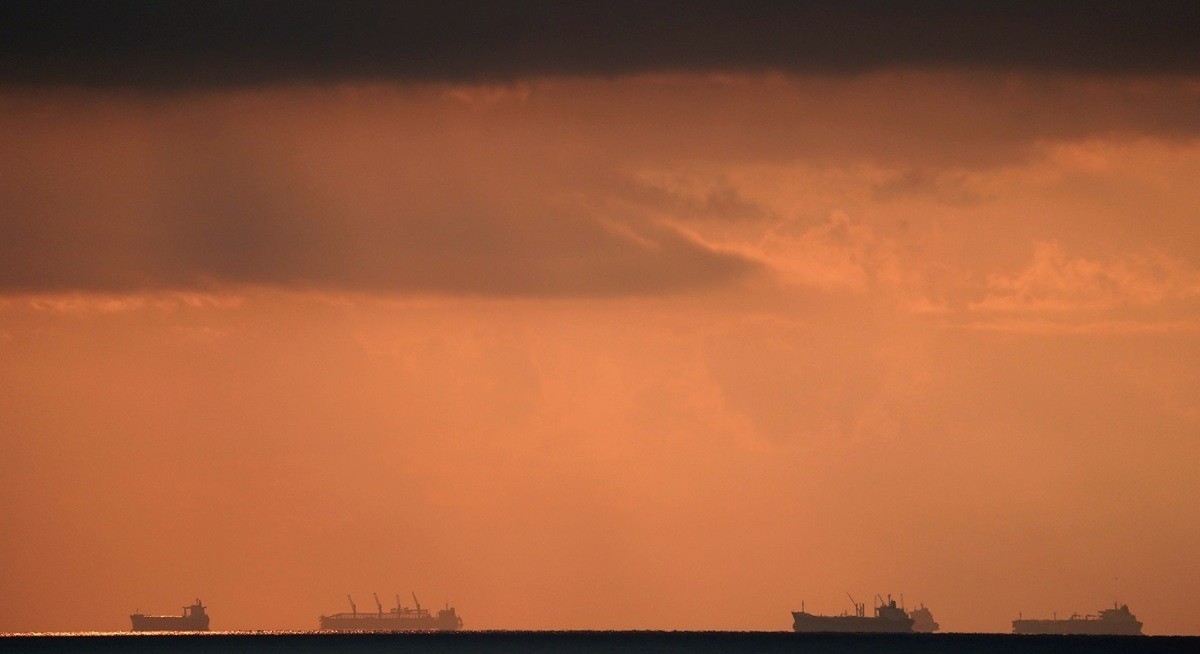


(May 8): American forces responded to Iranian attacks on Navy destroyers as they were sailing in the Strait of Hormuz on Thursday, US Central Command said.
Iran’s assault on three US warships involved “multiple missiles, drones and small boats,” according to a Centcom statement, which added that “no US assets were struck.”
The US forces “eliminated inbound threats and targeted Iranian military facilities responsible for attacking US forces including missile and drone launch sites; command and control locations; and intelligence, surveillance and reconnaissance nodes,” according to the Centcom statement, which did not identify specific targets of the American strikes.
The military command added that it “does not seek escalation but remains positioned and ready to protect American forces.” The White House referred reporters to the Centcom statement on Thursday evening.
President Donald Trump called the military action a “love tap” in a telephone interview with ABC News, and said that the ceasefire with Iran was still “in effect.”
The latest clash heightens tensions in the region as the US attempts to exit a war now in its third month. The Trump administration has been waiting on Iran to respond to its proposal to reopen the Strait of Hormuz and end a war that’s killed thousands of people and triggered a global energy crisis.
See also: US, Iran wrangle over terms of deal to end war and reopen Hormuz Strait
Iran’s leaders hadn’t indicated whether they’ll accept the terms of the offer, though they’ve previously shown little sign of yielding on their nuclear program and accepting a moratorium on enriching uranium — both top American demands.
Stocks fell and oil whipsawed earlier Thursday amid doubts that a deal could be reached and the vital Strait of Hormuz reopened.
In a bid to ease the crisis, Trump had announced “Project Freedom,” an initiative to help ships transit the strait, before abruptly suspending it. Saudi Arabia and Kuwait have lifted restrictions on the US military’s ability to use regional bases, the Wall Street Journal reported Thursday, indicating that could allow the Trump administration to restart the effort to ease traffic through the strait.
See also: Nato nations bracing for Trump to pull more troops from Europe — Bloomberg
A Central Command official referred to the Saudi and Kuwaiti governments on the reporting around the bases. Responding to whether Project Freedom would be restarted, the official declined to speculate on future operations. The Kuwaiti and Saudi embassies did not respond to requests for comment.
Washington has relayed a one-page memo to the Islamic Republic that could reopen the strategic Strait of Hormuz and lift the US blockade of Iranian ports, according to the person familiar with the matter. That would set the stage for a month of talks aimed at securing a final agreement to bring the 10-week conflict to a close.
Iran is expected to send a response via Pakistan, acting as a mediator, in the next two days, a person familiar with the matter said on Wednesday, asking not to be identified discussing sensitive information. Iran’s state-affiliated news agency ISNA said reports on elements of the proposal amount to “media speculation and atmosphere-building,” adding that nuclear enrichment is not part of the current discussions.
Trump has come under intense domestic and international pressure to wrap up the conflict, with polls showing a growing distaste among Americans, six months from midterm elections in which energy costs will be a central focus. Gasoline prices breached US$4.50 a gallon for the first time since July 2022, according to the American Automobile Association.
Adding further urgency for a resolution, Trump is set to meet Chinese President Xi Jinping May 14-15 in Beijing. The summit already has been rescheduled once because of the war, which has triggered a global energy crisis hitting top importers of Gulf crude, including China.
Trump said Wednesday the US was “going to get” the Islamic Republic’s stockpile of highly enriched uranium as part of the agreement, though there’s been no indication Tehran is willing to make that concession.
Other outstanding issues include limits on Iran’s ballistic missile program and its support for allied militant groups such as Lebanon’s Hezbollah. Israel said it killed a Hezbollah commander in a southern suburb of Beirut, its first strike on the city since a ceasefire began in Lebanon last month.
To stay ahead of Singapore and the region’s corporate and economic trends, click here for Latest Section
Those are priorities for Israel, whose officials struck a cautious tone on the latest US push to wind down the campaign against Iran. Ambassador to the United Nations Danny Danon told Army Radio on Thursday that “we need to wait and not come out with declarations and headlines” about a potential deal.
Prime Minister Benjamin Netanyahu said Israel was in close coordination with the US on peace efforts with “no surprises.”
Uploaded by Isabelle Francis




