


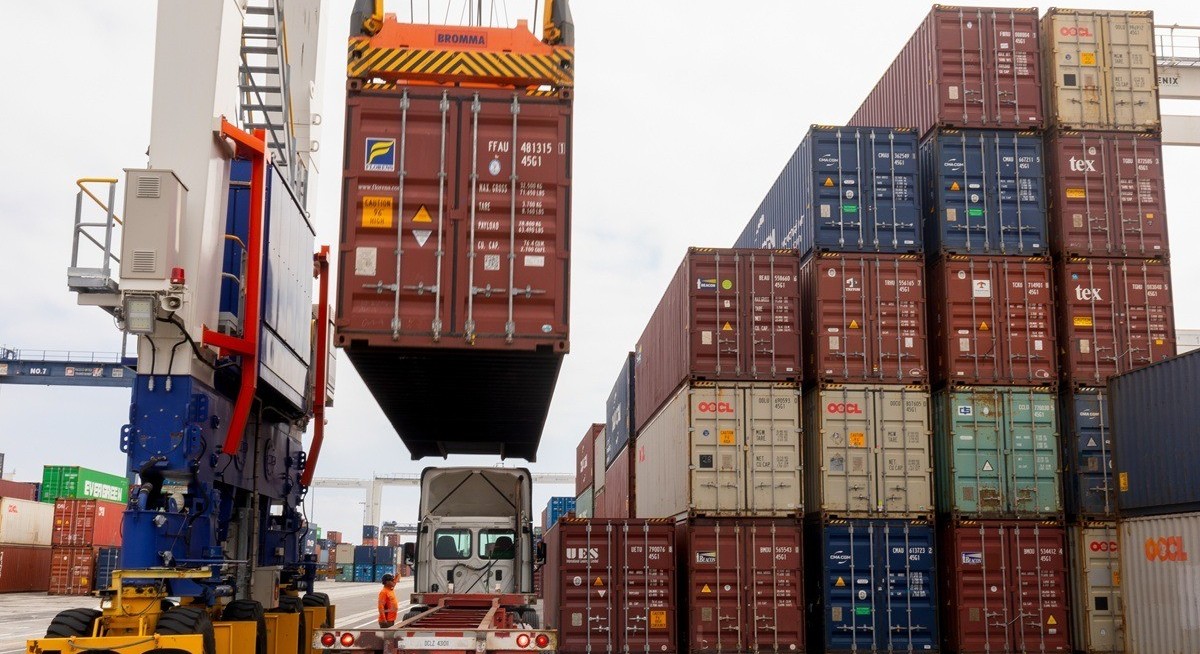


(Jan 19): The European Union is in talks to potentially impose tariffs on €93 billion (US$108 billion or $138.8 billion) of US goods if President Donald Trump follows through on his threat to hit European countries with a 10% levy on Feb 1.
The EU is also weighing additional countermeasures beyond the tariffs but will first try to find a diplomatic solution, according to people familiar with the discussions. Representatives from the EU’s 27 countries met Sunday to begin preparing options.
EU leaders will hold an emergency meeting in Brussels later this week to explore possible retaliatory measures. European Council President Antonio Costa said in a social media post Sunday that the bloc’s nations were united in support of Denmark and Greenland and were ready “to defend ourselves against any form of coercion.”
Trump on Saturday announced a 10% tariff on goods from eight European countries starting Feb 1, rising to 25% in June, unless there’s a deal for the “purchase of Greenland.” Trump levied the threat after the countries said they would undertake token Nato military planning exercises in the semi-autonomous Danish territory.
UK Prime Minister Keir Starmer blasted Trump’s comments as “completely wrong” and Sweden’s Ulf Kristersson said his country wouldn’t be “blackmailed.” French Prime Minister Emmanuel Macron, who called the threat “unacceptable,” plans to request that the EU activate its most powerful trade retaliation tool, the so-called anti-coercion instrument.

See also: Tankers speed through Hormuz chokepoint on US-Iran tensions
The most immediate and tangible reaction from the EU was that it will halt approval of its July trade deal with the US, which still requires an endorsement from the European Parliament. The European People’s Party, the largest group in parliament, said it would join other parties in blocking ratification of the accord.
“President Trump has triggered an avalanche that threatens to destroy decades of transatlantic cooperation,” Stefan Lofven, president of the Party of European Socialists, said in a Sunday statement. The party, whose parliamentary group is the second largest in Brussels, supports suspending the trade agreement and called on the EU to examine using the anti-coercion instrument.
The trade deal, which many in Europe criticised as too lopsided in Washington’s favour, saw the EU agree to remove nearly all tariffs on American products. The EU also accepted a 15% duty on most exports to the US and 50% on steel and aluminum. The US has since expanded the list of goods included in the higher 50% rate to include hundreds of additional products that contain the metals.
See also: Iran signals US negotiations won’t lead to quick resolution
The EU has already approved retaliatory tariffs on €93 billion of US products but suspended their implementation. If Trump moves forward with his threat and imposes duties on the countries at the beginning of February, the EU can allow the countermeasures to be reintroduced, said the people, who spoke on the condition of anonymity.
The measures would target American industrial goods including Boeing Co aircraft, US-made cars and bourbon.
Trump’s tariff threat could prove an unwelcome interruption to the rally in European equities, which have outperformed their US peers as investors poured into various regional sectors from defense to miners and chip-equipment makers. The region’s outlook has been boosted by increased German fiscal spending, lower interest rates and expectations of improving profits.
If Trump follows through with the full 25% tariff threat, it could cut the targeted countries’ US exports by as much as 50%, with Germany, Sweden and Denmark the most exposed, according to Bloomberg Economics estimates.
Macron’s threat to use the anti-coercion instrument would mark a massive escalation by the EU.
The ACI, which has never been used, was designed primarily as a deterrent, and if needed, to respond to deliberate coercive actions from third countries that use trade measures as a means to pressure the policy choices of the EU or its members.
Those measures could include tariffs, new taxes on tech companies or targeted curbs on investments in the EU. They could also involve limiting access to certain parts of the EU market or restricting firms from bidding for public contracts in Europe.
To stay ahead of Singapore and the region’s corporate and economic trends, click here for Latest Section
“The commission should immediately trigger the anti-coercion instrument and the council authorise the application of matching tariffs on US imports,” said Ignacio Garcia Bercero, a former senior European Commission official who was responsible for trade talks with the US. “If the EU is not able to show solidarity to Denmark and the targeted member states it would lose any credibility or legitimacy.”
US Treasury Secretary Scott Bessent all but dismissed EU threats to halt a tariff deal reached between Trump and the bloc last year, saying on NBC’s Meet the Press that the US president is using strategic leverage to get what he wants.
“Europeans project weakness, US projects strength,” he said Sunday. “The European leaders will come around and they will understand that they need to be under the US security umbrella.”
“Trump’s tariffs — including existing rates and the additional 10% — could cut exports from the targeted countries to the US by up to 50%,” said Bloomberg Economics.
Trump’s tariffs will apply to Denmark, Norway, Sweden, France, Germany, the UK, the Netherlands and Finland. It came as protests were held across Denmark staunchly opposing any US control of Greenland.
Remarkably, Trump made his tariff pronouncement after those countries — some of the US’s longest-standing allies and all Nato members — said they were sending only a few dozen troops to Greenland to participate in a joint planning exercise.
Indeed, the German military reconnaissance team that arrived in Greenland on Friday is already on its way back after a 44-hour deployment on the Arctic island, Bild newspaper reported on Sunday.
US Republican Senator Thom Tillis and Democrat Jeanne Shaheen issued a joint statement urging the Trump administration to “turn off the threats and turn on diplomacy.”
The co-chairs of a Senate Nato group wrote, “Continuing down this path is bad for America, bad for American businesses and bad for America’s allies.”
Nato chief Mark Rutte, who has worked to cultivate a close relationship with Trump, said in a social media post Sunday that he spoke with the president about Greenland and that he looks “forward to seeing him in Davos later this week.” Rutte will meet Denmark’s defense minister and Greenland’s foreign affairs ministers in Brussels Monday.
Uploaded by Magessan Varatharaja




