




“China closely follows the ongoing border conflict between the two countries,” according to the statement. “Through its own way, China has been working actively for de-escalation.”
Trump has pushed for peace since the conflict spiked in July and has threatened both with trade retaliation if either nation violates the terms of an October peace declaration he orchestrated. While Deng has travelled at least twice to seek mediation, this is his first since the so-called Kuala Lumpur Peace Accord was signed.
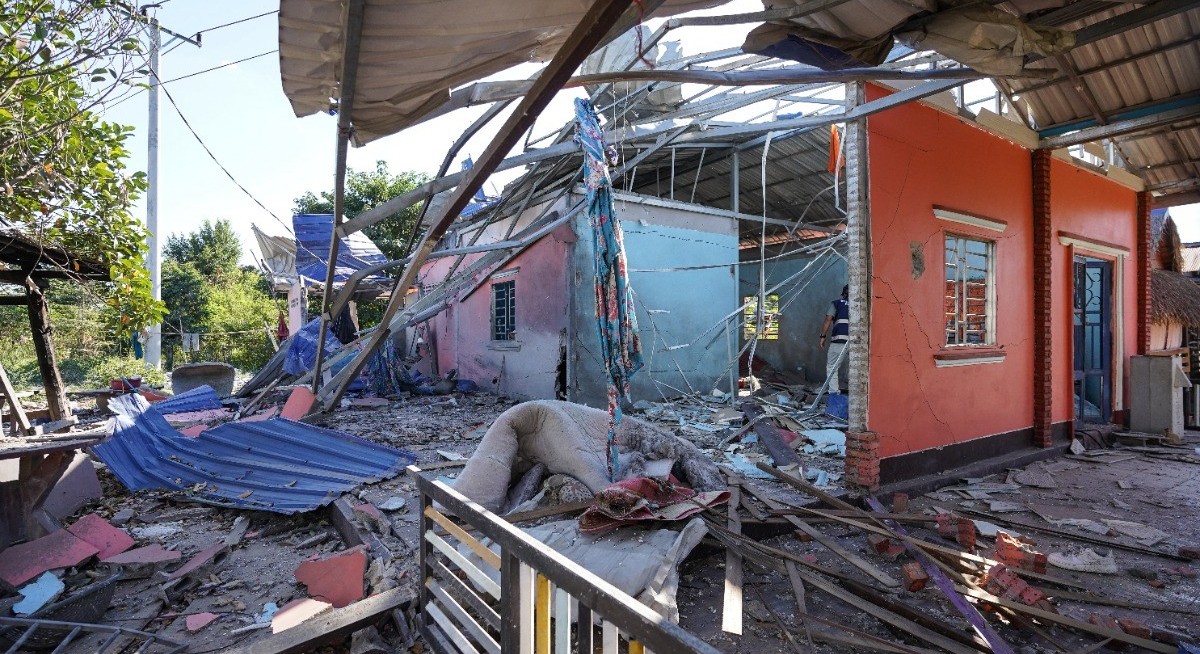
Clashes along the 800km border resumed earlier this month, including Thai airstrikes on Cambodian military targets. More than two dozen people have been killed, including 16 Thai soldiers and 12 Cambodian civilians, and over half a million people have fled the area because of the fighting.
China has engaged with both sides since the start of the violence, but has kept a much lower profile than the US as Beijing generally avoids publicly intervening in conflicts, beyond seeking to facilitate discussions.
See also: US tells American ships to keep away from Ïran amid tensions
The Trump administration has sought to highlight that China hasn’t played a role in the peace process. The White House didn’t immediately respond to a request for comment sent outside normal working hours.
Trump called both leaders last week to push again for a ceasefire, although the fighting has since continued.
Malaysia’s Prime Minister Datuk Seri Anwar Ibrahim, who chairs Asean this year, said on Wednesday that he’s been in contact with the leaders as well, and that both told him they want to resolve their border clashes as soon as possible.
See also: Tankers speed through Hormuz chokepoint on US-Iran tensions
Deng’s trip also comes as Cambodia’s use of Chinese weapons comes into focus, following reports that the Thai military seized a large number of Chinese-made weapons from Cambodian soldiers.
China’s Foreign Ministry spokesman Guo Jiakun didn’t confirm nor deny the news at a press briefing on Wednesday, but reiterated that Beijing has had “normal defence cooperation” with both countries and that such cooperation doesn’t target any third party.
Thailand, which is a treaty ally with the US, has far larger and more sophisticated armed forces than Cambodia. Its attacks on Cambodia have included the use of American F-16 fighter jets.
Uploaded by Tham Yek Lee




