


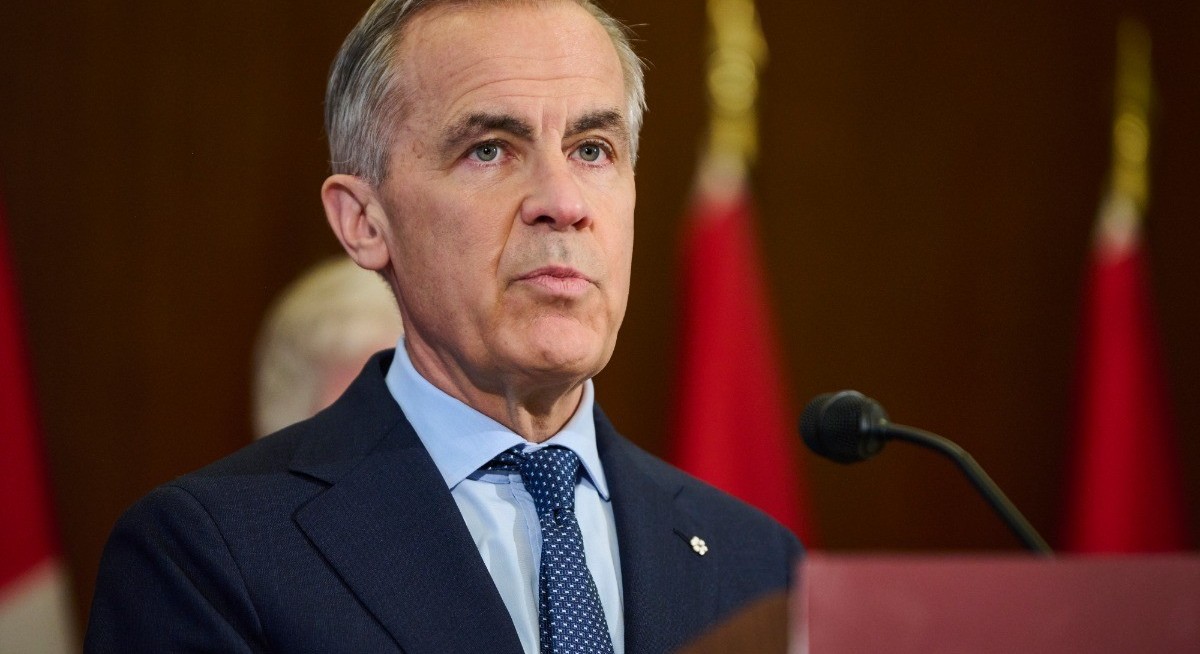


The new vehicle, named the Canada Strong Fund, will be set up as a professionally managed, independent corporation to “invest alongside the private sector in nation-building projects, on a fully commercial basis”, the prime minister said.
It will also include a mechanism for Canadians to make contributions and earn returns, Carney said, confirming earlier reports by Bloomberg News and other media outlets.
“Canadians want to get involved. They want to get involved in building the country,” he said. He suggested those investments will be structured in a way that limits the downside for individual investors, but allows them to participate in the upside.
Carney, 61, has made a priority of boosting Canada’s appeal to global capital. In November, his government set a target of pulling in C$500 billion of private investment over five years, and has said it will accelerate approvals and construction of projects such as ports, pipelines and other export infrastructure.
See also: Tech-focused French sovereign wealth fund Bpifrance preparing for ‘inevitable’ growth of crypto

“The devil will be very much in the details,” Derek Holt, head of capital markets economics at Bank of Nova Scotia, said in a report, speaking about the sovereign wealth fund. “In principle, I like anything that may lean toward policy emphasis upon saving and investment to motivate higher future productivity and living standards versus too many years of propping up here-today-gone-tomorrow spending.”
Business investment as a share of Canada’s economy sagged under previous Prime Minister Justin Trudeau, who rejected a proposal for a new oil export pipeline across northern British Columbia and implemented new environmental policies that slowed the development of fossil fuels.
See also: Norway’s US$1.9 trillion fund has best quarter since 2023
Carney has reversed some of those policies, saying the country has no choice but to invest heavily in expanding exports to non-US markets after the Trump administration imposed tariffs on steel, aluminium, autos, lumber and other goods. The US is by far Canada’s largest trading partner, and Canada is the largest foreign provider of oil to American refineries.
The Alberta government is now drafting plans for another oil export pipeline to ship one million barrels a day through BC, allowing larger shipments to Asia. The idea doesn’t yet have private-sector backing and it’s likely to cost tens of billions of dollars, based on the more than C$30 billion price tag of the Trans Mountain pipeline expansion that was completed in 2024.
Carney’s government also created a new Major Projects Office to try to help speed up approval processes and building. So far, 15 projects have been referred to the office, including several mines, liquefied natural gas facilities and a large electrical transmission project in BC.
Earlier this month, the government announced it will hold a global investment summit this year in partnership with Canada Pension Plan Investment Board and Public Sector Pension Investment Board, two public pension managers that handle more than C$1 trillion combined.
Uploaded by Chng Shear Lane




