




The measures, announced last year, aim to address concerns over market accessibility for global investors and mark the “first step toward the internationalisation of the won”, Kim Hee Jae, an official at the Ministry of Economy and Finance, said at a briefing.
Korea’s desire to become a developed market dates back to at least 2008, when the index compiler placed — and later removed — the country from its watch list. Still classified as an emerging market, an upgrade could enhance its standing as a regional power player and draw billions in passive inflows.
The nation has been slow to loosen control over trading of its currency, still scarred by the foreign capital flight of the 1997 Asian Financial Crisis — an experience it is working to move past.

See also: Loss in translation: The downside of a haven currency like Singapore's
The Finance Ministry will introduce an offshore won settlement system to ensure sufficient liquidity during the extended trading hours. Foreigners will be allowed to transact with each other through intermediaries, while the Bank of Korea will continue to process settlements.
Registered foreign institutions (RFIs) with high levels of market participation offering after-hours trading support will initially be eligible to act as such intermediaries, with the pool of participants gradually expanding in phases. This will allow foreign investors to trade and source the won freely — activities previously not permitted.
Kim added that if a global bank’s overseas branch is designated as a settlement institution, foreign investors without direct ties to South Korean financial firms could source the won and invest in local assets through that entity. To enable this, the Bank of Korea will build a new 24-hour settlement network and implement automated payment instructions and processing.
See also: Expect further declines in the US dollar: JP Morgan Private Bank
While booking entities must still meet registration and reporting obligations, trading and sales entities will see eased requirements in coming months. Newly registered RFIs will be allowed to start trading this month, with reporting requirements waived for the first three months.
The measures expand on those introduced in July 2024, when trading hours were extended to 2am, though volumes have remained largely steady. The government is now prioritising regulatory easing and liquidity-boosting measures during extended hours. The initiatives will start as a pilot in September, with full roll-out next year, outside of a few programmes.
Market watchers welcomed the plan, saying it underscores the government’s commitment to developed-market status and expanding the foreign exchange market amid growing interest in South Korean assets. The measures also “bring Korea much closer to a Group of 10-style currency framework”, said Ej Ethan Seo, the head of global markets at BNP Paribas SA in South Korea. “The market may move at its own pace, but the direction now seems clear.”
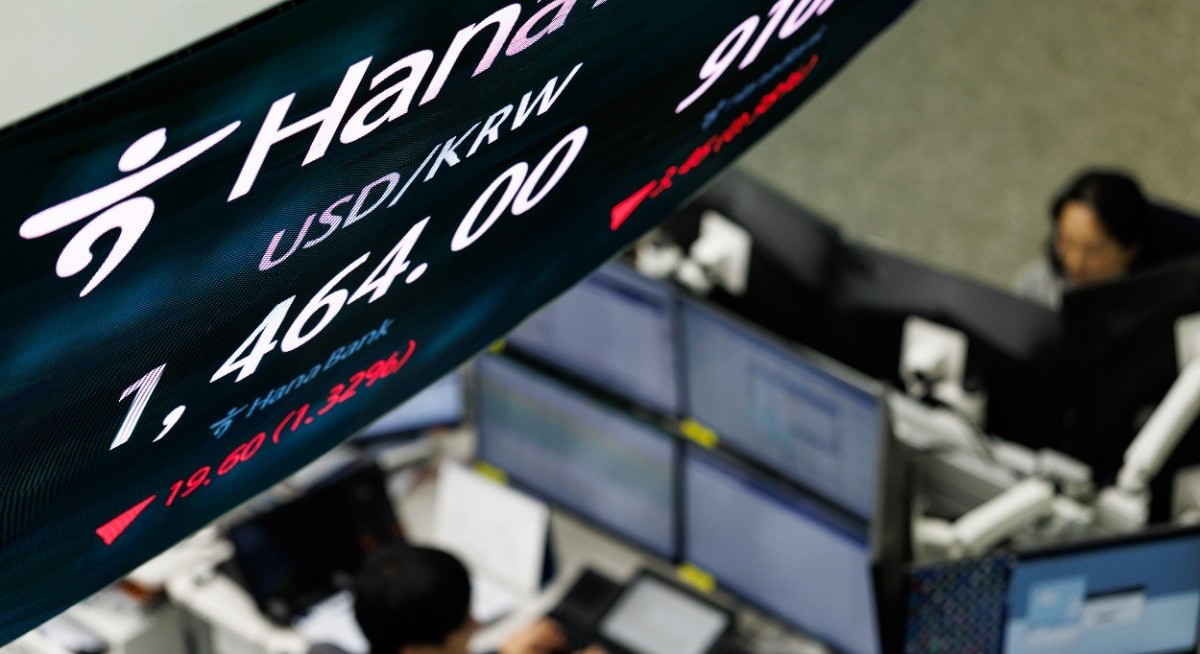
As part of the report, the government projected a brighter economic outlook, forecasting growth at 2% this year thanks to firmer domestic consumption and stronger exports. The won remained under pressure on Friday, putting it on track for the longest streak of declines since June 2024.
In addition, the government will also immediately roll out omnibus accounts for institutional investors, enabling better management of settlement accounts. Previously opened on a fund-by-fund basis, these accounts will now be handled by asset managers or global custodians, reducing paperwork and setup time.
“These steps are not a one-off and will be followed by additional measures under a won internationalisation road map due in the first half of the year,” Kim added.
Korea has long kept a restrictive foreign exchange market due to past currency crises, Kim said, noting the country now faces no major external risks and sees extended trading hours as feasible.
Uploaded by Tham Yek Lee




