


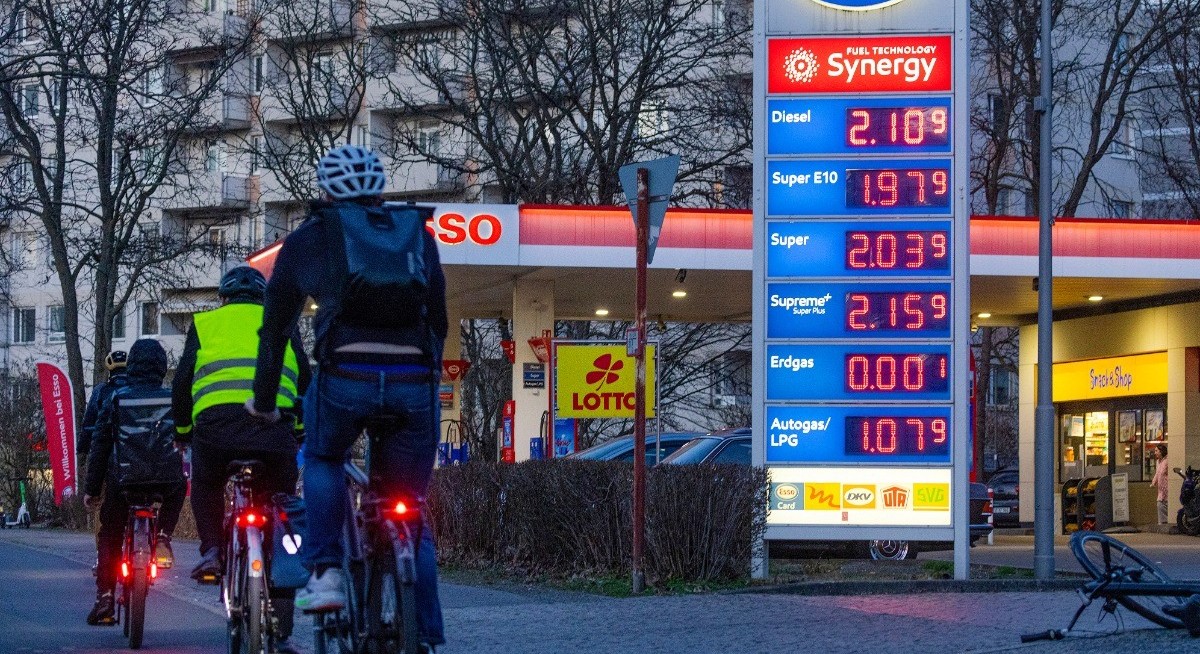


(April 29): The European Union temporarily relaxed its state-aid regime to give nations more scope to subsidise firms hit hardest by higher energy and raw material prices amid the conflict in Iran.
The move aims to ensure “growth of the most exposed companies is not irreparably hampered by the current crisis” and will be in place until the end of the year, the European Commission said on Wednesday.
“The recent spikes in energy prices require an immediate response,” Teresa Ribera, the EU’s competition commissioner, said in a statement.
Easing state-aid safeguards is a well-trodden path for the EU in times of crisis. The latest step follows similar revisions during the Covid-19 pandemic and at the start of the war in Ukraine.
A feature of Wednesday’s tweak is to allow governments to grant more financial aid based on actual consumption “to cover part of the price increases for fuel or fertilisers", the EU executive said.
The changes will allow governments to funnel more money into agriculture, fishery and transport sectors, as well as energy-intensive industries, the commission added.
See also: Lagarde sees euro-stablecoin risks for banking, monetary policy
The EU is under pressure to keep its industries competitive as the bloc tries to offset inflationary pressures and rising oil prices due to the hostilities in the Middle East and continued uncertainty over the Strait of Hormuz. No region in the world produces more oil and gas than the countries straddling the Persian Gulf, and most of it needs to travel by tanker via the Strait of Hormuz.
But some officials, including the EU’s Ribera, caution that too much national support for companies could disadvantage smaller and poorer countries with less fiscal capacity. Historically, Germany and France have accounted for a significant percentage of state-aid projects that were flagged to the EU’s executive arm.
High energy prices were already at the top of the bloc’s political agenda before the conflict in the Middle East flared up, jolting the world’s energy supplies. Since the start of the conflict, the bloc’s bill for fossil fuel imports has increased by over €22 billion, European Commission President Ursula von der Leyen said recently.
Uploaded by Arion Yeow




