


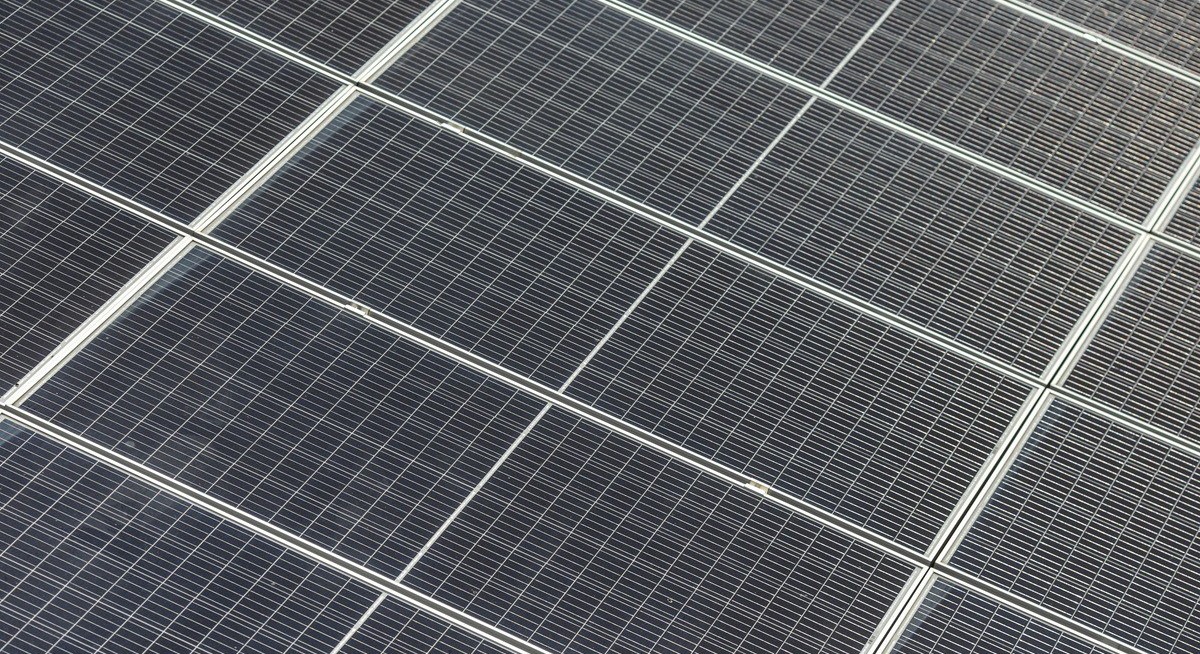


(June 25): The majority of India’s planned renewable energy infrastructure will be exposed to escalating climate hazards, putting about US$55 billion of physical assets at risk of damage by the end of this decade, according to a new study.
Some 239 gigawatts of proposed solar, wind and hydropower capacity across 10 Indian states — about 90% of the total — face high or critical vulnerabilities to compounding weather events like tornadoes, wildfires and extreme floods, Zurich Insurance Group AG said in an assessment published Thursday.
“It hits the balance sheet,” Mark Fletcher, head of Zurich Resilience Solutions for Asia Pacific, said in an interview. “If your solar panel is less efficient, you’re generating less revenue. If your wind farm is blown down and you have four or five turbines damaged, you have a business interruption on the revenue side, but you also have a direct cost to fix that.”
The findings underscore the scale of the challenge for India — the world’s third-largest carbon dioxide emitter — to transition its vast energy system, even as it makes rapid progress towards a target to raise the share of electricity generation capacity from non-fossil fuel sources to 60% by 2035. Adding ever greater volumes of solar panels or wind turbines won’t be sufficient if the physical hardware cannot survive extreme weather conditions.
Project developers are increasingly finding that an ability to prove they are responding to climate risks is a “condition of capital” to secure financing, Fletcher said.

See also: A rare ‘super’ El Niño is looking more likely. Here’s what to expect
“Capital is not infinite,” said Ajay Hegde, head of commercial insurance at Zurich Kotak General Insurance, a local unit of Zurich Insurance. “It will then definitely flow towards the ones which show a lot more resilience, versus those which don’t show the resilience.”
Vulnerabilities are most pronounced for solar projects, which accounted for nearly 70% of the 871 planned assets assessed in the report. And while developers routinely model the potential impacts of extreme wind, there’s less attention paid to the risks from hail, which poses a particular threat in prime solar corridors in Rajasthan and Gujarat.
Hail strikes don’t only threaten shattered panels, they can also induce microscopic fractures that silently degrade a solar plant’s output over time, eating into a project’s revenue. Meanwhile, in drier regions, prolonged droughts compound problems by caking dust onto modules, forcing operators to choose between diminished generation and costly, water-intensive cleaning cycles, Zurich said.
See also: Asset managers hit hurdle in efforts to avoid Europe’s ESG rules
Projected losses as a result of climate damage could be roughly halved to US$27 billion with early investment on resilience measures of about US$4.6 billion, according to the report.
Uploaded by Liza Shireen Koshy




