


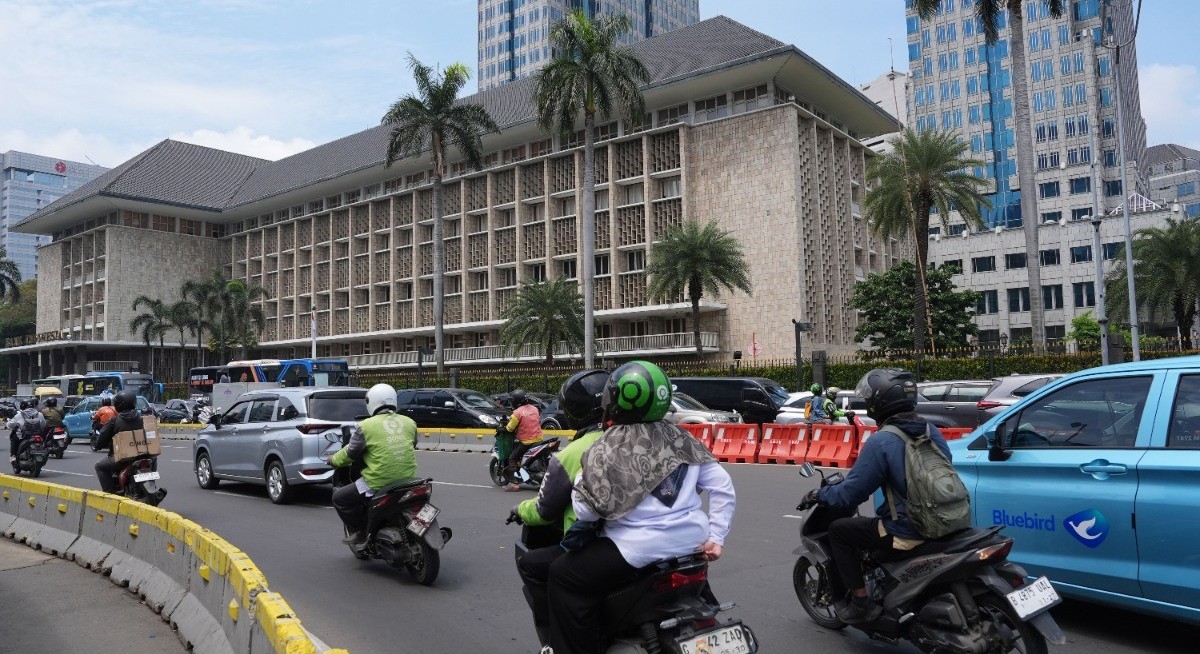


(June 3): Emerging-market central banks are leading a wave of interest-rate hikes as the war in Iran reignites inflation, moving faster than most developed-world peers, which remain on hold to assess the economic fallout.
Since fighting began in late February, at least 10 emerging- and frontier-market central banks have raised interest rates, with Indonesia, Rwanda, South Africa and Sri Lanka tightening policy in the past two weeks. Policymakers in the US, the Euro area, Japan and Canada did not raise rates but Norway and Australia were among the few developed economies to raise rates.
The hikes reflect “policymakers’ desire to keep hard-won credibility intact", said Lauren van Biljon, senior portfolio manager at Allspring Global Investments. Emerging-market central banks are drawing on lessons from the last global tightening cycle, when many moved ahead of their developed-market counterparts to tackle the post-Covid inflation shock and were more cautious about cutting rates as price pressures eased, she said.
The Iran war has disrupted shipping through the Strait of Hormuz, normally a critical artery for about a fifth of global seaborne oil and liquefied natural gas trade and around a third of fertiliser shipments. The supply shock has driven up the prices of those commodities and food, complicating the inflation outlook for central banks worldwide. Governments have responded by reversing course on monetary easing, capping energy prices and cutting fuel taxes.

Inflation has a significant impact on economic growth if not contained because output is so closely tied to consumer spending, according to Gina Schoeman, South Africa economist at Citigroup Inc. Currencies and bond yields are also highly sensitive to any deviation from inflation targeting, she said.
See also: Indonesian officials vow again to stabilise rupiah, draw funds
EM central banks are also tightening policy to support their currencies and stem capital outflows, with more expected to follow. The Reserve Bank of India has pledged to curtail speculation on its currency and is said to be weighing a possible rate hike this week, while the central bank of the Philippines has indicated it may consider a large, off-cycle increase before its next scheduled meeting on June 18.
The pressure to tighten is also building on developed markets.
Euro-area inflation topped 3% for the first time in more than 2 1/2 years, cementing expectations for an interest-rate hike when the European Central Bank meets next week.
Uploaded by Arion Yeow




