


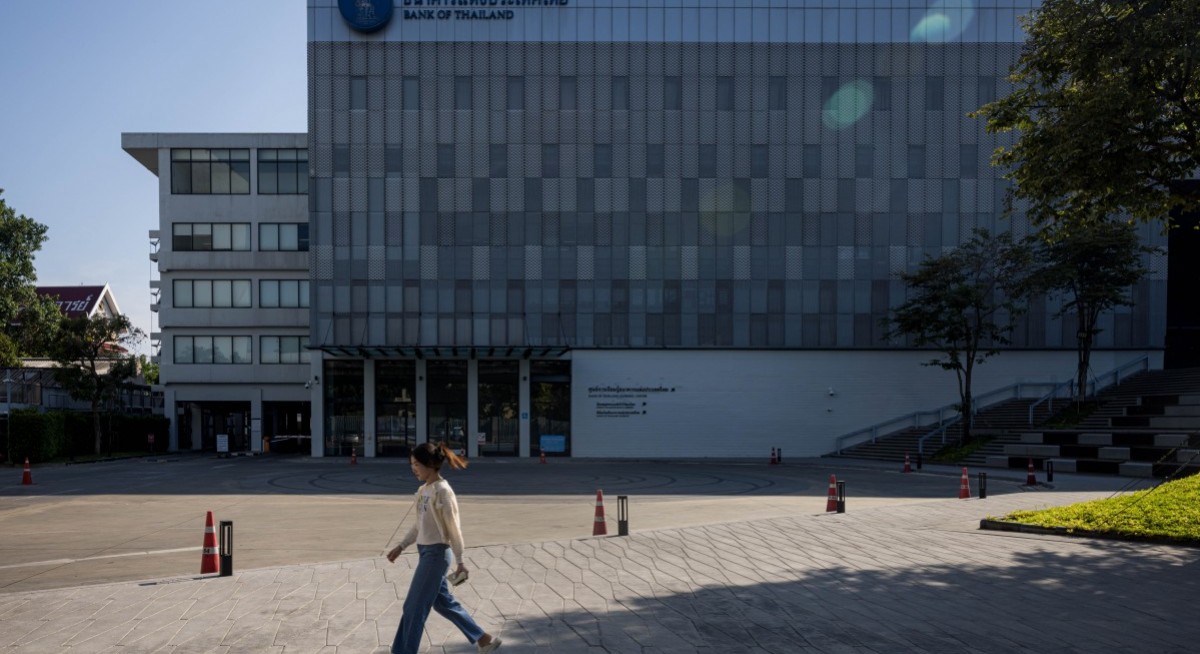


“Adjusting the policy interest rate alone is not sufficient to address localised financial tightening or underlying structural economic problems,” the BOT said in a presentation at its quarterly analysts' meeting. “The conduct of monetary policy must take a medium-term perspective.”
The comments on Wednesday from the BOT appear to tamp down expectations of further cuts at its next meeting, scheduled for Feb 25.
One factor weighing on decisions would be financial imbalances that build up from keeping rates low for a long time, the central bank said.
The Monetary Policy Committee last month voted unanimously to cut the one-day repurchase rate by 25 basis points to 1.25%, the fifth cut in 14 months. For the BOT to ease again, domestic economic conditions have to be worse than expected or deflation risks escalate further, officials have said.
See also: Singapore’s richest hold more wealth than bottom 80% combined
The central bank has downgraded Thailand’s growth outlook for this year to 1.5%, from 1.6%, as consumption and exports slow. It sees growth accelerating to 2.3% in 2027, when headline inflation is expected to return to BOT’s 1% to 3% target range after posting a string of negative prints in recent months.
Solving Thailand’s economic and financial problems requires a combination of policy tools across multiple dimensions, the central bank said. The Southeast Asian nation has been hit by a string of shocks — including the impact of US reciprocal tariffs, severe flooding in the southern provinces and deadly border clashes with Cambodia. A rally in the baht to a four-year high has weighed on its exports and tourism, two key drivers of the economy.
The growth outlook is also clouded by forecasts of a hung parliament after elections next month. Any delay in formation of a new government, could further hinder fiscal spending and delay the budget for the fiscal year starting Oct 1.
Uploaded by Evelyn Chan




