


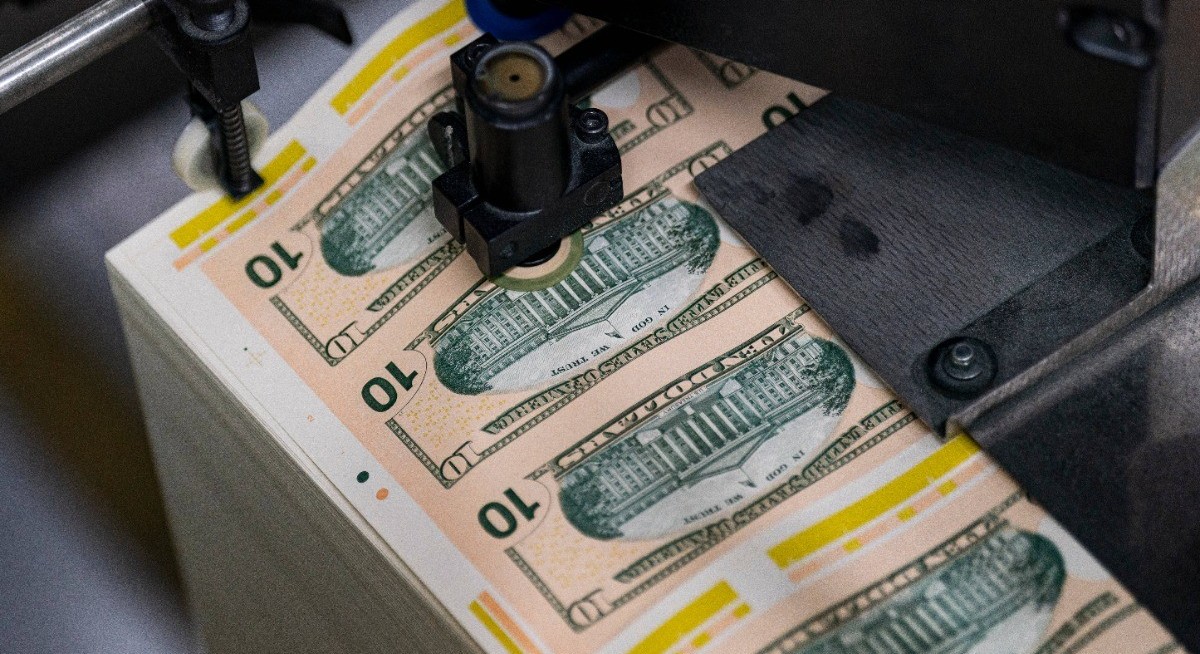


(April 8): The dollar fell against all its major peers after the US and Iran agreed to a two-week ceasefire, undermining demand for one of the conflict’s most prominent haven trades as oil prices dropped.
Bloomberg’s gauge of the greenback slid as much as 0.97% to a four-week low as the agreement drove down Treasury yields, further reducing support. The currency gave back more than half of its gains since the war started and weakened the most against risk-sensitive counterparts such as the South African rand and the Swedish krona, each of which gained roughly 2%.
“A 50% retracement looks a sensible and preliminary target for most currencies,” said Chris Turner, head of foreign exchange strategy at ING Bank NV. “That means high-beta commodity and emerging market currencies could witness a 2% recovery on the day (from recent lows) while the low-beta currencies could gain 0.5-1.0%.”
Iran said the ceasefire agreement meant it would guarantee safe passage for vessels through the Strait of Hormuz for two weeks, helping ensure a greater supply of oil and other commodities to global markets.

“The path of least resistance is a risk-positive one and favours the dollar down and risk assets up,” said Rodrigo Catril, a strategist at National Australia Bank Ltd in Sydney. “For markets, the ultimate test will be whether vessels can travel safely through the Strait and, in time as the data comes through, we can assess the inflationary impact from the conflict so far.”
See also: Malaysian importers used ceasefire window to buy dollar — Citigroup
The dollar had strengthened since the war began in late February, supported by its haven appeal and by the perception that the US economy is better insulated against a global energy shock because it is a net oil exporter.
China’s yuan climbed to a three-year high versus the dollar following the ceasefire news and after the People’s Bank of China strengthened the currency's daily fixing by the most in a month. The euro rallied by almost 1% to US$1.1709, its highest level in more than a month.

See also: RBI governor says forex market curbs won’t remain forever
Options markets also reflected the shift in sentiment, with traders rushing to unwind bullish dollar positions. While the greenback still retains a bullish bias in options, that skew has eased to its least bullish level in a month.
Uploaded by Arion Yeow




